Full Analysis Summary
Khamenei anniversary remarks
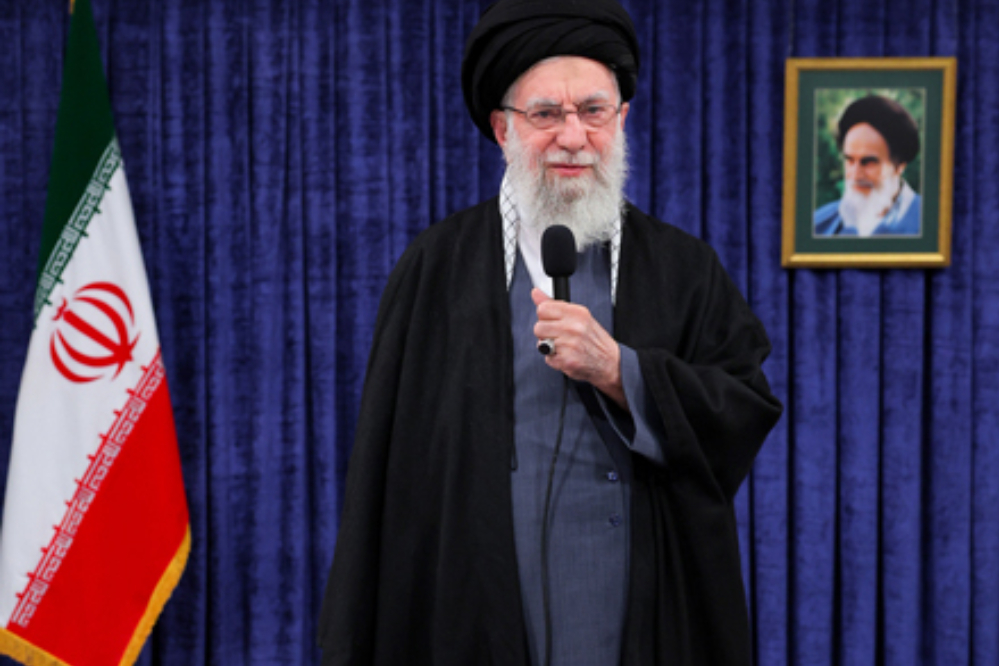
Ayatollah Ali Khamenei used remarks tied to Iran's Feb. 11 Islamic Revolution anniversary to urge Iranians to demonstrate resolve and unity.
He argued that national power rests more on a nation's will and steadfastness than on missiles or aircraft.
NoorNews (West Asian) quotes Khamenei saying that unity, determination, motivation and resistance to enemy temptations are the pillars of national strength and that the anniversary rallies embody those qualities.
It adds that he hoped this year's demonstrations would further amplify the nation's grandeur.
PressTV (West Asian) does not provide coverage of the speech in the available snippet and instead displays an unrelated technical how-to.
This highlights a lack of corroborating reporting in the supplied sources.
Coverage Differences
Missed information / Off‑topic coverage
نورنیوز (West Asian) provides direct quotes and a substantive summary of Khamenei’s speech about national will, unity and the Feb. 11 rallies, while PressTV (West Asian) in the provided snippet contains an unrelated ‘how‑to’ tech instruction and therefore omits the speech entirely. This is a coverage omission rather than a direct contradiction: one source reports the leader’s message, the other does not mention it.
Media framing of Khamenei
نورنیوز frames Khamenei's call around moral and societal renewal as much as geopolitical defiance.
It reports him urging Iranians to 'disappoint the enemy' through steadfastness and loyalty.
نورنیوز foregrounds his appeal to the youth to pursue scientific, ethical and pious goals, and both material and spiritual progress.
That framing emphasizes internal resilience and social development as expressions of power rather than military capacity.
In contrast, the only available PressTV snippet does not engage with this message at all.
This means the supplied coverage pool lacks an independent West Asian outlet offering a different line, such as one focused on security or economic policy, and there is no Western or alternative perspective among the provided snippets to compare tone or terminology.
Coverage Differences
Tone / Narrative emphasis
نورنیوز (West Asian) emphasizes moral, social and spiritual dimensions of national strength in Khamenei’s remarks—will, youth development and resistance to temptation—whereas PressTV (West Asian) provides no relevant narrative in the supplied excerpt. The result is an inability to contrast alternative framings (e.g., security‑first, economic consequences) because other source types are not present in the provided material.
Coverage of Feb. 11 rallies
نورنیوز links the Feb. 11 anniversary rallies to demonstrations of loyalty to the Islamic Republic.
It presents the rallies as both symbolic and practical expressions of national cohesion.
Khamenei is quoted as hoping these demonstrations will 'further amplify the nation's grandeur.'
This framing casts the rallies as domestic legitimizing events that also send an external message of frustrating the enemy.
The available PressTV content includes no parallel reporting or counter-narrative in the provided snippet.
Therefore, broader claims about how other outlets characterize the rallies—such as protesters' composition, turnout numbers, or international reaction—cannot be drawn from the supplied material.
Coverage Differences
Missed information / Limitation of sources
نورنیوز (West Asian) treats the rallies as evidence of unity and state legitimacy, using Khamenei’s words about amplifying national grandeur. PressTV (West Asian) does not report on the rallies in the provided snippet, so the supplied set lacks independent corroboration, data or alternative descriptions (e.g., turnout figures, foreign responses). This is a reporting gap rather than a contradiction between sources.
Assessment of provided reports
Based strictly on the provided material, the strongest available account is نورنیوز's West Asian reporting.
That report quotes Khamenei at length about willpower, unity and the role of the youth and situates the Feb. 11 rallies as demonstrations intended to 'disappoint the enemy'.
However, the only other supplied snippet (PressTV, West Asian) does not cover the speech and instead contains unrelated technical instructions.
Important perspectives and possible contradictions, for example reporting that would criticize or contextualize the rallies or Western/alternative framings, are absent from the dataset.
Therefore any comparative judgments beyond noting نورنیوز's framing versus PressTV's omission would be speculative, and I will not add such assumptions.
Coverage Differences
Source pool limitation / Missing perspectives
All available provided sources are West Asian and the only substantive report is نورنیوز (West Asian). PressTV (West Asian) is off‑topic in the provided excerpt. As a result, the analysis must note the absence of Western mainstream or Western alternative sources and cannot responsibly infer how those source types would cover the speech or rallies.