North Korea02 January, 20263 min read
Kim Jong-un Showcases Daughter at Kumsusan Mausoleum to Promote Her as Heir
This article is an automated aggregation of coverage from news outlets. Our editorials offer in-depth analysis curated by the NewsCord team.
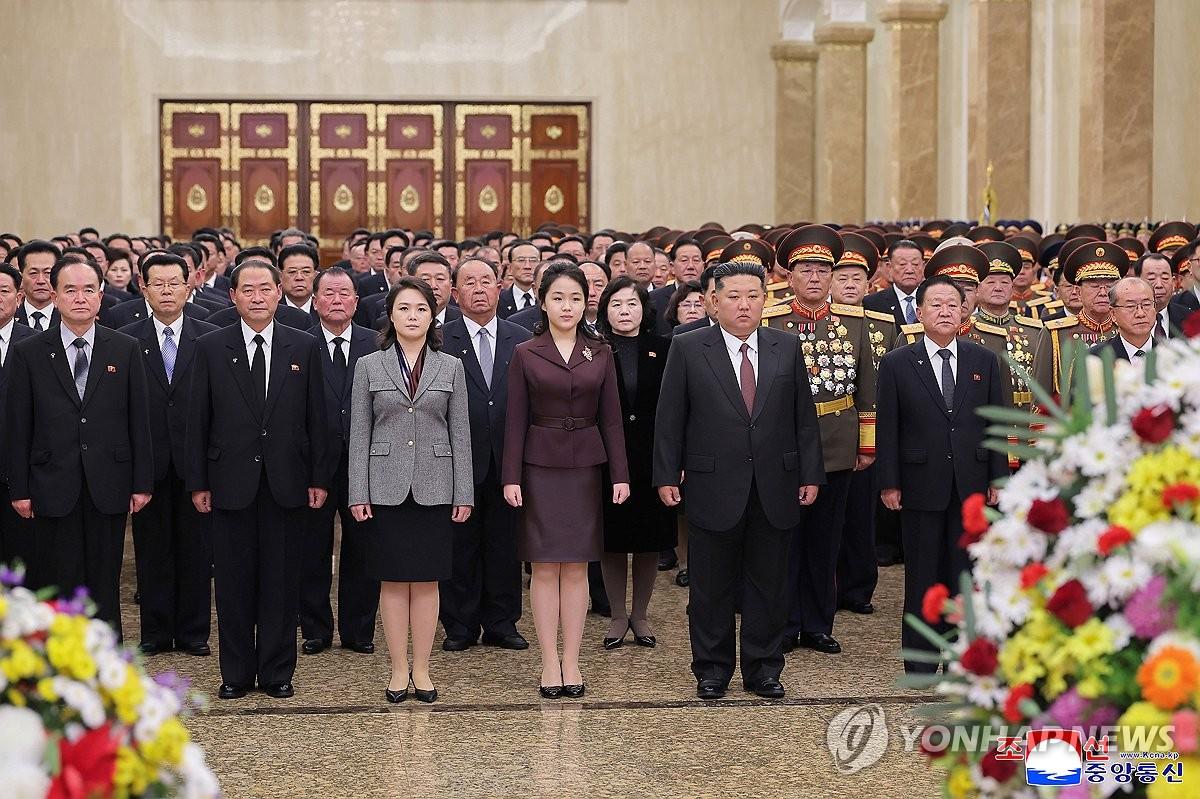
Kim Ju-ae, about 13 years old, appeared publicly at the Kumsusan Palace mausoleum. Visit took place on New Year's Day, ahead of an early-year ruling party congress.
5 outlets told this the same way.
Kim Jong Un's daughter showcased
On January 1, North Korean leader Kim Jong Un publicly presented his daughter Ju Ae at the Kumsusan Palace of the Sun. She appeared with her parents at the mausoleum that houses the embalmed bodies of Kim Il Sung and Kim Jong Il. State photos emphasized her placement, and analysts viewed this as symbolically significant and a strong signal of succession planning.
“Kim Jong Un’s daughter Ju Ae made her first public visit to the Kumsusan Palace of the Sun on January 1, appearing with her parents Kim Jong Un and Ri Sol Ju at the mausoleum that houses the embalmed bodies of Kim Il Sung and Kim Jong Il.”
Mathrubhumi English reported that Ju Ae made her first public visit to the Kumsusan Palace of the Sun on January 1, appearing with her parents. That report noted state media photos showed Ju Ae standing prominently between her parents and senior officials, a placement analysts view as deliberate and symbolically significant.

CBC documents that North Korea has increasingly showcased Kim Ju-ae, who first appeared in state media in November 2022. El País cautions that few verifiable facts exist about Ju-ae despite her increasing appearances beside North Korean leader Kim Jong Un.
North Korean media portrayal
State media's language and visual staging have drawn attention. Both Mathrubhumi and El País note Pyongyang's use of exalted honorifics and rare terms.
Mathrubhumi reports that North Korean media have applied exalted honorifics to her, including 'the beloved child' and 'hyangdo', language historically reserved for supreme leaders and designated heirs. El País documents that state media has called her Kim's 'beloved daughter' and used honorifics such as 'respected' and the rare term hyangdo ('leading guide'), and CBC highlights Ju Ae's prominent presence at events and public displays of affection with Kim Jong Un, noting that she even kissed him during New Year's celebrations.

Reports on Ju-ae succession
Sources cite intelligence agencies and analysts but place varying emphasis on their assessments. CBC reports that South Korea's National Intelligence Service told lawmakers it views her as Kim Jong-un's likely heir, says she has no major health problems, and expects a party congress in January or February to set new policy priorities and reshuffle officials.
“South Korea’s National Intelligence Service (NIS) has told lawmakers it views her as Kim Jong-un’s likely heir, says she has no major health problems, and expects an important party congress to be held in January or February to set new policy priorities and reshuffle officials.”
Mathrubhumi likewise states that observers and South Korean intelligence see Ju-ae as a potential fourth-generation successor being groomed for leadership. El País notes that Ju-ae's repeated presence prompted analysts to interpret her appearances as possible succession grooming, but it stresses the scarcity of verifiable details.
Debate over Ju Ae's role
Observers and outside experts are divided over whether Ju Ae’s public presence marks formal succession grooming, a staged dynastic signal, or cautious image-making without immediate operational consequence. CBC reports that outside experts are split: some view the appearances as an intentional effort to bolster dynastic succession, while others argue she is too young for a top post and may be limited to lower-level roles given Kim’s age and North Korea’s male-dominated power structure.
El País notes that the first published image of Ju Ae appeared in November 2022 and that details about family order stem from external analyses rather than official Pyongyang statements. Mathrubhumi highlights the strength of the latest symbolic appearance but underscores that Pyongyang has never formally announced succession.

Context for Ju Ae’s visibility
The public appearances are set against a backdrop of military signaling and diplomatic outings that further contextualize Ju Ae’s visibility. Mathrubhumi links the display to Kim's pledge to expand weapons production, saying the appearance came amid his vow to accelerate missile and artillery output framed as strengthening the country's "war deterrent".
“The appearance comes amid Kim Jong Un’s pledge to accelerate missile and artillery production, framed as strengthening the country’s 'war deterrent.'”
CBC catalogs her presence at military parades, missile launches and a Beijing visit, noting she has accompanied her father to these events and even kissed him during New Year’s celebrations. El País similarly records appearances at missile inspections, inaugurations and diplomatic outings and says analysts see these events as possible succession grooming.