North Korea26 February, 20262 min read
Kim Jong Un Vows to Expand North Korea’s Nuclear Arsenal
North Korean leader Kim Jong Un vowed to expand and strengthen the country's nuclear arsenal He said improved relations depend entirely on Washington abandoning hostile policies toward Pyongyang
12 outlets told this the same way.
Outlets did split on South Korea Plans To Train 500,000 Drone Warriors To Counter North Korea →
North Korea nuclear plans
At the close of the Workers' Party's Ninth Congress in Pyongyang, North Korean leader Kim Jong Un declared expanding the country's nuclear arsenal a central priority and outlined plans to increase both the number of warheads and their delivery systems. State media and reporting say the plan covers more advanced intercontinental missiles, submarine-launched systems, AI-based attack capabilities and unmanned drones.
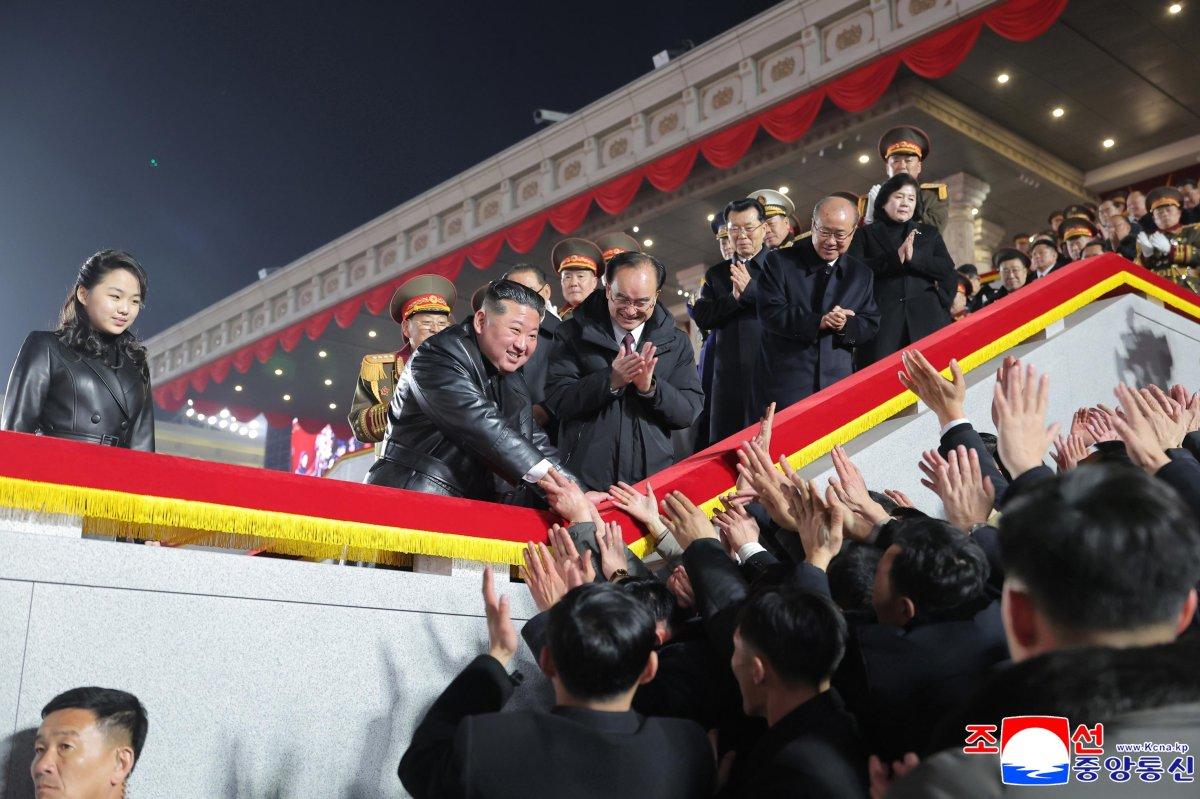
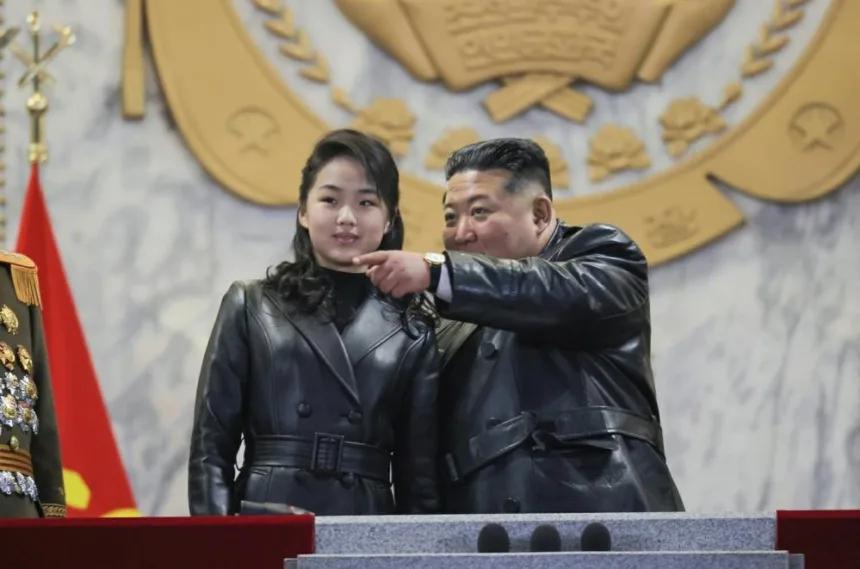
The announcements were capped by a large military parade in which North Korean leader Kim Jong Un appeared alongside his young daughter. Several outlets also note North Korean leader Kim Jong Un tied future relations with the United States to Washington's approach, leaving a conditional door for talks while insisting on recognition of Pyongyang's nuclear status.
Kim's conditions for talks
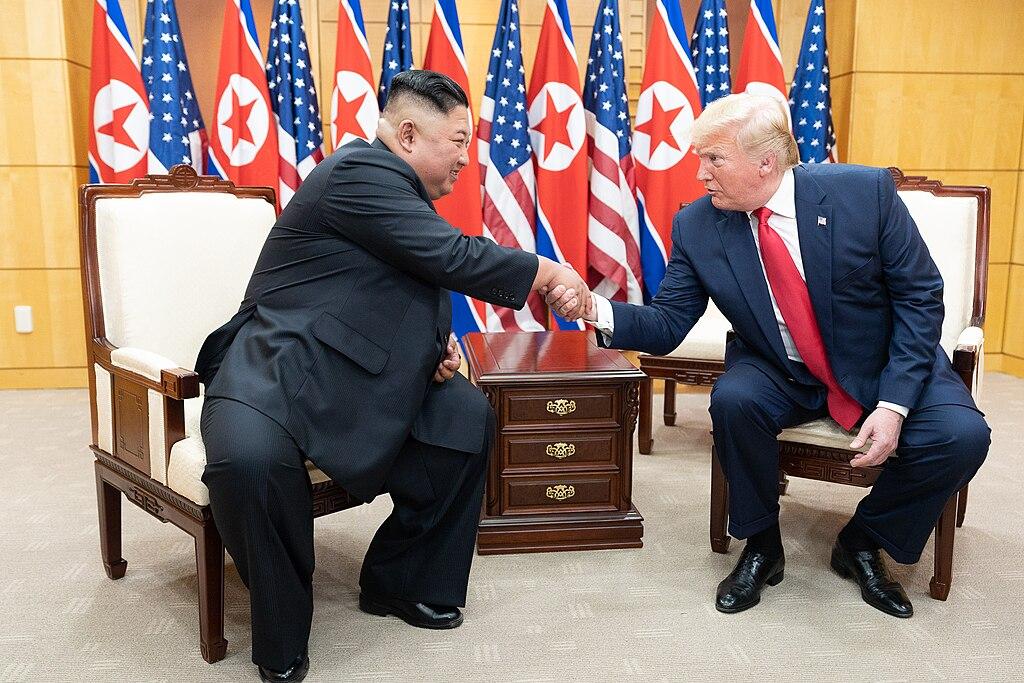
Kim conditioned any improvement in U.S.–North Korea ties on Washington abandoning what he calls a hostile policy and on recognition of Pyongyang’s nuclear status, according to multiple reports.
State media quoted Kim as saying the U.S. must "respect" North Korea’s present nuclear position and withdraw hostile policies before the two sides can "get along".
Some outlets mention Kim offered conditional talks with U.S. President Donald Trump, tied to Trump’s upcoming China visit.
At the same time, several sources stress Kim rebuffed reconciliation with Seoul and labelled South Korea a hostile actor.
Those sources say this narrowed the diplomatic opening to the United States while ruling out thawing ties with the South.
Parade, leadership, and arsenal
The weeklong congress closed with a nighttime military parade that, per some reports, deliberately kept certain heavy systems out of public view while showcasing troops and selective equipment. Multiple outlets noted the absence of visible tanks, ICBMs, hypersonic glide vehicles and transporter-erector-launchers in released images.
“Independent estimates put North Korea’s arsenal at about 50 warheads with enough fissile material to build up to ~40 more (Stockholm International Peace Research Institute).”
State media nonetheless highlighted improvements in deterrent capability, and state photos showed Kim with his daughter, feeding speculation she may be being groomed for a future role. Independent analysts cited across articles estimate North Korea’s stockpile at roughly 50 assembled warheads with fissile material for dozens more, while cautioning secrecy makes exact counts uncertain.
Kim's five-year military plan
Beyond numbers, Kim set out a five-year strategy to diversify and modernize operational systems, naming advanced ICBMs, sea-launched ballistic missiles, AI-enabled attack systems, unmanned drones and anti-satellite capabilities. Coverage stresses different rationales: some outlets frame the moves as deterrence or necessary modernization, while others interpret them as domestic political signaling or a bargaining posture aimed at extracting concessions from the United States. Several sources also point to a deepening of external ties, notably with Russia, and to the broader regional context of U.S.–South Korea drills and sanctions, which Pyongyang blames for continued tension.