Britain25 December, 20252 min read
King Charles III Urges Unity and Compassion in Christmas Message as Global Conflicts Rage
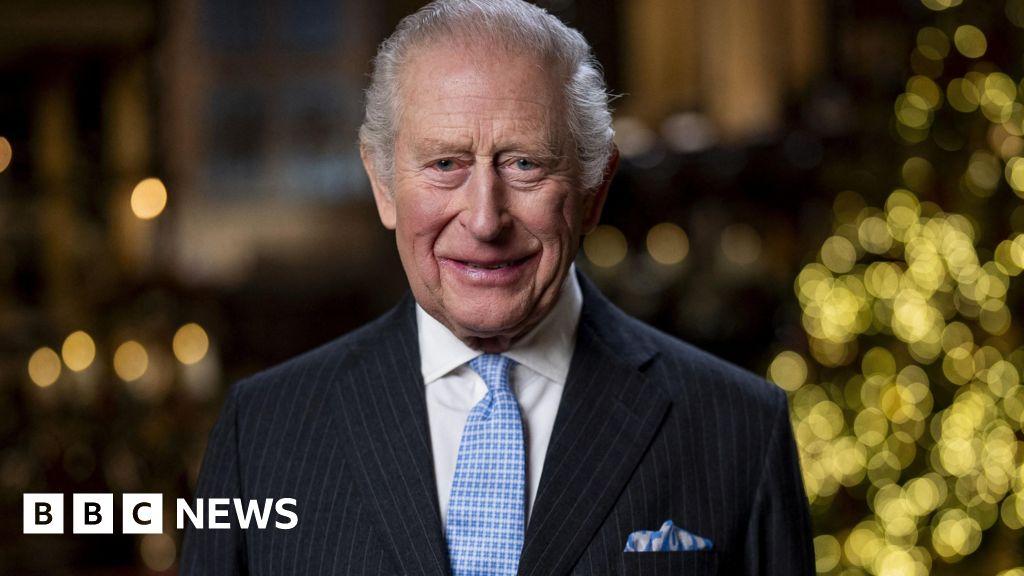
Delivered recorded Christmas message in Westminster Abbey's Lady Chapel, filmed on 11 December Urged unity and reconciliation, calling communities to pull together amid rising division and violence

10 outlets told this the same way.
Outlets did split on UK Police Charge Teddy Young With Spying For Foreign Power, Royal Navy Member →
Royal Christmas unity appeal
King Charles III used his annual Christmas broadcast to urge unity, compassion and community spirit as global conflicts and domestic tensions persist, framing his message as a call for ordinary people to bridge divisions and support one another. Multiple outlets reported the thrust of the speech. CNN said he urged unity and asked Britons to reflect on how communities can come together in times of challenge.
“King Charles delivered the annual monarch’s Christmas broadcast, urging unity and asking Britons to reflect on how communities can come together in times of challenge.”
AAP highlighted his plea to never lose sight of World War II values of courage, sacrifice and community spirit. The Daily Mail summarized his praise for examples of courage and selflessness—from veterans and aid workers to civilians who protect others—saying such stories give him hope and reinforcing the theme that everyday acts of bravery sustain society in hard times.

Broadcast setting and tradition
Several outlets noted the setting and tone choices that shaped the broadcast's intimacy and reflective quality.
SSBCrack News reports the King recorded the address at Westminster Abbey's medieval Lady Chapel, saying the choice of the abbey over a palace backdrop gave the message a more intimate, reflective tone and that he quoted T.S. Eliot's idea of finding the 'still point of the turning world.'

CNN and other mainstream outlets emphasized continuity with tradition, noting the broadcast continues a royal message tradition that began with George V in 1932, which situates the King's remarks in long-standing ceremonial practice.
King's wartime unity appeal
The King explicitly connected his appeal to historical examples of wartime unity. Outlets reported his references to the 80th anniversaries of VE and VJ Day and his admonition that fewer people now remember the end of World War II. He turned past examples of "courage, sacrifice and community spirit" into a moral touchstone for today.
“King Charles used his Christmas message to urge people to ‘never lose sight’ of World War II values—courage, sacrifice and community spirit.”
SSBCrack News said he linked resilience and togetherness to "this year's 80th anniversaries of VE and VJ Day." AAP News quoted him urging people to 'never lose sight' of those WWII values. CNN framed such references as part of the broadcast's historical continuity.
King praises civilian bravery
Several outlets reported that the King praised 'spontaneous bravery' by ordinary citizens during recent emergencies, citing specific incidents. SSBCrack News and aapnews.aap.au both used near-identical phrasing about 'spontaneous bravery' and named incidents.
SSBCrack listed the Bondi Beach incident and a synagogue attack in Manchester, while aapnews described the Bondi Beach shootings and the Manchester synagogue attack. The Daily Mail echoed praise for civilians who 'protect others' and said such stories give the King hope.
Coverage framing differences
The Daily Mail uniquely mentions the Songs for Ukraine Chorus performing 'Carol of the Bells' and suggests sources say the King has long supported the Ukrainian community. Other outlets focus more on unity, technology and historical memory without the musical or Ukraine detail. SSBCrack noted a warning about modern technology and recommended more meaningful personal engagement.
“The broadcast featured the Songs for Ukraine Chorus (founded 2023) performing ‘Carol of the Bells,’ based on a tune by Ukrainian composer Mykola Leontovych; sources say the King has long supported the Ukrainian community.”
CNN emphasized the speech's continuity in the royal tradition. These editorial choices alter what readers take away, producing either a message of broad civic unity and historical memory or additional cultural signposting toward Ukraine and concerns about digital life.
