Britain08 November, 20252 min read
King Charles Leads UK in Remembrance Ceremony Honoring War Dead
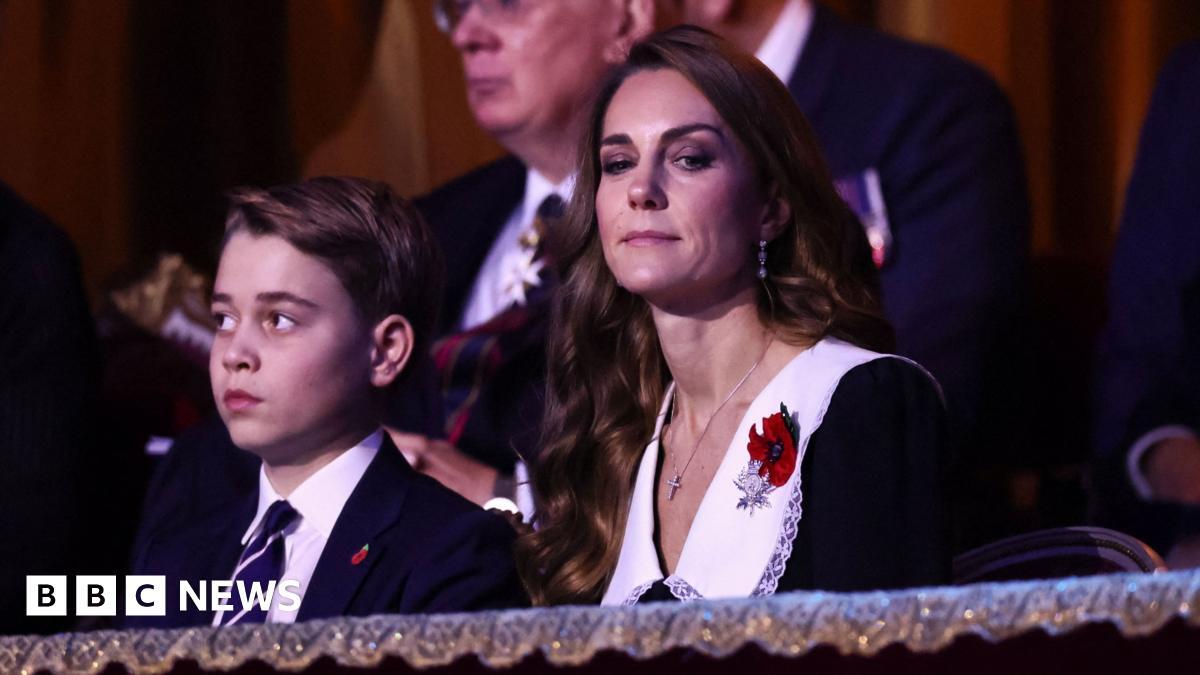
King Charles led the National Service of Remembrance at the Cenotaph, including a two-minute silence. Prince George attended the Festival of Remembrance for the first time alongside King Charles and Kate Middleton.
20 outlets told this the same way.
Outlets did split on UK Police Charge Teddy Young With Spying For Foreign Power, Royal Navy Member →
Remembrance Day 2023 Observance
King Charles III leads the nation in Remembrance, presiding over a two-minute silence at 11:00 GMT and laying a wreath at the Cenotaph in London. He is joined by senior royals and political leaders including Prime Minister Sir Keir Starmer. Around 10,000 veterans—and about 20 from World War II—take part in the Royal British Legion’s march-past.
“King Charles III will lead the nation in a two-minute silence at 11:00 GMT on Remembrance Sunday during the National Service of Remembrance at the Cenotaph in London.”
Services simultaneously unfold across the UK in cities such as Edinburgh, Belfast, and Cardiff. This year’s commemorations carry added resonance, coinciding with the 80th anniversary of the end of World War II. The event underscores a national moment of reflection led by the monarch at the heart of Whitehall.
Veterans' Remembrance March
The human stories behind the march stand out this year. One of the last surviving Chindits, 101-year-old Sid Machin, says he is marching with pride. Ninety-eight-year-old Eileen Marshall of the Women’s Royal Naval Service reflects on honoring her late husband and fallen sailors.
In Whitehall, the observance follows a two-minute silence at 11:00 am and a march at 11:25 am. Some outlets note a dwindling cohort of World War II veterans—about 20—amid the 10,000-strong procession.
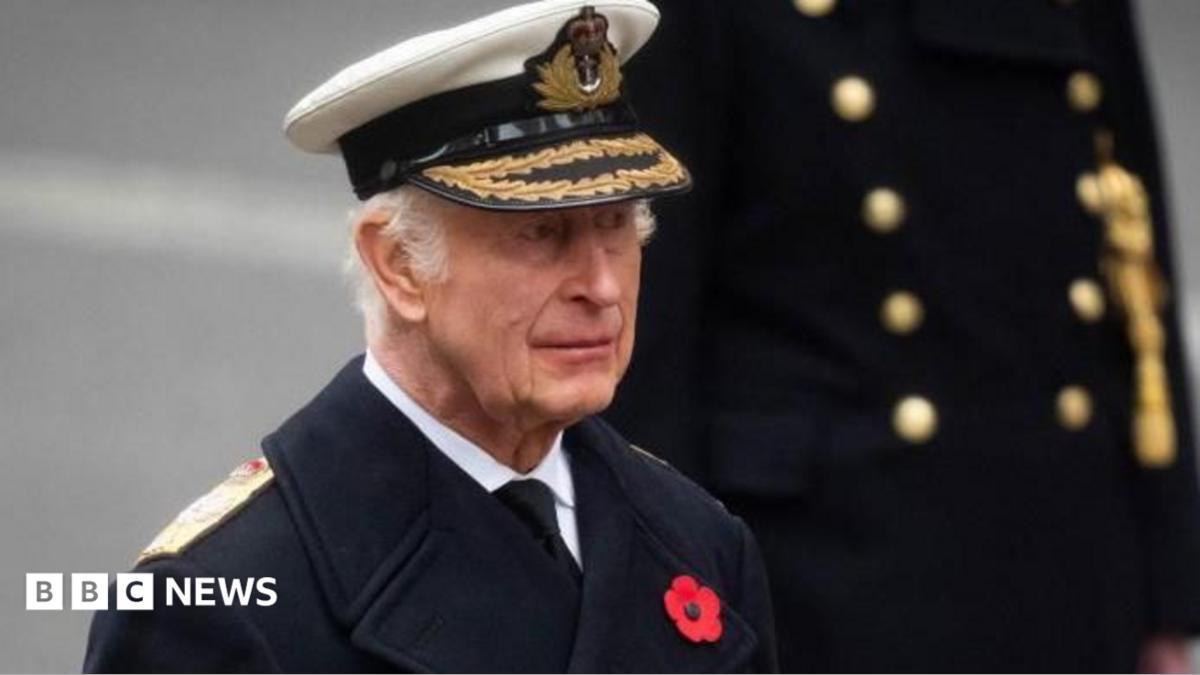
The personal vignettes from veterans like 101-year-old Donald Poole add depth to the national statistics. These stories connect individual sacrifice with the collective act of remembrance.
Festival of Remembrance Highlights
On the eve of the Cenotaph service, the Royal British Legion’s Festival of Remembrance at the Royal Albert Hall gathered senior royals and the public to honor service and sacrifice. King Charles and Queen Camilla led the tributes, with Prince George making his first appearance. The program marked the 80th anniversary of the end of World War II and the 25th anniversary of lifting the ban on openly serving LGBT personnel.
“At the Festival of Remembrance at the Royal Albert Hall, King Charles and Queen Camilla led the Royal Family in honoring the Armed Forces' service and sacrifice.”
The ceremony blended remembrance with performance and was hosted by Hannah Waddingham. Artists such as Sir Rod Stewart, Sam Ryder, and Keala Settle featured in the event. The Festival of Remembrance was broadcast on BBC One.
Remembrance Ceremony Participation
Political leaders join the Royal Family at the Cenotaph, with coverage stressing both symbolic and policy commitments. Sir Keir Starmer’s message of honoring courage across conflicts and supporting veterans is foregrounded alongside his attendance.
Services span the UK with devolved leaders participating. The presence of senior politicians and the regional breadth of ceremonies underline the state’s role in remembrance as well as the monarchy’s.
Royal Family and Remembrance Coverage
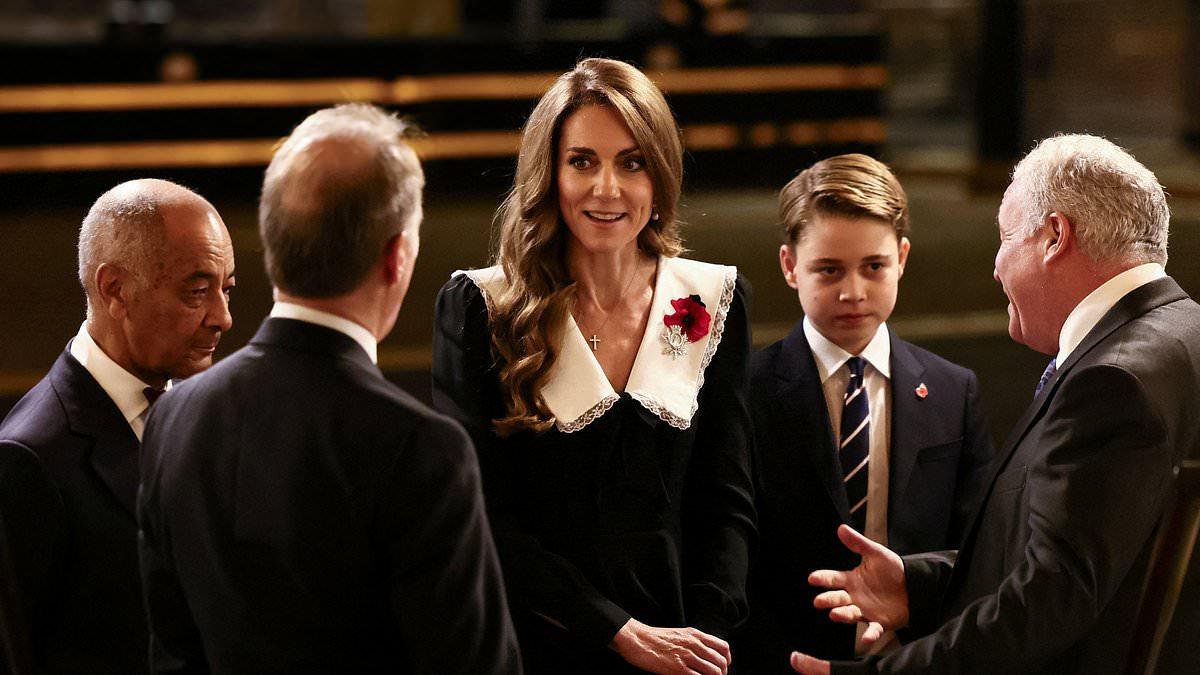
Some outlets situate the Cenotaph ceremony within a broader royal backdrop, highlighting family unity, absences, and controversies. Other outlets keep a tight focus on the act of commemoration itself. Tabloids emphasize Prince Andrew’s fallout and the family’s public stance of unity during Remembrance.
“The royal family demonstrated unity during recent Remembrance events despite internal challenges, notably the fallout from Prince Andrew’s scandal.”
Mainstream and other media spotlight Prince George’s debut and Kate’s rare appearance amid remission. They also note the practical reality of senior royals’ differing commitments.

Separate reports cover wider royal updates, including Queen Camilla’s historic appointment and Prince William’s travel focused on COP. These elements frame the remembrance moment within the context of evolving royal roles.