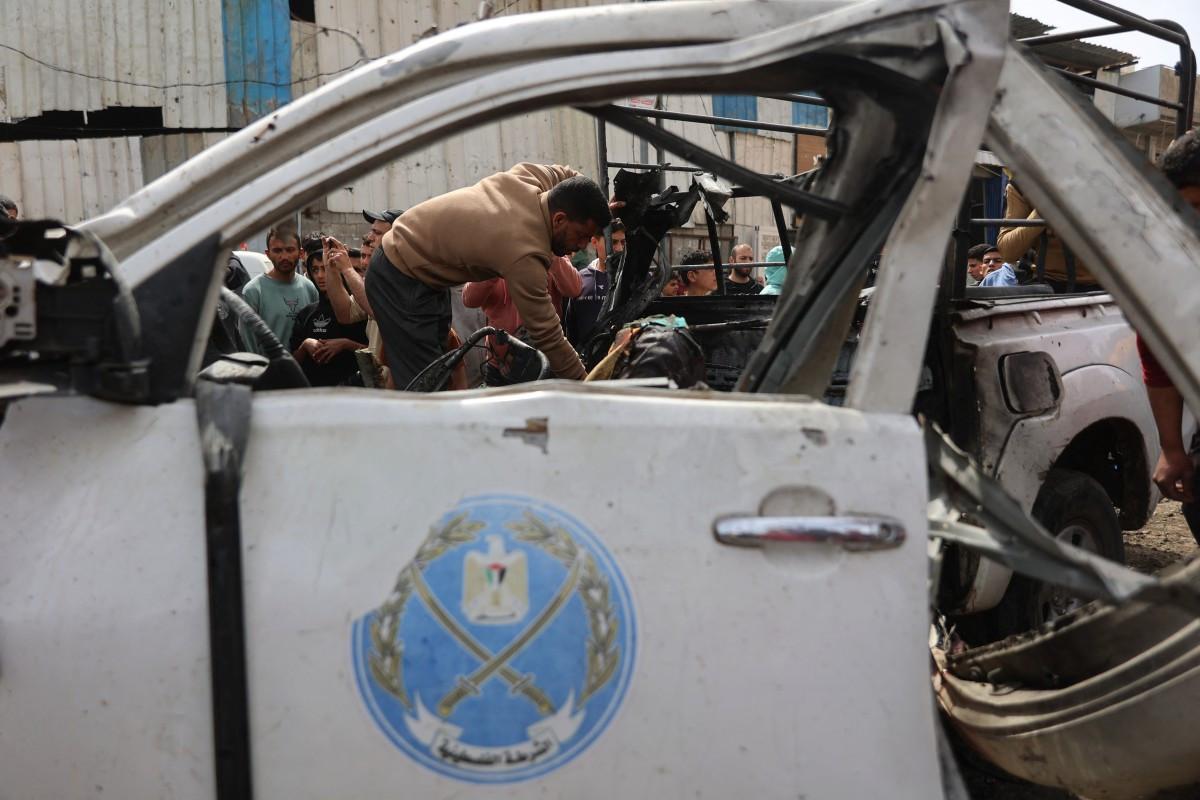
Kosovo and Bosnia Plan Gaza Stability Force Under U.S. Supervision
Key Takeaways
- Kosovo and Bosnia plan to send troops to Gaza as an international force.
- Kosovo Parliament unanimously approved legislation authorizing deployment.
- Gaza operation framed as international peacekeeping to establish stability.
Kosovo, Bosnia eye Gaza
Kosovo and Bosnia announced they intend to participate in a proposed international “Stability Force” in Gaza, under the supervision of the “Peace Council” established by U.S. President Donald Trump.
“Kosovo and Bosnia announced yesterday (Friday) their intention to send soldiers to Gaza as part of an international force to be formed to establish stability in the Gaza Strip, under the supervision of the 'Peace Council' established by U”
Kosovo authorities said their decision received approval of the parliament, which “unanimously voted on legislation authorizing the deployment of Kosovo security forces personnel into an international force to restore stability led by the United States, should it be formed.”

The legislation does not specify the number of personnel that can be sent, but “According to media reports, the government plans to send 22 personnel.”
In Bosnia, Defense Minister Zukan Helez discussed the matter during a meeting in Washington with the U.S. State Department’s official for political-military affairs, Stanley Brown, and Helez said in a statement that “we expect more than 60 personnel from the Armed Forces of Bosnia and Herzegovina to participate.”
The Jakarta Post similarly reported that Kosovo intends to send “22 members of the security forces,” while Bosnia said “more than 60 Bosnian soldiers are expected to join the peacekeeping force.”
Both outlets tied the deployment to the ceasefire framework, describing the planned International Stabilization Force (ISF) as part of a ceasefire agreement that halted “two years of war.”
Peace Council, troop numbers
The proposed force is linked to the “Peace Council,” which met for the first time in Washington in February to discuss ways to finance the initiative and send foreign military personnel to the Gaza Strip.
Al-Jazeera Net said the Peace Council was “created mainly to help rebuild Gaza,” and that countries pledged to participate at that time included “Indonesia, Morocco, Kazakhstan, Kosovo, and Albania.”
It also described the potential scale of the mission as “up to about 20,000 troops, including 8,000 Indonesians.”
The Jakarta Post likewise said the planned International Stabilization Force (ISF) “could include up to 20,000 soldiers,” and that “Indonesia so far pledging 8,000 troops,” with the force “under US command.”
L’Orient-Le Jour added that the formation of the ISF was “on the agenda of the inaugural meeting of the ‘Peace Council’ that was held Thursday in Washington,” and it stated that the force “could number up to 20,000 soldiers, including 8,000 Indonesians.”
L’Orient-Le Jour also reported that U.S. General Jasper Jeffers “was named commander of this force,” and that he announced on Thursday that “five countries had already pledged to provide troops,” citing “Indonesia, Morocco, Kazakhstan, Kosovo and Albania.”
Hamas sets conditions
Hamas signaled openness to foreign forces in Gaza while insisting on limits, with L’Orient-Le Jour quoting spokesman Hazem Qassem as saying the movement is “open to the presence of foreign forces in the Gaza Strip but without interference 'in the internal affairs' of the territory.”
“Kosovo intends to send 22 members of the security forces, while Bosnia said more than 60 Bosnian soldiers are expected to join the peacekeeping force”
Qassem told AFP that “we want peacekeeping forces that monitor the ceasefire, ensure its implementation, and act as a buffer between the occupying army (Israel, editor's note) and our people in the Gaza Strip, with no interference in internal affairs,” framing the role as monitoring and buffering rather than governance.
The same report described the American plan of U.S. President Donald Trump to end the war between Israel and Hamas as envisioning deployment of the International Stabilization Force (ISF) in Gaza, with the formation agenda tied to the Peace Council meeting in Washington.
L’Orient-Le Jour also reported that during that meeting, the “new High Representative for Gaza, the Bulgarian diplomat Nikolai Mladenov,” announced the start of recruitment for a new Palestinian police force in Gaza, noting that “2,000 people had already volunteered.”
It added that “Two countries, Egypt and Jordan, pledged to form policemen,” and Qassem said training the Palestinian police forces “does not pose a problem if it aims to maintain internal security in the Gaza Strip and to confront the chaos that the occupation and its militias seek to establish.”
Al-Jazeera Net, meanwhile, described the ceasefire environment as contested, stating that “Last Tuesday, the Gaza government's information office announced that Israel committed 2,400 breaches of the ceasefire,” including “killings, arrests, siege, and starvation.”
Ceasefire breaches and casualties
The sources describe a continuing toll after the ceasefire took effect, alongside claims of violations.
Al-Jazeera Net said the implementation of the American peace plan “remains in the virtual realm,” citing “ongoing Israeli violations of the ceasefire that took effect on October 10, 2025.”
It reported that “Last Tuesday, the Gaza government's information office announced that Israel committed 2,400 breaches of the ceasefire, including killings, arrests, siege, and starvation,” and said the violations “have resulted in 765 Palestinians killed and 2,140 others injured, according to the Ministry of Health.”
Al-Jazeera Net also stated that the agreement was reached after “two years of genocidal war started by Israel in Gaza on October 8, 2023,” with “American support,” and that the war left “more than 72,000 dead and over 172,000 injured Palestinians,” with “widespread destruction affecting 90% of the infrastructure.”
The Jakarta Post similarly referenced the ceasefire and the war timeline, saying the ceasefire followed “more than two years of war triggered by Hamas's Oct. 7, 2023, cross-border attack on Israel,” and that “At least 766 Palestinians have been killed since the October 10 ceasefire was announced, according to the Gaza Health Ministry.”
It also stated that the Gaza Health Ministry is “under Hamas authority and whose figures are considered reliable by the UN.”
Negotiations and future force
While Kosovo and Bosnia move toward possible participation, the sources portray the ISF’s future as dependent on negotiations and on how both sides handle ceasefire demands.
“Latest News - Ceasefire Gaza: Hamas open to the presence of foreign forces, without interference, according to the spokesman AFP / February 20, 2026 at 7:09 p”
The Jakarta Post said “The future of Trump's plan remains unclear,” adding that “Israel and Hamas maintaining contradictory demands in ongoing negotiations amid accusations of ceasefire breaches on both sides.”
It also described Kosovo’s rationale for joining, quoting Prime Minister Albin Kurti saying his country was willing to take part because of “the role international forces, particularly NATO peacekeepers, played in his country after its 1998-1999 war of independence with Serbia.”
Al-Jazeera Net described the Peace Council’s first meeting in Washington in February and said the mission “could number up to about 20,000 troops,” but also emphasized that “the implementation of this phase of the American peace plan remains in the virtual realm.”
L’Orient-Le Jour framed Hamas’s position as a condition for foreign forces to operate, with Hazem Qassem saying the desired peacekeeping forces should “monitor the ceasefire” and “act as a buffer” while maintaining “no interference in internal affairs.”
In parallel, L’Orient-Le Jour reported that Nikolai Mladenov announced recruitment for a new Palestinian police force with “2,000 people had already volunteered,” and that “Egypt and Jordan” pledged to form policemen, linking the stabilization concept to internal security arrangements.
More on Gaza Genocide
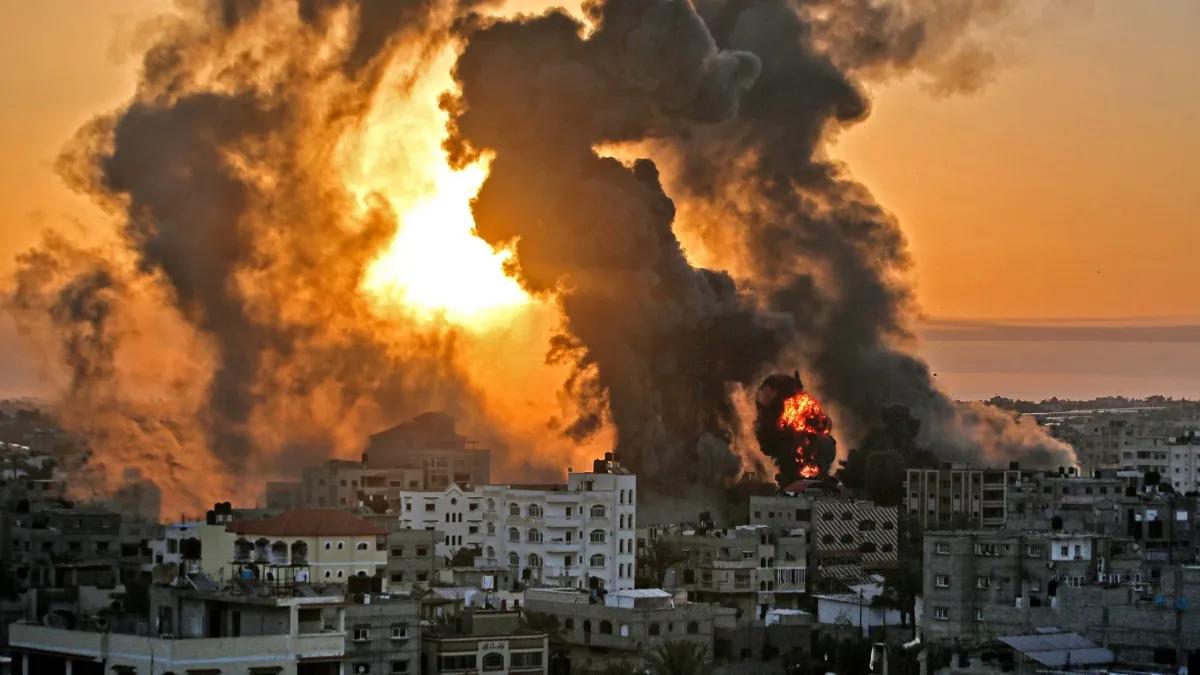
Israeli Attacks Push Gaza Death Toll to 72,551, Injuries Reach 172,274
10 sources compared

EU Foreign Ministers Postpone Sanctions Against Israel Over Gaza and West Bank
11 sources compared
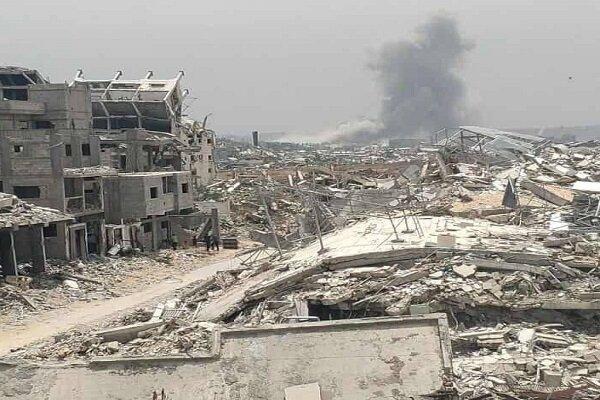
UNICEF Outraged After Israeli Forces Kill Two Water Truck Drivers in Northern Gaza
19 sources compared
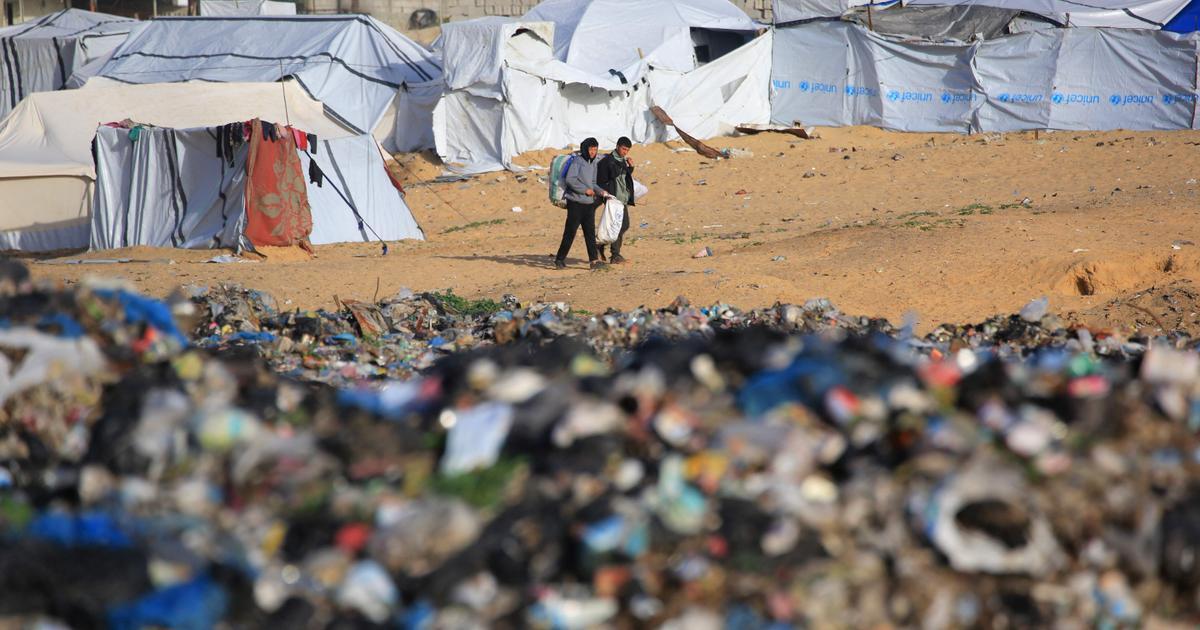
Trump’s Gaza Peace Council Talks Paused After US-Iran War Breaks Out
10 sources compared