Kremlin Dismisses European Accusation That Russia Poisoned Navalny

Kremlin Dismisses European Accusation That Russia Poisoned Navalny

16 February, 202614 sources compared
Russia

Key Points from 14 News Sources

  1. 1

    The Kremlin rejected accusations from five European countries that Russia poisoned Alexei Navalny.

  2. 2

    Five European countries assessed Navalny died from poisoning by toxin found in poison dart frogs.
  3. 3

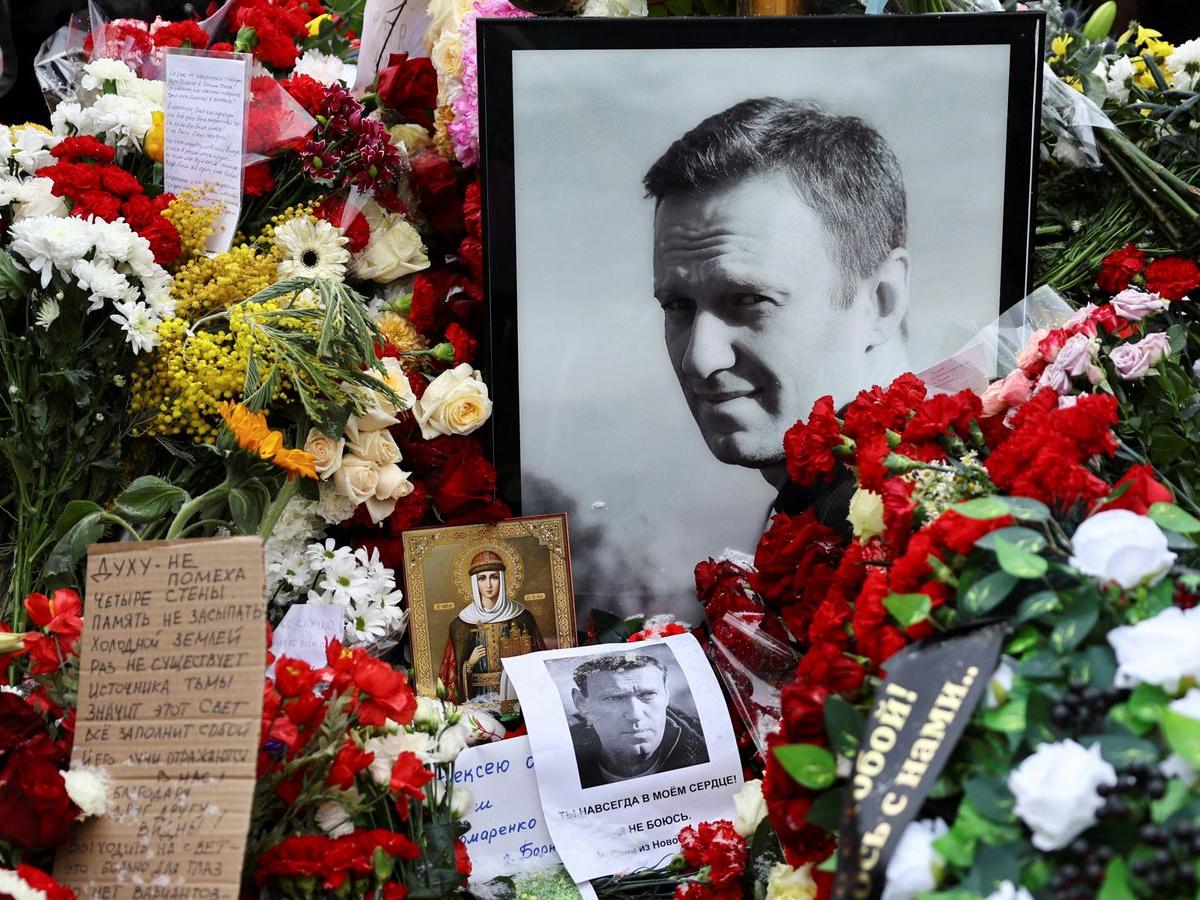
    Kremlin spokesman Dmitry Peskov called the European assessment 'biased and baseless'.

Full Analysis Summary

Navalny poisoning findings

Five European governments — Britain, France, Germany, Sweden and the Netherlands — publicly announced laboratory analyses they say identified epibatidine, a potent neurotoxin associated with South American poison‑dart frogs, in samples taken from Alexei Navalny’s body and described the finding as decisive.

The governments told reporters the toxin was "not naturally occurring in Russia" and that the tests "conclusively" found epibatidine.

One report said the presence of the toxin was "highly likely" to have caused Navalny’s death in February 2024 while he was held in an Arctic penal colony.

News outlets also reported that Britain has taken the step of filing a report with the Organisation for the Prohibition of Chemical Weapons.
Coverage Differences

Tone

Western mainstream outlets present the laboratory finding as decisive and emphasize diplomatic/legal steps (e.g., OPCW report). In contrast, other outlets emphasize Russia’s denial and frame the European announcement as an allegation Russia rejects. For example, Newsweek (Western Mainstream) reports the finding as “highly likely” to have caused death and notes the UK filing an OPCW report, while marketscreener (Western Mainstream) and BusinessLine (Other) both report the Kremlin’s immediate rejection. These are different emphases on the same laboratory claim versus political/diplomatic fallout.

Narrative Framing

Some sources foreground the scientific claim (epibatidine detection) and legal/diplomatic responses (OPCW), while others foreground the Kremlin’s rejection and prior Russian statements about cause of death. This changes whether the story reads primarily as forensic evidence or as a political confrontation.

Kremlin response summary

The Kremlin's immediate response, as reported across multiple outlets, was categorical rejection.

Kremlin spokesman Dmitry Peskov described the European allegations in varying terms, calling them "not based on anything," "biased and unfounded," or "biased and baseless."

Russian state accounts reiterated earlier claims that Navalny died of natural causes and that references to his anti-corruption movement are subject to restrictions at home.

Russian outlets and Reuters-based reports stressed that the Russian government "strongly reject[s]" the charges and said they were false.
Coverage Differences

Contradiction

European governments assert lab results showing epibatidine, while Kremlin spokespeople call those same claims false or baseless. The sources attribute the rejection to Dmitry Peskov using different wording: marketscreener quotes Peskov calling the claims "not based on anything," BusinessLine reports "biased and unfounded," and The Moscow Times quotes him as saying the accusations were “biased and baseless.” Each source reports Kremlin denial but with slightly different verbatim phrasing.

Missed Information

Some outlets note Russia’s prior official stance that Navalny died of natural causes and the criminalization of his organization; others omit those background details, which affects how strongly the Kremlin’s denial reads in context.

Navalny death coverage

Reporting across outlets reiterated basic facts about Navalny’s death and his prominence as a critic of President Vladimir Putin.

Navalny died on Feb. 16, 2024 at age 47 while serving a lengthy sentence in a high-security Arctic penal colony.

He had previously survived a suspected Novichok poisoning in 2020.

Some outlets placed the death in the context of Putin’s contested re-election and noted U.S. and other foreign figures weighing in.

The Moscow Times cited U.S. Senator Marco Rubio saying he had "no reason to question" the European assessment, and noted past U.S. intelligence reports that assessed Putin "probably" did not personally order the death.

Coverage Differences

Context

Different sources add different background details: Newsweek emphasizes the 2020 presumed Novichok attack and the UK’s OPCW filing (Western Mainstream), while The Moscow Times (Western Alternative) highlights divergent U.S. reactions and previously reported U.S. intelligence assessments about whether Putin personally ordered the killing. These choices shape whether the story is presented mainly as continuity of a pattern of poisonings or as an open intelligence/political question.

Reactions to Navalny's death

Family members, supporters and some diplomats reacted strongly.

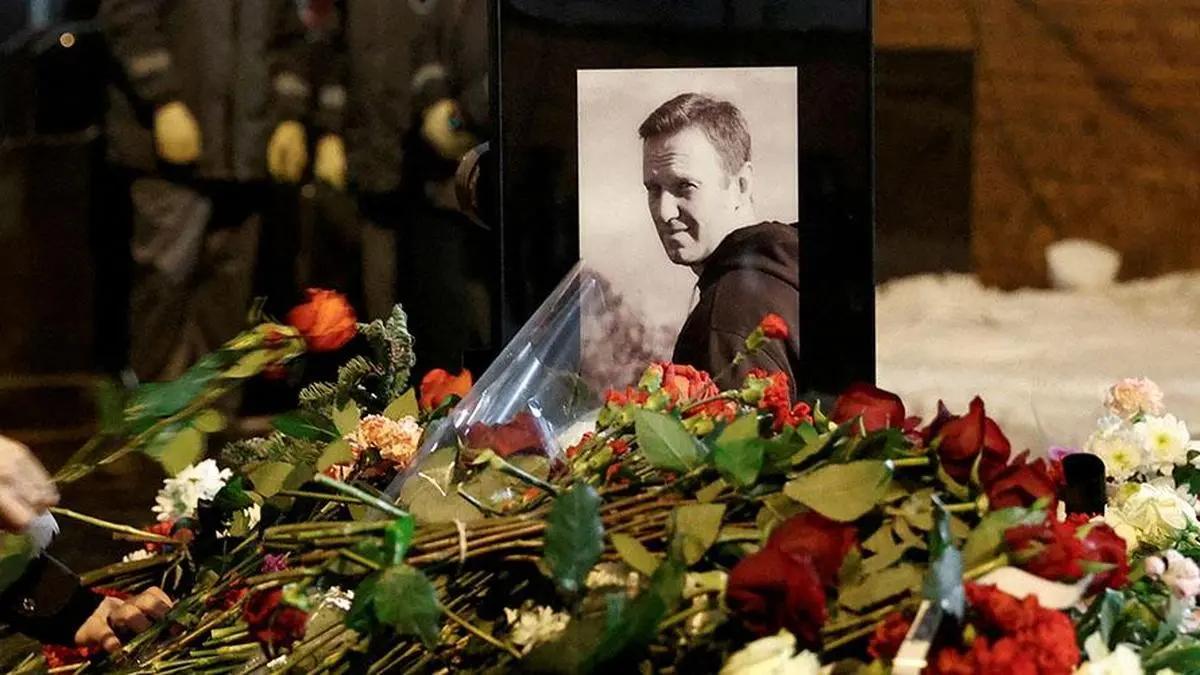
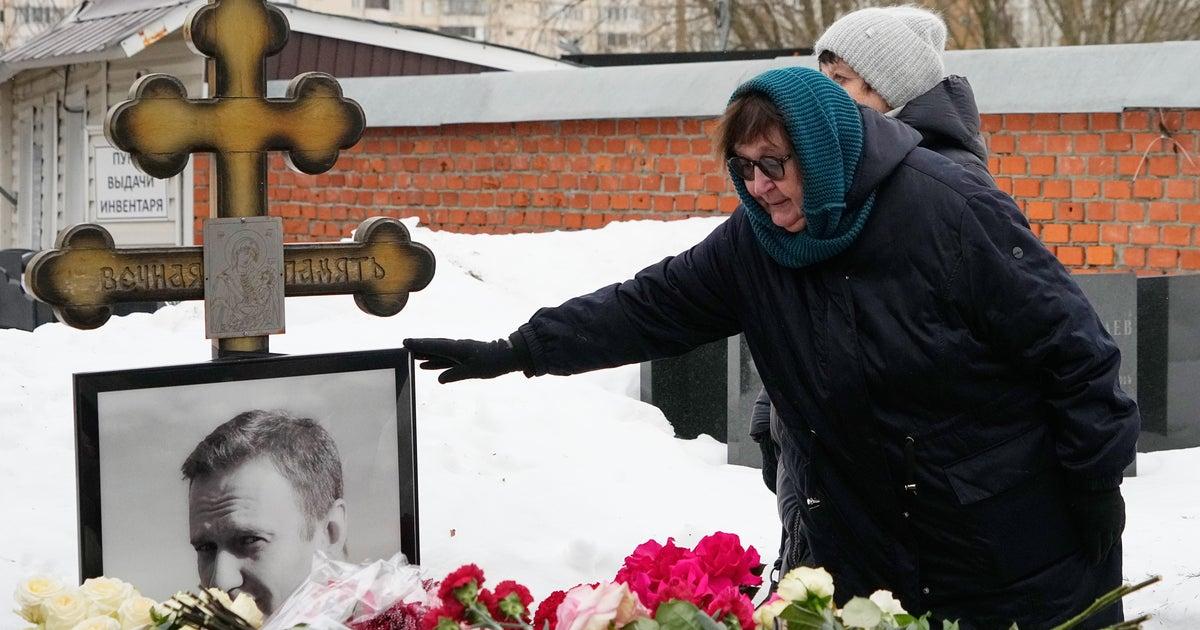
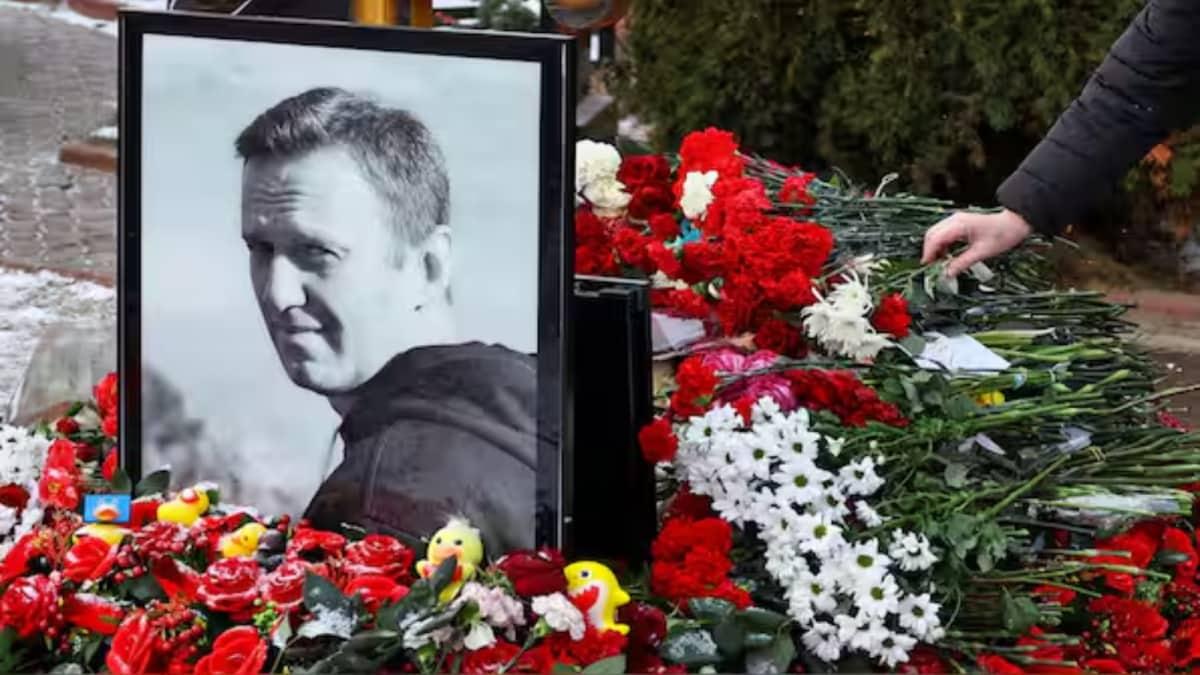
Reports say Navalny's mother and supporters visited his grave in Moscow and demanded accountability, and his widow Yulia praised the European findings as proof the death was a murder.

Several reports said the Moscow gathering included some foreign diplomats.

Other outlets emphasized diplomatic steps by Western governments rather than street-level demonstrations.

Those differences in emphasis affect whether coverage foregrounds civil society and family demands or official international responses.

Coverage Differences

Emphasis

Some sources focus on family and public mourning (The New Indian Express, The Moscow Times), quoting relatives and describing visits to the grave, while others stress state‑level diplomatic/legal action (Newsweek). That leads to different impressions of whether the story is driven by grassroots demands for justice or by interstate accountability mechanisms.

Disputed epibatidine findings

The story as reported reveals clear disputes and some open questions.

Multiple outlets repeat the specific scientific claim that epibatidine, associated with South American dart frogs, was detected and is not naturally present in Russia.

Other outlets note the toxin can be synthesized and that samples may have been smuggled for testing.

Media coverage diverges on whether to treat the European statement as conclusive evidence or as an allegation the Kremlin must deny.

Outlets also differ on how much background to include, such as the criminalization of Navalny’s movement, prior official cause-of-death statements, and differing foreign intelligence assessments.
Given these contradictions across reputable sources, the facts on forensic provenance, chain of custody for samples, and ultimate legal responsibility remain contested in the public record.

Sources cited include BusinessLine, New Indian Express, The Moscow Times, and Newsweek.

Coverage Differences

Contradiction

Sources concur that epibatidine was reported in tests, but they diverge on how definitive that finding is and on the interpretation: Newsweek frames the lab finding as highly likely to have caused death and notes the UK's OPCW filing, while Russian and some other reports emphasize denial and prior official narratives of natural death. This is a direct contradiction in interpretation between Western Mainstream sources (e.g., Newsweek) and Russian‑aligned denials reported by outlets like BusinessLine and The Straits Times.

Missed Information

Some reporting notes that epibatidine can be synthesised and that samples were smuggled for testing (The New Indian Express), details that other outlets omit; omission of chain‑of‑custody or synthetic‑production notes affects readers' ability to assess the forensic claim.

All 14 Sources Compared

BusinessLine

Kremlin rejects European accusations it poisoned Navalny with dart frog toxin

Read Original

CBS News

Alexey Navalny's mom hopes for justice as Russia rejects dart frog poisoning assessment by European nations

Read Original

Devdiscourse

Kremlin Denies Poison Dart Frog Allegations in Navalny Case

Read Original

marketscreener

Kremlin says it strongly rejects European accusations it poisoned Navalny with dart frog toxin

Read Original

News18

‘Biased And Baseless’: Russia Rejects Europe's Navalny Poisoning Allegations

Read Original

Newsweek

Russia Responds to Navalny Dart Frog Poison Claims

Read Original

royalnews.ng

Navalny’s Mother Calls for Justice After European Poisoning Assessment

Read Original

RTE.ie

Navalny's mother calls for 'justice' after Europeans say he died of poisoning

Read Original

The Economic Times

Kremlin rejects accusations on poisoning Alexei Navalny

Read Original

The Hindu

Kremlin says it strongly rejects European accusations on poisoning Navalny with dart frog toxin

Read Original

The Moscow Times

Kremlin Rejects European Accusations of Navalny Poisoning

Read Original

The New Indian Express

Kremlin rejects European assessment that Navalny died of poisoning

Read Original

The Straits Times

Kremlin says it strongly rejects European accusations it poisoned Navalny with dart frog toxin

Read Original

The Sunday Guardian

What is the Rare 'Dart Frog Toxin' Epibatidine & How Does It Affect the Human Body? Why European Leaders Link It to Alexei Navalny’s Death

Read Original