Business · 30 April, 2026 · 7 min read
Kremlin Says Russia Will Stay in OPEC+ After United Arab Emirates Exit
UAE exits OPEC and OPEC+, signaling major cartel shake-up. Russia will remain in OPEC+ despite UAE exit, Kremlin says.
Russia’s stance on staying in OPEC+ vs cautious hope the alliance endures.
13 of 14 outlets skipped it: CGTN states UAE was the second-largest oil producer in the OPEC+ group behind Saudi Arabia.
15outlets compared
Same story, two versions
tap a side to read it in full
yalibnan
“The UAE said on Tuesday it would quit the Organization of the Petroleum Exporting Countries, dealing a blow to the group as an energy crisis triggered by the Iran war has exposed rifts among Gulf nations.”Read the original ↗
DW
“"Losing a member with 4.8 million barrels per day of capacity, and the ambition to produce more, takes a real tool out of the group's [OPEC] hands," Jorge Leon, head of geopolitical analysis at research consultancy Rystad Energy.”Read the original ↗
Shows how outlets diverge in describing UAE’s exit: as a damaging blow to OPEC+ versus a strategic move that could push the UAE toward greater independent production.
UAE quits OPEC, Russia stays
Russia said on Wednesday it plans to stay in OPEC+ despite the United Arab Emirates’ decision to leave the Organization of the Petroleum Exporting Countries, a move the Kremlin framed as a sovereign step that Russia respects.
“Russia plans to stay in OPEC+ despite a decision by the United Arab Emirates to leave, the Kremlin said on Wednesday”
Kremlin spokesman Dmitry Peskov told reporters that “This format helps to substantially, let’s say, minimize fluctuations in energy markets and makes it possible to stabilize those markets,” and he said Russia hopes the alliance of oil producers will continue to operate amid turmoil in global energy markets.
Peskov said Russia respected the UAE’s decision and hoped Moscow’s energy dialogue with the Gulf state would continue, adding “No, they did not warn us. This is a sovereign decision of the United Arab Emirates. We respect this decision,” as quoted by state RIA news agency.
Reuters reported that the UAE was the fourth-largest producer in the OPEC+ grouping of OPEC members and its allies, while Russia was second, behind Saudi Arabia.
The Kremlin spokesman also said Russia joined OPEC+ in 2016, and International Energy Agency estimates cited by Reuters put the group at “nearly half the world’s oil and oil liquids” produced last year.
Multiple outlets echoed the same core message, with Madhyamam saying the Kremlin described OPEC+ as “an important organisation that helps reduce volatility in global energy markets,” and CGTN reporting that Peskov said Russia is “not planning to leave OPEC+.”
Kremlin’s rationale and timing
The Kremlin’s position was delivered as the UAE announced it would quit OPEC on Tuesday, with multiple reports tying the decision to an energy crisis linked to the Iran war and growing tensions among Gulf nations.
Reuters said the UAE’s exit dealt a blow to the group as “an energy crisis triggered by the Iran war has exposed rifts among Gulf nations,” and it described the UAE as the fourth-largest producer in the OPEC+ grouping while Russia was second behind Saudi Arabia.

Peskov told reporters that Russia hopes energy cooperation between Moscow and Abu Dhabi will continue, and he also said the UAE had not warned Moscow in advance about its plan to withdraw from OPEC.
The UAE’s departure timing was also specified in other coverage, with Rigzone saying the UAE announced its exit from OPEC, effective May 1, on Tuesday.
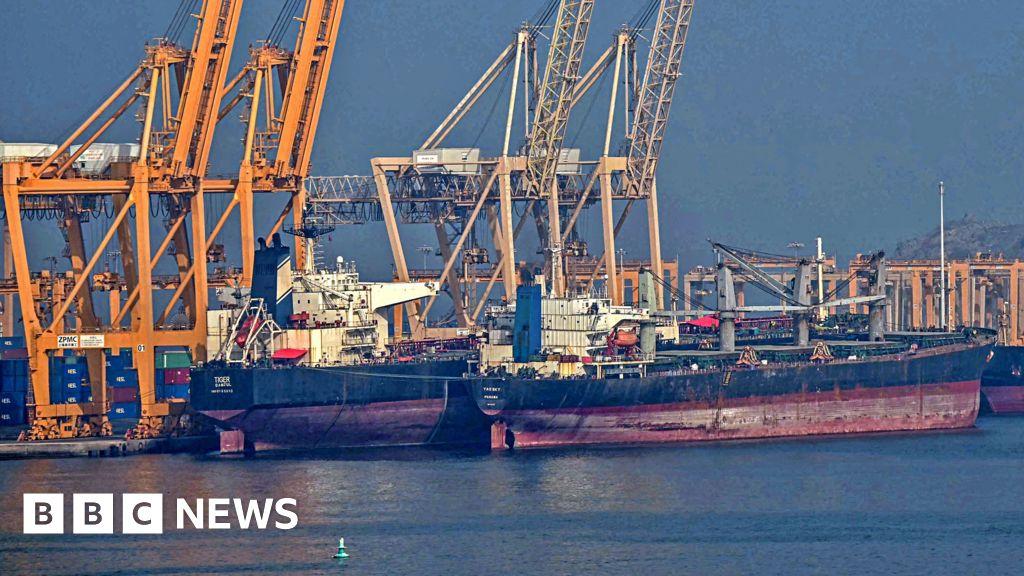
CGTN added that the UAE’s decision to exit OPEC came as the Strait of Hormuz, the main artery of global oil and gas trade, remains under blockade.
In parallel, the Moscow Times reported that Peskov said Russia has no plans to withdraw from the organization and called it “especially crucial when energy markets are in turmoil,” while noting that the UAE’s exit was effective this Friday.
Across the coverage, Russia’s membership in OPEC+ was consistently dated to 2016, and the group’s scale was repeatedly linked to International Energy Agency estimates that it produced nearly half of the world’s oil and oil liquids last year.
The Kremlin’s message, as presented by these outlets, was that Russia would remain committed to stabilizing global energy markets through OPEC+ even as OPEC’s membership changed.
Siluanov warns of uncoordinated output
Alongside Peskov’s insistence that OPEC+ should continue, Russian Finance Minister Anton Siluanov warned that the UAE’s exit could lead to countries boosting production and pushing prices down in the future.
““If OPEC countries to conduct their policies in an uncoordinated manner (after the UAE’s exit) and produce as much oil as their production capacities allow and as much as they want, prices will go down accordingly,””
In Reuters’ account, Siluanov said: “If OPEC countries to conduct their policies in an uncoordinated manner (after the UAE’s exit) and produce as much oil as their production capacities allow and as much as they want, prices will go down accordingly,” framing the risk as a scenario tied to coordination breaking down.
Reuters also reported that for now oil prices were supported by the blockade of the Strait of Hormuz, and that any oversupply would only become a risk after the strait reopens.
The same logic appeared in Benzinga’s reporting of Siluanov’s comments, which said he warned that if OPEC countries act in an “uncoordinated” manner and maximize oil production after the UAE’s exit, oil prices would likely fall, but that his prediction of oversupply related to a future scenario when the passage reopens.
Rigzone similarly described the Kremlin’s stance that Russia is not considering leaving OPEC+ and said Peskov told local media that “This is a very important area of work, especially crucial in the current conditions, when energy markets are, to put it mildly, in turmoil,” as quoted by Interfax.
The Moscow Times added that Siluanov said the UAE’s exit, effective this Friday, would boost oil production and eventually bring down energy prices that have surged since U.S.-Israeli strikes were launched against Iran in late February.
While the Kremlin’s spokespeople emphasized stability through OPEC+, the finance minister’s warning centered on what could happen if OPEC members produce “as much oil as their production capacities allow” without coordination.
Together, the statements presented a two-track message: Russia would stay in OPEC+ to stabilize markets, but it feared the UAE’s departure could weaken coordination and alter future price dynamics.
Russia’s production constraints and output
Beyond statements about cartel coordination, Rigzone’s report described constraints on Russia’s ability to ramp up production, linking them to intensified attacks on its energy infrastructure.
Rigzone said Russia has no incentives to leave the OPEC+ alliance as it sees no options to raise oil production significantly in the near future, citing a person close to the nation’s government who asked not to be named.
The outlet added that Russia’s ability to ramp up production remains limited amid intensified attacks on its oil infrastructure, “from refineries to sea terminals,” as Ukraine aims to reduce the inflow of petrodollars to nation’s coffers.
Rigzone also provided a specific production snapshot, saying: “In March, Russia’s crude-onlyoutputwas virtually flat after three consecutive months of declines at 9.167 million barrels a day.”
It further stated that the figure “— which doesn’t include output of condensate — is 407,000 barrels a day lower than what Russia was allowed to produce in March under an agreement with OPEC and its allies.”
The same report placed the UAE’s exit in a broader context of OPEC+ membership and supply management, noting that the UAE’s exit from OPEC after six decades of membership was the culmination of years of tension with Saudi Arabia over oil output policy and competition for regional political influence.
Rigzone also said the UAE announced its exit from OPEC effective May 1, and it described the UAE as the third-biggest OPEC producer before the Iran war, trailing only Saudi Arabia and Iraq.
While Peskov and Siluanov focused on market stabilization and coordination, Rigzone’s production details underscored that Russia’s near-term ability to respond to market shifts may be constrained by security and infrastructure impacts.
Market impact and analysts’ framing
Several outlets framed the immediate market impact as limited, while still warning about longer-term volatility.
“the ongoing disruption in the Strait of Hormuz already dominates the market”
DW reported that the UAE’s exit was unlikely to cause major immediate swings in global oil prices because “the ongoing disruption in the Strait of Hormuz already dominates the market,” and it quoted Jeff Colgan of Brown University saying, “In the short term, I don't expect it [the exit] to have major impacts because what's happening in the Strait of Hormuz dominates the whole global oil picture in a way that renders this news from OPEC as kind of a minor thing.”

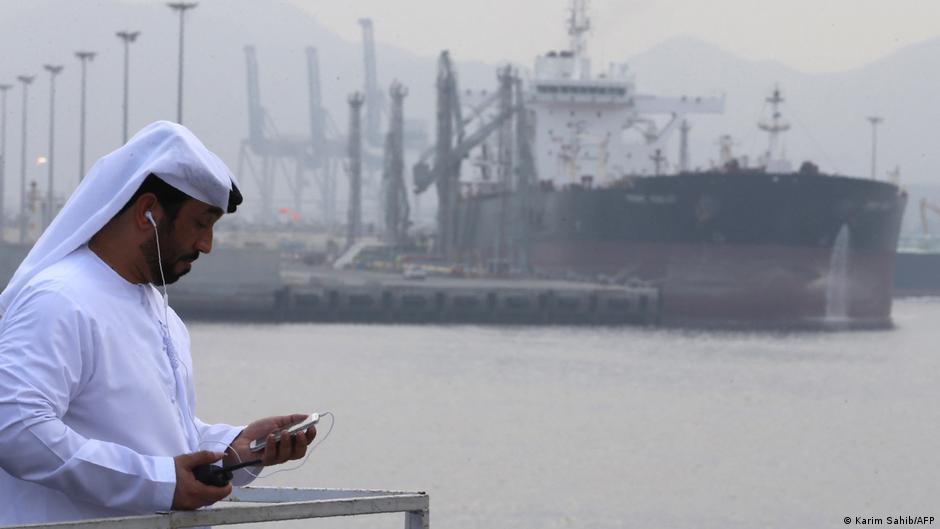
DW also described how the UAE was redirecting “about 1.8 million bpd to its Fujairah port on the Gulf of Oman coast via a pipeline that is running at maximum capacity,” and it said any additional production the UAE planned to bring online could not reach markets right away.
Benzinga, by contrast, reported that on Wednesday at 8:42 am ET, West Texas Intermediate (WTI) crude was trading 3.93% to $103.85 a barrel and Brent was trading 3.86% higher at $115.55 per barrel, indicating that prices were moving but not collapsing immediately.
The Moscow Times added that analysts warned the departure could weaken OPEC’s collective influence and trigger further market turbulence, while also noting that the UAE was the first major producer to leave since Angola withdrew in 2024.
The Moscow Times also described the UAE’s exit as a step taken after clashing with the group over production quotas, and it said the last OPEC member to withdraw was Angola in 2024.
In parallel, Benzinga included a quote from Richard Tullis, Natural Resources Analyst at Water Tower Research, stating that the UAE aims to boost oil production to 5 million barrels per day by 2027 and that it could increase output of its “low unit cost oil” further later in the decade.
Across these accounts, the Kremlin’s insistence on OPEC+ stability coexisted with market-focused assessments that the Strait of Hormuz blockade dominated near-term price formation, while the UAE’s exit could matter more once conditions normalize.