Syria14 February, 20262 min read
Kurdistan Region President Nechirvan Barzani at Munich Security Conference Urges Full Implementation of SDF–Damascus Agreement, Says Region Played Supportive Role
This article is an automated aggregation of coverage from news outlets. Our editorials offer in-depth analysis curated by the NewsCord team.
Urged full implementation of the SDF–Damascus integration agreement. Affirmed support for Syria's unity and stability to promote regional stability.
5 outlets told this the same way.
Outlets did split on Asad Al-Shaibani Meets Saddam Haftar in Benghazi Over Syrian Consulate And Missing Syrians →
Barzani urges deal implementation
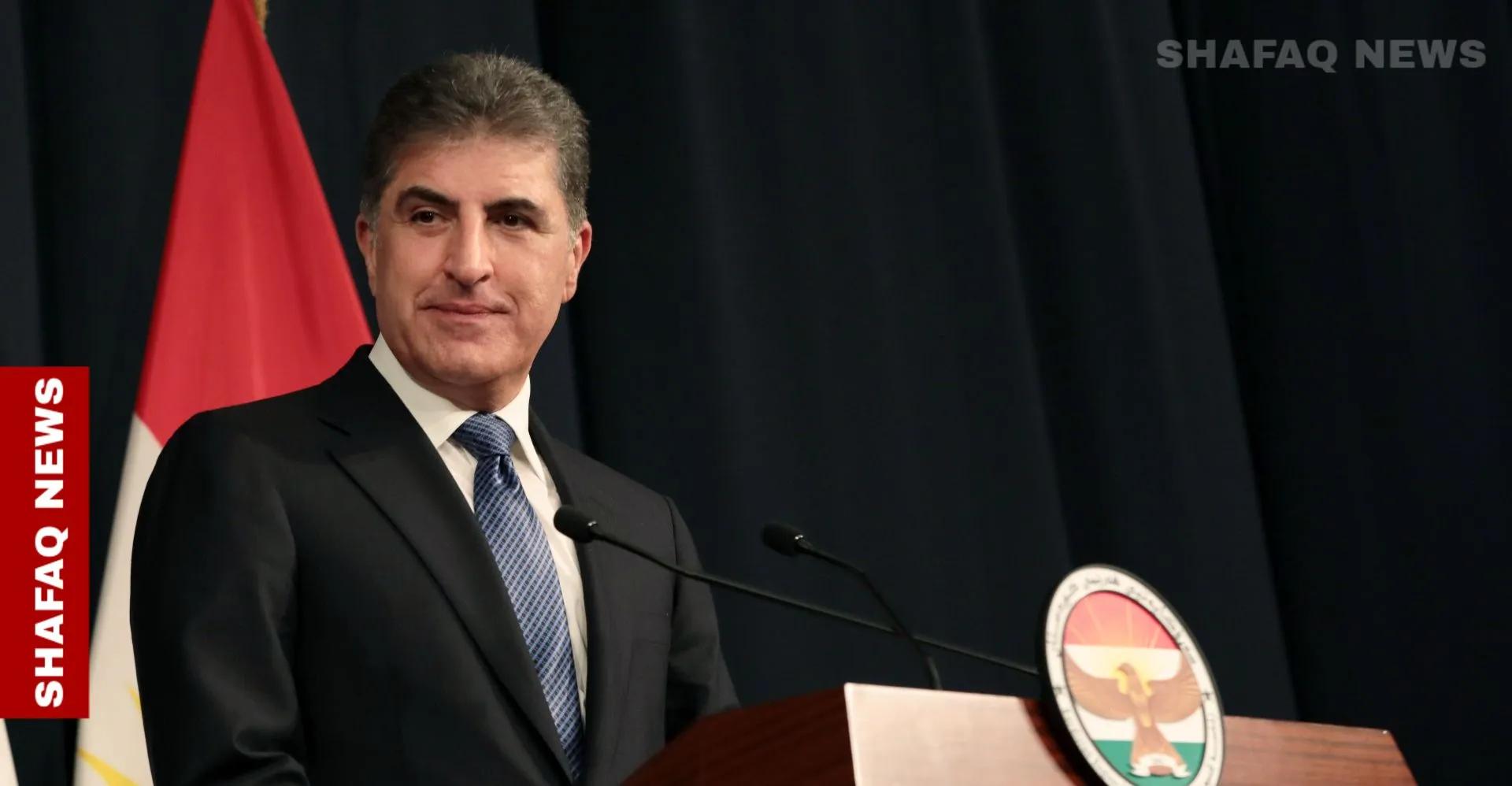
At the Munich Security Conference, Kurdistan Region President Nechirvan Barzani urged full implementation of the January 30 agreement between the Kurdish-led Syrian Democratic Forces (SDF) and Damascus. Barzani described the Kurdistan Region’s role as "supportive," focused on reducing tensions and encouraging dialogue, and linked the accord’s success to effective implementation and stable outcomes.
“Kurdistan Region President Nechirvan Barzani, speaking at the Munich Security Conference, said he hopes the January 30 agreement between the Kurdish-led Syrian Democratic Forces (SDF) and Damascus will be fully implemented and help stabilize Syria. He described the Kurdistan Region’s role as ‘supportive,’ aimed at reducing tensions and encouraging dialogue, and stressed that the accord’s success depends on effective implementation.”
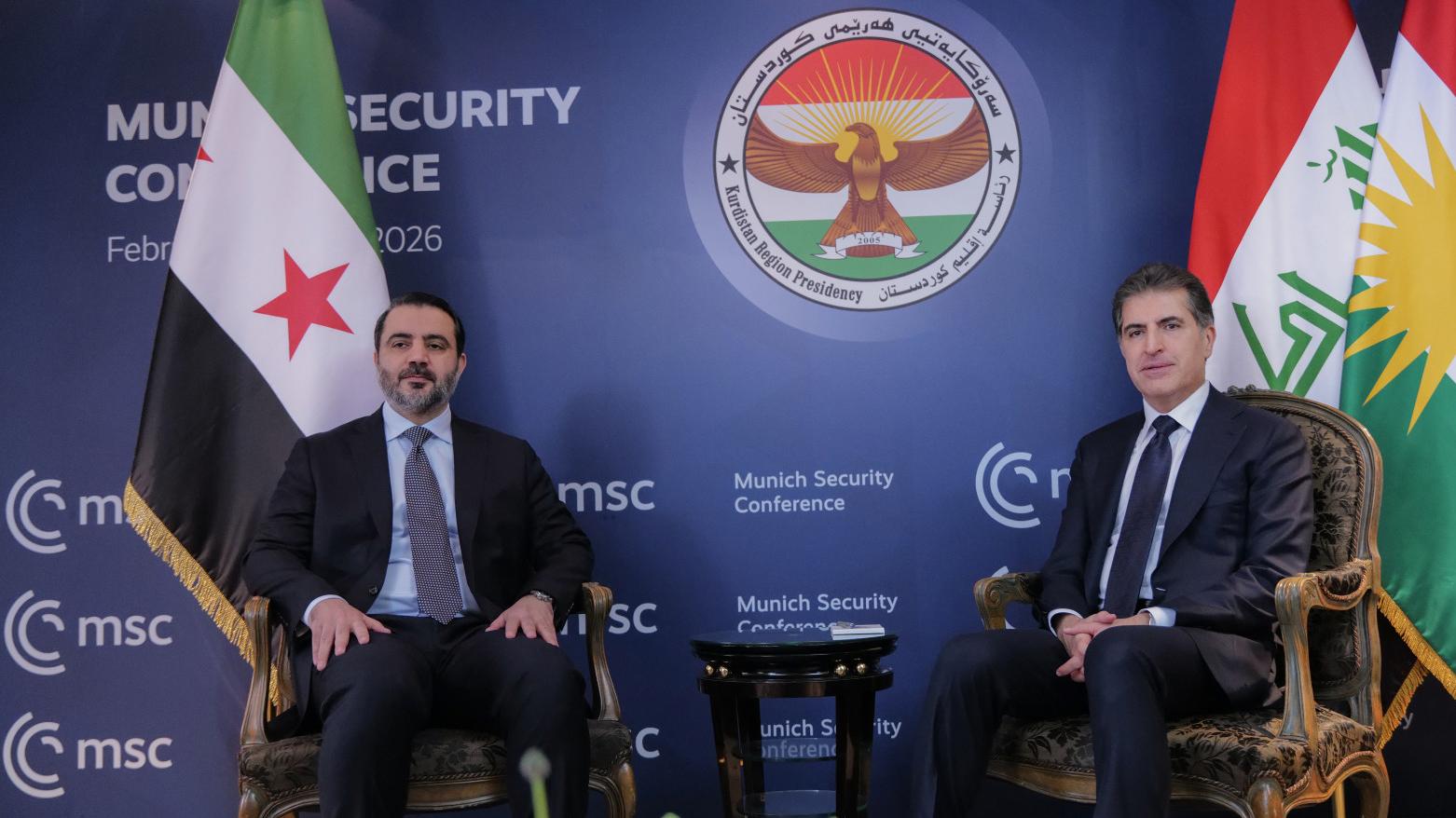
Barzani met Syria’s foreign minister on the sidelines to discuss bilateral relations and regional stability. Public reporting frames Barzani as pressing for on-the-ground follow-through to translate the deal into a stabilizing reality for Syria and neighbouring Iraq and the Kurdistan Region.

Media coverage of deal
Reporting differs on which elements of the agreement and follow-up they emphasise. شفق نيوز lists operational items the deal calls for: a ceasefire, phased integration of military and administrative structures, frontline redeployments, expanded internal security in Hasakah and Qamishli, incorporation of regional institutions into Syrian state bodies, protections for Kurdish civil and educational rights, and measures to enable displaced people to return.
Al-Jazeera Net highlights parallel legal and administrative steps taken by Damascus, notably a 16 January decree addressing Kurdish cultural and linguistic rights and civil-status and property files. kurdistan24.net centres the meeting as part of a diplomatic push for national dialogue and rights protection for all groups.

Barzani meeting in Munich
kurdistan24.net and Al-Jazeera Net report that Barzani met Syrian Foreign Minister Asaad Shaibani (also spelled Asaad al-Sheibani) on Feb. 14 on the sidelines of the Munich conference.
“President of the Kurdistan Region Nechirvan Barzani met Syrian Foreign Minister Asaad Shaibani on Feb. 14, 2026, on the sidelines of the Munich Security Conference, the Kurdistan Region presidency said.”
Both accounts say the meeting covered bilateral ties, displaced persons and national dialogue, and that Syrian officials praised Barzani’s role in the Damascus–SDF accord.
That convergence across sources suggests both sides presented the meeting as cooperative.
The sources differ in the details they highlight: Al-Jazeera foregrounds Barzani’s praise for Damascus’ decrees and the centrality of Damascus to Syrian politics, while kurdistan24.net emphasises protecting the rights of all groups.
Coverage gaps and uncertainties
Gaps and uncertainties remain in the available coverage. Some outlets supply detailed operational or legal lists (شفق نيوز, Al-Jazeera Net) while others provide shorter diplomatic readouts (kurdistan24.net). Two of the provided snippets (SyriacPress and rudaw.net) explicitly note missing or incomplete text, meaning we cannot verify whether those outlets would add further detail or different perspectives.
Because of those omissions and some transliteration differences in names and spellings, reporting overlaps but does not present a uniform, fully verifiable account of implementation steps or timelines. The sources agree on encouragement and praise for the deal but leave practical implementation and broader regional reactions unclear.