Asia · 13 April, 2026 · 1 min read
Kuwait Expands Citizenship Revocation Powers And Tightens Eligibility Rules
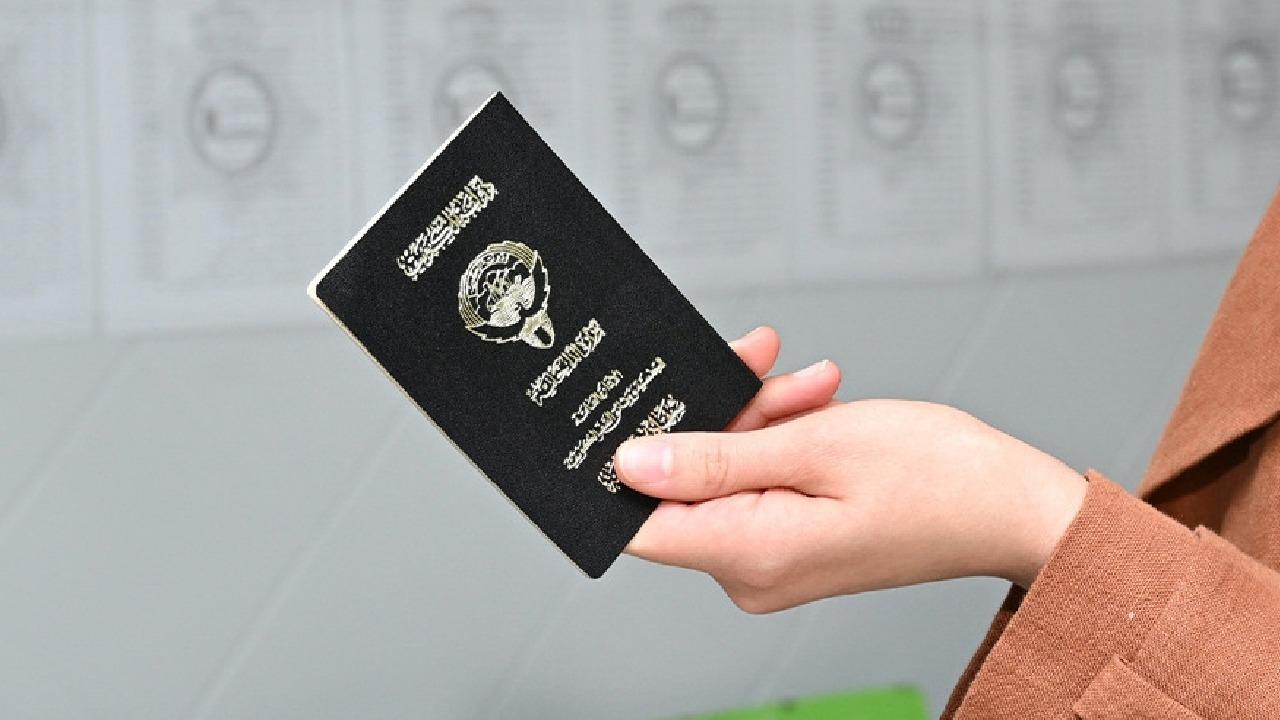
Decree-Law No. 52 of 2026 amends Amiri Decree No. 15 of 1959. The reforms broaden government power to grant and revoke Kuwaiti citizenship.
Judicial review and due process for revocation decisions.
9 of 10 outlets skipped it: 65 people were listed for nationality withdrawals in decree publications.
9outlets compared
Same story, two versions
tap a side to read it in full
The Times of India
“Authorities also stressed that enforcement will follow due process and that individuals affected by revocation decisions will have access to legal channels as defined under Kuwaiti law.”Read the original ↗
EEconomic Times
“Nationality decisions are classified as sovereign acts and are not subject to judicial review under the new provisions.”Read the original ↗
Shows a direct contrast between a claim of due process and access to legal channels (TOI) versus a framing that decisions are sovereign acts not subject to judicial review (ET).
Kuwait Citizenship Overhaul
Kuwait enacted sweeping amendments to its citizenship law under Decree-Law No. 52 of 2026.
“Kuwait introduced sweeping amendments to its citizenship law under a new Emiri decree, significantly expanding the government’s authority to grant and revoke nationality”
The reforms significantly expand the government's authority to grant and revoke nationality while tightening eligibility criteria.

The decree replaces key provisions of the 1959 Amiri Decree and removes outdated clauses.
Authorities said the revisions seek to balance national identity considerations with humanitarian and social factors.
The changes redefine who qualifies as Kuwaiti by origin and introduce stricter conditions for loss and withdrawal of nationality.
Expanded Revocation Powers
The amendments broaden the government's power to revoke citizenship.
The decree introduces stricter provisions related to dual nationality.

Violations could now lead to withdrawal of Kuwaiti citizenship.
The law introduces penalties of up to three years in prison for providing false information.
Nationality decisions are classified as sovereign acts and are not subject to judicial review.
Naturalisation and Family Provisions
The amendments reshape eligibility pathways for obtaining Kuwaiti citizenship.
“The acquisition of foreign Kuwaiti citizenship does not make his foreign wife Kuwaiti”
The acquisition of foreign Kuwaiti citizenship does not make the foreign wife Kuwaiti.
Minor children become Kuwaiti by naturalization and may elect their own citizenship within the year following reaching adulthood.
The decree grants expanded powers to the Minister of Interior.
The law allows restoration of nationality subject to approval and residency requirements.
Enforcement and Human Rights Concerns
The amendments come amid broader regional pressures and demographic shifts.
International human rights organisations have raised alarm about the potential for abuse of power.

Critics argue that increased revocation powers may undermine the rights of long-term residents.
The government said all ministers concerned will oversee implementation of the decree.
The changes mark a significant shift in Kuwait's approach to citizenship.