
Kuwait Revokes Journalist Ahmed Shihab-Eldin’s Citizenship, Strips Citizenship From His Sisters
Key Takeaways
- Kuwait revoked Shihab-Eldin's and his sisters' citizenship under Article 11.
- Detained for weeks over social media posts; acquitted of all charges.
- Revocation followed his release from detention days earlier; CPJ condemned it as dangerous escalation.
Citizenship as a Gulf weapon
Kuwait has revoked the citizenship of U.S.-Kuwaiti journalist Ahmed Shihab-Eldin and stripped the citizenships of his two sisters, a decision issued by Kuwait’s Supreme Committee for Nationality Affairs on Wednesday under Article 11 of Kuwait’s nationality law, which “prohibits dual nationality.”
The New Arab reports that the decision ordered the withdrawal of citizenship from 21 individuals, and that Shihab-Eldin, “41,” is of Palestinian origin and holds both US and Kuwaiti citizenship.

CPJ says the revocation came “just days after his release from two months of wrongful detention,” and frames it as “a dangerous escalation in the use of state power to crush press freedom.”
In a statement issued on Wednesday by his legal team, Shihab-Eldin said, “I am free - but many remain behind bars in Kuwait and across the region for speaking the truth.”
AsiaNews similarly describes citizenship as “the main weapon used in this internal war,” saying Gulf monarchies use it in the war against Iran.
The same AsiaNews report adds that Bahrain has revoked the citizenship of 69 people accused of sympathies with Iran, and it quotes activists who see the conflict as giving authorities “an ‘opportunity to crack down even harder’.”
Detention, charges, and court
Shihab-Eldin’s citizenship revocation followed a detention sequence that multiple outlets describe in detail, beginning with his arrest while visiting Kuwait.
The New Arab says he was arrested on “3 March” while visiting Kuwait and held “for more than seven weeks,” and it adds that authorities accused him of “spreading false information, harming national security and misusing a mobile phone.”

Middle East Eye, by contrast, says he was arrested on “2 March” while visiting family in Kuwait, and it reports that CPJ said his arrest came after he shared publicly available footage and images related to the Iran war.
AsiaNews reports that he was detained on “2 March,” and that he “spent several weeks in prison” for sharing images related to the “current Gulf War,” including a video of a “US fighter jet crashing.”
The Committee to Protect Journalists says he was “abducted and arrested” on “March 3,” and adds that he was “initially detained incommunicado, with no contact with his family, in two separate interrogation facilities and then moved to Kuwait Central Prison.”
CPJ also says the legal outcome was not a simple acquittal, stating that “a judge acquitted Shihab-Eldin of the first charge on April 23 but refrained from pronouncing punishment, with a pledge of good conduct for six months without bail on the second and third charges.”
The New Arab says that on “23 April, a Kuwaiti court acquitted him of all charges,” and it notes rights groups welcomed the decision and called for his immediate release.
What he posted, and why
The outlets tie the case to specific content Shihab-Eldin shared publicly, including footage of a U.S. fighter jet crash near a military base in Kuwait.
The New Arab says one of his final social media posts included “geolocated footage, later verified byCNN, showing the crash of a US fighter jet near a military base in Kuwait,” and it links the arrest to the regional conflict that began on “28 February” when “the United States and Israel launched strikes on Iran.”
Middle East Eye similarly reports that his posts included “footage of a US fighter jet crashing into a US air base in Kuwait,” and it says CPJ reported his arrest came after he shared publicly available footage and images related to the Iran war.
AsiaNews adds that the detention was related to “sharing publicly available footage and images related to the war in Iran with posts including a video of a US fighter jet crashing on Kuwaiti territory.”
CPJ’s account emphasizes the legal framing of the work, saying authorities charged him with “spreading false information, harming national security, and misusing his mobile phone,” and it also says the detention lasted “For 52 days” and involved “repeated, grave violations of his fundamental rights due to his work.”
In CPJ’s statement, Shihab-Eldin’s legal counsel says, “For 52 days, he was wrongly imprisoned and endured repeated, grave violations of his fundamental rights due to his work. For reporting. For expressing opinions. For simply doing his job.”
The New Arab adds that the U.S. State Department confirmed last Friday that Shihab-Eldin had “safely left” the country, noting that consular assistance had been provided during his detention.
Competing narratives and legal outcomes
The reporting diverges on key details, particularly the arrest date and the court outcome, while aligning on the central mechanism of Article 11 and the citizenship stripping of 21 individuals.
Middle East Eye says Shihab-Eldin was arrested on “2 March” and that he was “released last week and found innocent of all charges,” while CPJ says he was “abducted and arrested” on “March 3” and that he was “initially detained incommunicado.”
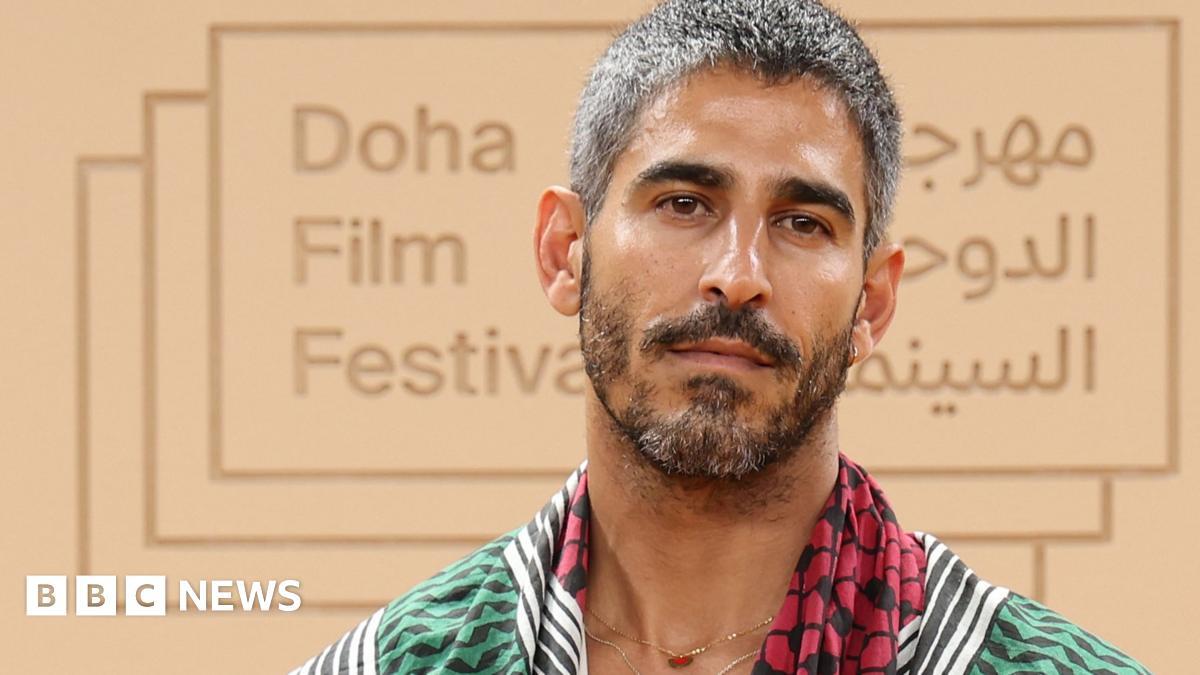
The New Arab also places the arrest on “3 March” and says that on “23 April, aKuwaiti court acquitted himof all charges,” but CPJ’s statement says the judge “acquitted Shihab-Eldin of the first charge on April 23 but refrained from pronouncing punishment,” and it describes a “pledge of good conduct for six months without bail” on the second and third charges.
The outlets also differ in how they characterize the legal basis and the scope of the decision: AsiaNews says the Supreme Committee for the Investigation of Kuwaiti Nationality announced the revocation of his passport “along with that of 21 other people,” and it says the committee “simply enforced Article 11 of Kuwait's nationality law, which prohibits dual citizenship.”
The New Arab says the decision was issued by Kuwait’s Supreme Committee for Nationality Affairs and ordered withdrawal of citizenship from “21 individuals under Article 11,” and it adds that the law “stipulates that a Kuwaiti national loses their citizenship if they voluntarily acquire a foreign nationality.”
CPJ, meanwhile, frames the revocation as punitive and as a “dangerous escalation,” with CPJ CEO Jodie Ginsberg saying, “Weaponizing nationality to punish reporting sets a chilling precedent for every journalist in Kuwait and the Gulf.”
Middle East Eye quotes Falah Sayed of MENA Rights Group saying, “Citizenship stripping in Kuwait has become a recurring tool to silence dissent,” and it adds that the practice forms “part of a broader pattern of weaponising nationality laws against human rights defenders.”
Scale, regional spillover, and next steps
The citizenship revocation campaign described across the sources extends beyond one journalist and is presented as part of a broader pattern affecting large numbers of people in Kuwait and Bahrain.
“Citizenship, a 'weapon' Gulf monarchies use in the war against Iran Kuwait-born US journalist Ahmed Shihab-Eldin was arrested and had his passport revoked for publishing the video of a US fighter jet crashing”
CPJ says that “Since October 2024, Kuwait has revoked citizenship in a growing number of cases, with the total reaching over 71,000 as of April 15, 2026,” and it adds that this represents “approximately 4.6% of Kuwait’s official population of more than 1.5 million.”
AsiaNews similarly says Shihab-Eldin and his sisters have become part of “the more than 50,000 Kuwaitis who have had their citizenship revoked,” and it describes the revocation campaign as accelerating with the outbreak of the war with Iran.
The AsiaNews report also says Bahrain revoked the citizenship of “69 people accused of sympathies with Iran,” and it quotes Maryam al-Khawaja saying, “Unfortunately, since the beginning of the war on Iran, the GCC regimes have taken this as an opportunity to crack down even harder,” using the acronym for the Gulf Cooperation Council.
Middle East Eye reports that Bahrain’s “69 people” include those accused of “causing harm to the interests” of the kingdom, and it says the 69 people include dependent family members.
In Kuwait, CPJ says lawyers are appealing the court decision and that “We are now working with our client to seek accountability for what he has endured, and justice for those who remain unjustly detained in Kuwait.”
Meanwhile, AsiaNews frames the policy as citizenship being revoked “according to arbitrary principles,” and it says Kuwait has imposed “severe restrictions on online content” in the wake of the regional conflict, particularly to limit reporting of attacks on the country’s energy and military infrastructure.
More on Asia

Thai Fine Arts Department Unearths 2,000-Year-Old Indian Gold Rings at Don Yai Thong Site
13 sources compared

China Pushes China-Myanmar-Bangladesh Corridor From Kunming to Kyaukpyu, Aiming for Indian Ocean Access
13 sources compared

Lahore Police Arrest Tutoring Centre Owner After Roof Collapse Kills At Least 14 Children
11 sources compared

South Korea’s National Assembly Approves Han Seong-sook as Prime Minister After Democratic Party Push
13 sources compared