Britain29 November, 20252 min read
Labour Government Bans Asylum Seekers From Taxpayer-Funded Taxis for GP Appointments After £15.8m Annual Bill
This article is an automated aggregation of coverage from news outlets. Our editorials offer in-depth analysis curated by the NewsCord team.
Home Office bans asylum seekers from taxpayer-funded taxis for routine medical appointments Taxi use restricted to exceptional, evidence-based medical cases requiring Home Office approval

7 outlets told this the same way.
Asylum taxi policy change
Labour Home Secretary Shabana Mahmood has ordered an immediate end to the routine use of taxpayer-funded taxis for asylum seekers' medical appointments. A Home Office review found contractors were spending about £15.8m a year on transport. Taxis will be limited to the most exceptional circumstances, such as severe disability, pregnancy or serious illness.
“Home Secretary Shabana Mahmood has announced a ban on asylum seekers using taxis for medical appointments, limiting such journeys to exceptional, evidence-based cases (for example, severe disability, pregnancy or serious illness) that must be approved by the Home Office.”
The ban on arranging taxis for medical travel takes effect from February. The government says it will promote alternatives such as public transport as it moves to close asylum hotels.
Asylum transport costs
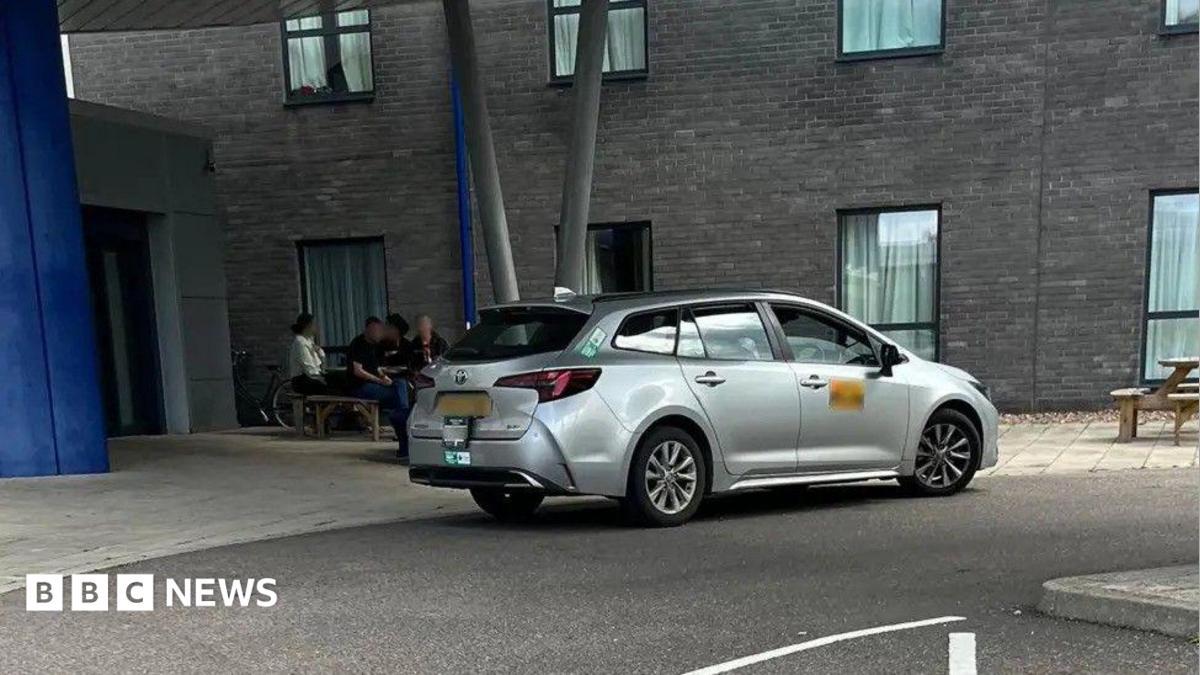
The move follows reporting of extreme examples of costly journeys that the Home Office says fuelled the review. Outlets repeatedly cite a 250-mile taxi to a GP costing about £600. Subcontractors described up to 15 daily two-mile drop-offs from a single hotel that added up to large sums.
Media accounts also supply contractor figures, with GB News reporting that one contractor, Clearsprings Ready Homes, was spending roughly £350,000 a month with a single taxi firm for around 6,000 trips. The Home Office estimate of about £15.8m a year on asylum-seeker transport has been widely quoted.
Asylum transport policy changes
Policy mechanics and exceptions are set out similarly across outlets. Taxis will still be allowed in defined, evidence-based exceptional circumstances, for example severe disability, pregnancy, or serious illness, and each journey must be authorised by the Home Office.
Existing arrangements, such as a bus pass for one weekly return journey, remain part of how asylum transport has been managed. Contractors will be required to stop routine taxi bookings for medical appointments.
Mahmood's asylum reforms
The announcement is part of a wider package of asylum reforms from Mahmood intended to deter illegal migration and reduce costs. ITVX and The Telegraph report Mahmood saying she is closing asylum hotels and targeting waste from 'inherited Conservative contracts'.
Other outlets note earlier proposals to make refugee status temporary with reviews every 30 months, an initiative that has drawn criticism from Labour backbenchers. The government frames the restrictions as necessary to curb what it says is an unfair, out-of-control system and to save taxpayer money.

Media coverage of migration policy
There remain open questions and divergent emphases across outlets about the policy's practical effects and next steps. GB News uniquely reports delays to plans to relocate migrants to military sites over safety and provision concerns. The BBC highlights that ministers launched an urgent review after its reporting.
“Plans to relocate migrants to military sites have been delayed over safety and provision concerns.”
Some outlets stress the immediate cost savings while others place the change within broader asylum reform. Reporting is consistent on core facts but differs in focus, leaving unclear details such as how alternatives will be provided locally. It is also unclear how exceptional cases will be evidenced in practice and how savings will be measured against any increased burdens on public transport or NHS access.