Protests19 December, 20254 min read
Labour Government Lets Six Palestine Action Political Prisoners Starve to Death in UK Prisons by Refusing to Intervene
Six remand Palestine Action activists are on prolonged hunger strike, facing imminent risk of death Held on remand for actions targeting defence and military sites after Palestine Action's proscription
11 outlets told this the same way.
Outlets did split on France Suspends Police Stun Grenades at High School Protests After 15-Year-Old Loses Hand →
BBC was read line by line by the Watchdog: 3.2. See the score →
UK hunger strike crisis
Six Palestine Action activists held on remand in UK prisons have been refusing food for weeks and are described by medical professionals, relatives and campaigners as at risk of death. Multiple outlets report coordinated hunger strikes involving the same group of detainees. The World Socialist Web Site said the six pro-Palestinian political prisoners in Britain are on hunger strike and said to be in acute danger of death.
“Six pro-Palestinian political prisoners in Britain are on hunger strike and said to be in acute danger of death.”
Al Jazeera reported the activists are on hunger strike in pre-trial detention and face a risk of death. Maktoob Media recorded that the strikers 'face an immediate risk of death,' citing more than 800 healthcare workers who warned Justice Secretary David Lammy.

The BBC and The Mirror documented urgent medical emergencies and hospital transfers, with the BBC noting that Qesser Zuhrah, on day 46 of refusing food, was described as 'critically ill' and taken to hospital after protesters showed an ambulance leaving HMP Bronzefield. Together these reports convey a consensus that the situation is medical and urgent, though they differ in language and emphasis.
Detainee hunger-strike reports
Multiple outlets have published the names, durations and reported symptoms of detainees. The Mirror lists six detainees — Qesser Zuhrah and Amu Gib (46 days), Heba Muraisa (45), Teuta Hoxha (39), Kamran Ahmed (38) and Lewie Chiarmello (24) — and reports campaigners describing the situation as life-or-death. Novara Media and Maktoob Media emphasise prolonged strikes and severe medical signs such as chest pain, loss of consciousness, collapse and dangerous metabolic changes.
The Muslim News and Maktoob record hospitalisations and multiple medical interventions. Muslim News reports Qesser Zuhrah was transferred to hospital on December 18 after 47 days without food, and Maktoob notes symptoms including chest pain, low blood pressure and rising ketone levels. These details underscore both the length of refusal and the severity of physiological deterioration reported across sources.
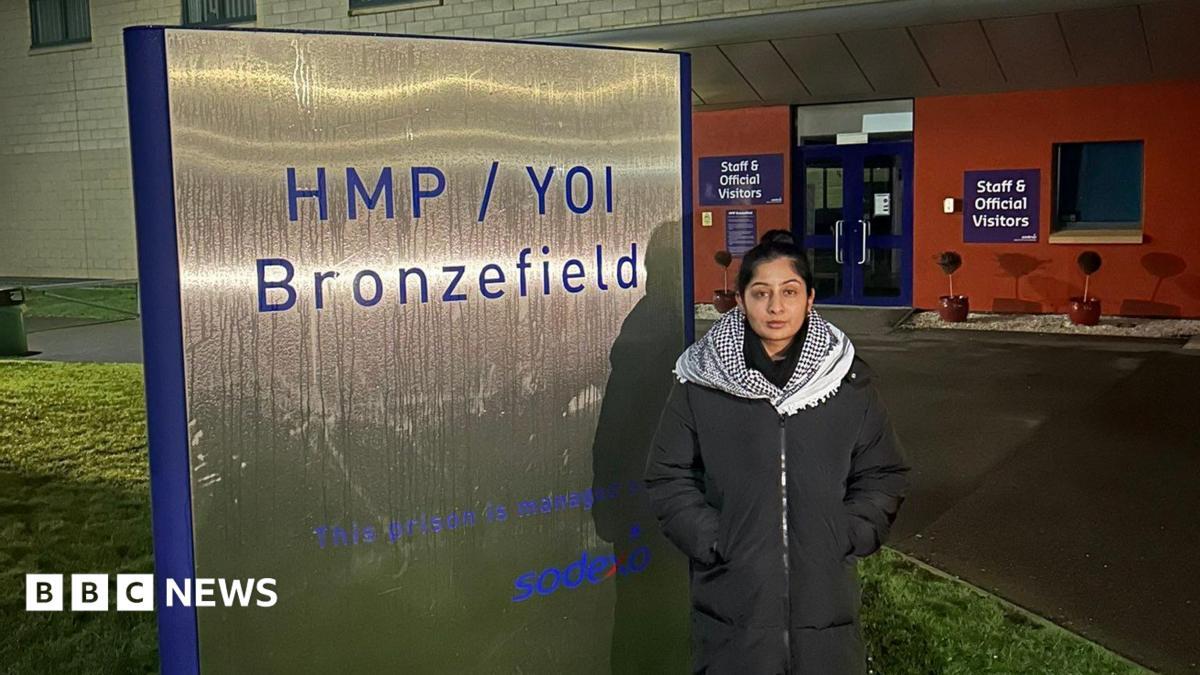
Media coverage of detainees
The detainees' legal status and demands are central to coverage. World Socialist Web Site highlights that they are remand prisoners, 'not convicted and legally presumed innocent', and are demanding immediate bail, the right to a fair trial, an end to censorship of their communications, the de-proscription of PA, and the closure of UK sites operated by Israeli arms manufacturer Elbit. Maktoob Media and Mirror repeat those demands and note that Palestine Action rejects the proscription that followed their arrests.
“As remand prisoners — not convicted and legally presumed innocent — they are demanding immediate bail, the right to a fair trial, an end to censorship of their communications, the de‑proscription of PA, and the closure of UK sites operated by Israeli arms manufacturer Elbit.”
Novara Media frames the episode as a political failing by Keir Starmer's Labour government, saying it has 'failed to respond' and linking the government's proscription of Palestine Action to the crisis. Novara also records Jeremy Corbyn asking the prime minister to meet representatives, with Starmer declining and saying he is following 'rules and procedures'.
Prison healthcare response debate
Responses from government and prison authorities differ sharply from campaigners' accounts and from the demands of medical signatories. Metro records official denials that the Ministry of Justice and His Majesty's Prison and Probation Service say they cannot comment on individual cases, deny reports that NHS staff are being obstructed, and insist food refusals and healthcare are being handled in line with policy. Maktoob and The Muslim News document healthcare professionals urging urgent transfers and continuous monitoring, with nearly 800–900 signatories saying prison healthcare is insufficient.
Novara and World Socialist Web Site characterise the government response as a political choice to prioritise sites linked to Israel's arms industry over protesters' welfare. This divergence shapes public perception, with official sources emphasising protocol and capacity limits and campaigning and alternative outlets emphasising human risk, alleged obstruction and governmental responsibility.
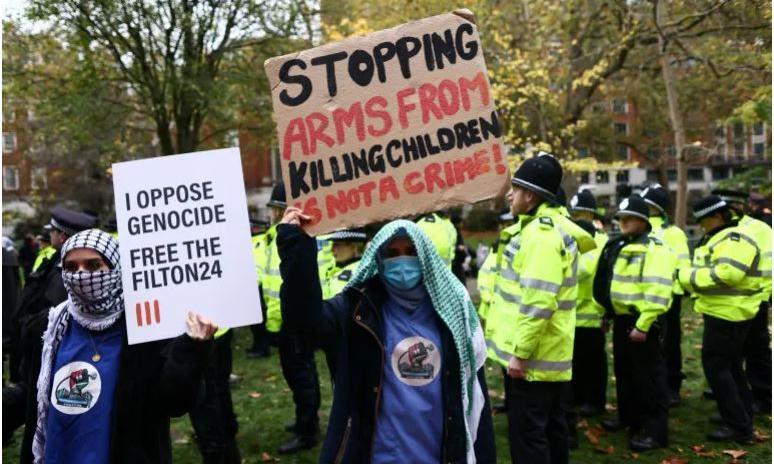
Prisoner health crisis
Campaigners, MPs and hundreds of medical professionals have demanded urgent intervention even as judicial processes continue. The Mirror reports that lawyers warned MP David Lammy about the risk of deaths in custody and that more than 200 public figures wrote to the prime minister. Maktoob and The Muslim News cite over 800–900 health workers asking for hospital transfers and 24‑hour supervision.
“Lawyers warned MP David Lammy of the risk of deaths in custody; more than 200 public figures, organised by Irish Artists for Palestine, have written to the prime minister urging government action.”
Novara and the World Socialist Web Site frame the situation as a failure of political leadership by Starmer’s government, with WSWS saying the government is "washing its hands" of the prisoners. Novara also notes Starmer said he was following "rules and procedures" and declined a meeting requested by Jeremy Corbyn, and there are recorded refusals to meet demands. Across sources the picture is one of mounting alarm, contested responsibility, and unresolved risks, as reports do not confirm deaths but consistently warn of an escalating, potentially fatal crisis unless the state, prison services or courts take different action.
