Britain26 January, 20262 min read
Labour NEC Blocks Andy Burnham From By-Election, Prompting Around 50 Labour MPs To Rebel
NEC voted 8–1 to bar Greater Manchester Mayor Andy Burnham from contesting the by-election About 50 Labour MPs signed a letter objecting to the NEC decision

19 outlets told this the same way.
Outlets did split on UK Police Charge Teddy Young With Spying For Foreign Power, Royal Navy Member →
NEC blocks Burnham bid
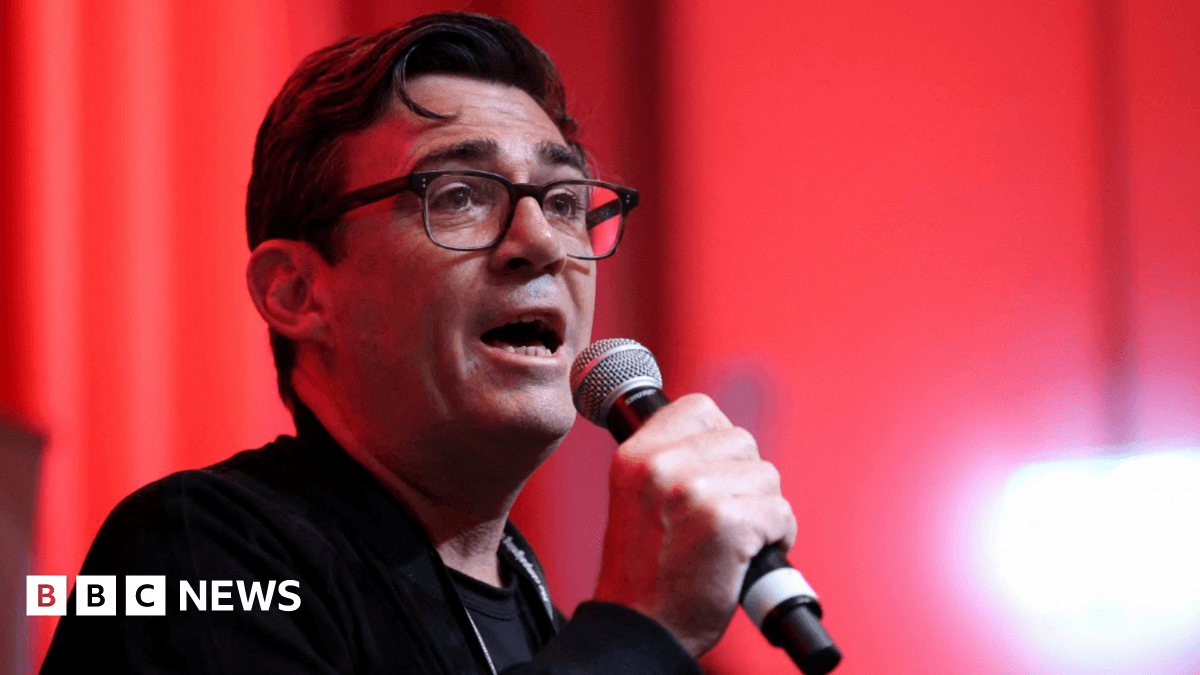
Labour’s ruling National Executive Committee (NEC) voted to block Greater Manchester Mayor Andy Burnham from standing in the Gorton and Denton by-election. The decision was made by a 10-member panel and returned an 8–1 outcome, with NEC chair and Home Secretary Shabana Mahmood recorded as abstaining. The vacancy followed the resignation of Andrew Gwynne.
“The 10‑member committee voted 8–1 on Sunday, with NEC chair and Home Secretary Shabana Mahmood abstaining, saying a mayoral by-election would be an unnecessary cost and would divert resources ahead of May’s local, Scottish Parliament and Senedd elections, risking Labour control in Greater Manchester.”
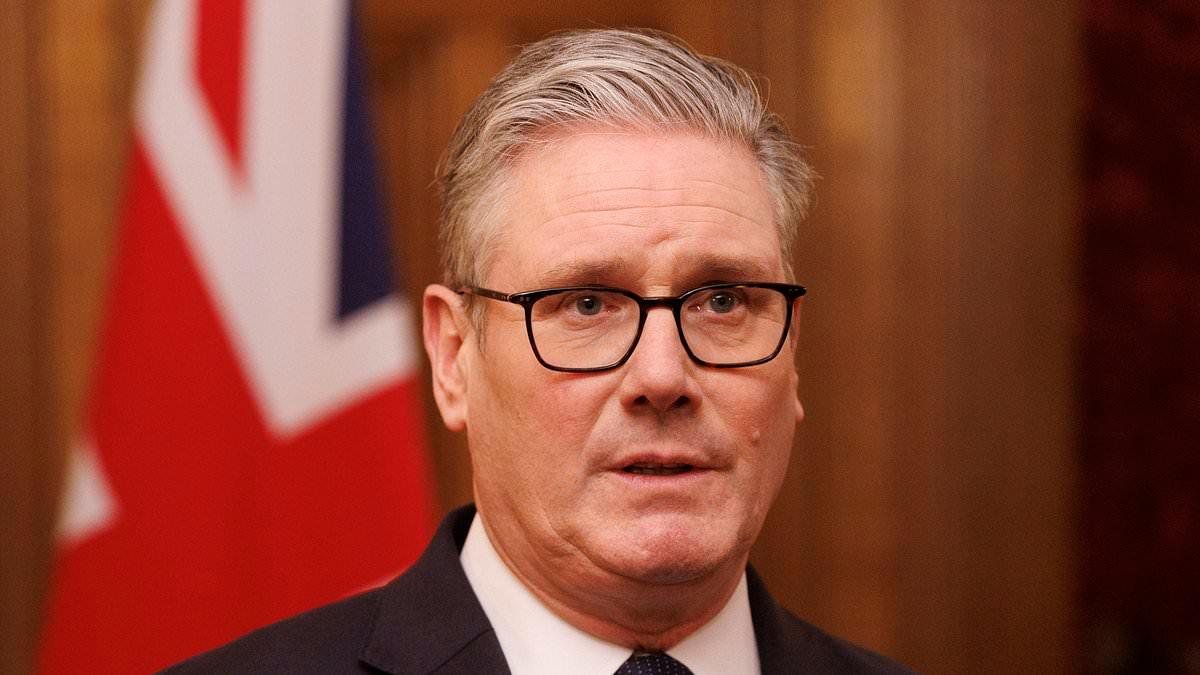
Burnham had publicly sought the nomination and was reportedly supported by more than 100 Labour MPs. The NEC and Prime Minister Sir Keir Starmer defended the ruling as consistent with party rules.
The panel’s composition and the vote count were widely reported across outlets. The party framed the decision as a way to avoid an avoidable mayoral rerun, while critics said it risked harming internal unity and electoral prospects.
Labour veto rationale
Labour and Sir Keir Starmer publicly justified the NEC's ruling on practical grounds. They said allowing Burnham to stand would risk triggering a costly mayoral by-election and divert campaigners and resources from key May local and devolved contests and from the party's cost-of-living campaigning.
Multiple outlets cite Labour's financial estimate for a mayoral rerun and the desire to concentrate resources against Reform UK as central reasons for the veto. Starmer urged unity behind the leadership's strategic prioritisation.
Labour backlash over ban
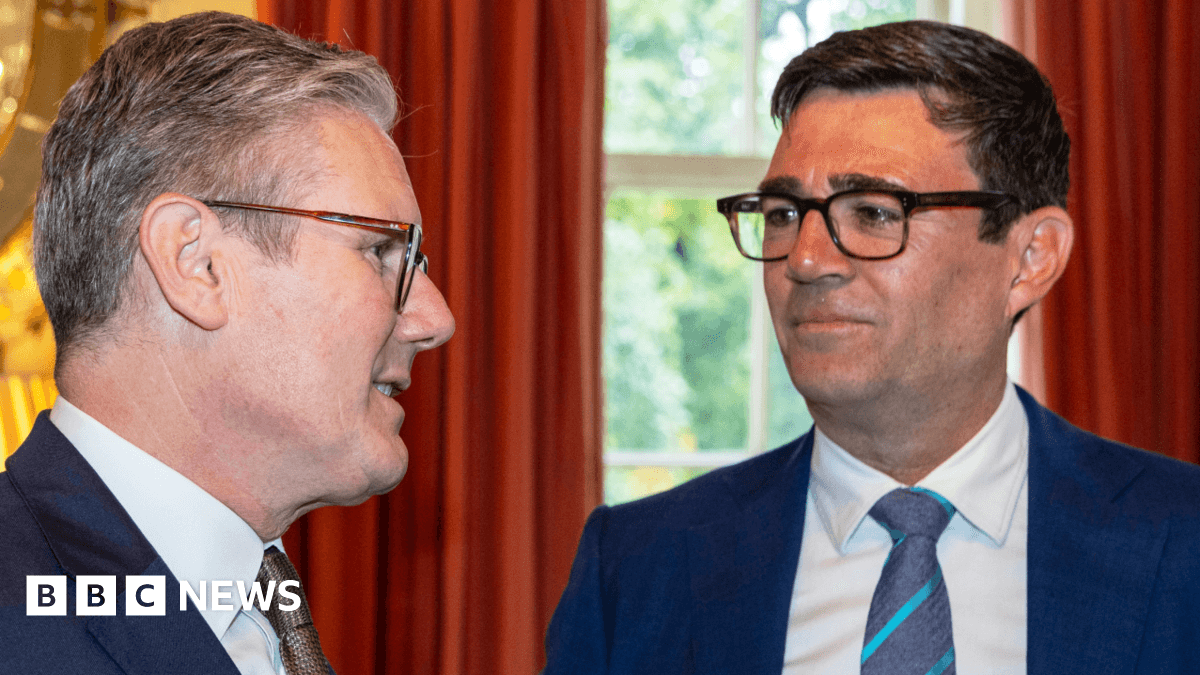
The ruling provoked a formal backlash inside Labour: around 50 MPs and several peers signed a letter asking the NEC to "re-evaluate" the ban, arguing there was "no legitimate reason" to bar Burnham and warning the move could hand the seat to Reform UK. Trade unions including TSSA and Unison publicly criticised the decision, and several senior figures and backbenchers described the move as an "own goal" or factional. Some MPs and union leaders urged unity behind Starmer, while others warned the ban risks electoral fallout ahead of the May contests.
“Around 50 Labour MPs — and about half a dozen peers — have signed a letter to Sir Keir Starmer, NEC chair Shabana Mahmood and party general secretary Hollie Ridley asking the party’s National Executive Committee to ‘re‑evaluate’ its decision to block Greater Manchester Mayor Andy Burnham from standing in the upcoming Gorton and Denton by‑election.”
Response to NEC ruling
Burnham said he was 'disappointed', pledged to focus on his mayoral duties and urged party unity. He also complained that he learned of the NEC decision via the media. Labour officials denied leaking the ruling and said they had tried to contact him.
Coverage varies over the leak claim: some outlets report Labour's categorical denial and attempts to call Burnham. Others note later acknowledgements that a leak may have occurred and quote internal sources saying confidential NEC meetings have leaked before.

By-election polling and betting
Commentators and bookmakers immediately flagged electoral risk following reports of polling and betting shifts. Several sources indicated that without Burnham, Labour’s chances decline, potentially boosting Reform UK or the Greens. Some alternative and West Asian outlets cited polls placing Labour behind Reform and the Greens in Gorton and Denton.
“Gorton and Denton is a traditional Labour seat, but recent polls and Electoral Calculus put Labour (about 20%) behind Reform UK (33%) and the Greens (24%); Burnham’s high profile could still consolidate support.”
Mainstream coverage noted bookmakers shortening odds and Reform’s leader saying Burnham’s absence improves his party’s prospects. Many pieces warned that a poor February by-election result could raise broader questions about Labour’s momentum ahead of May.