Iran · 07 May, 2026 · 3 min read
Lars Klingbeil Says Donald Trump’s Iran War Hurts Germany’s Economy And Public Finances
German projections show billions in lost tax revenue through 2030 due to Iran war. Global energy shock from Iran conflict drives higher energy prices and slows growth.
How much is cut for 2026–2030.
6 of 8 outlets skipped it: LIGA adds UN/health impact statistics from US spending.
BBC was read line by line by the Watchdog: 4.6. See the score →
13outlets compared
Same story, two versions
tap a side to read it in full
Different totals change perceived magnitude of the fiscal shock.
Tax hit from Iran war
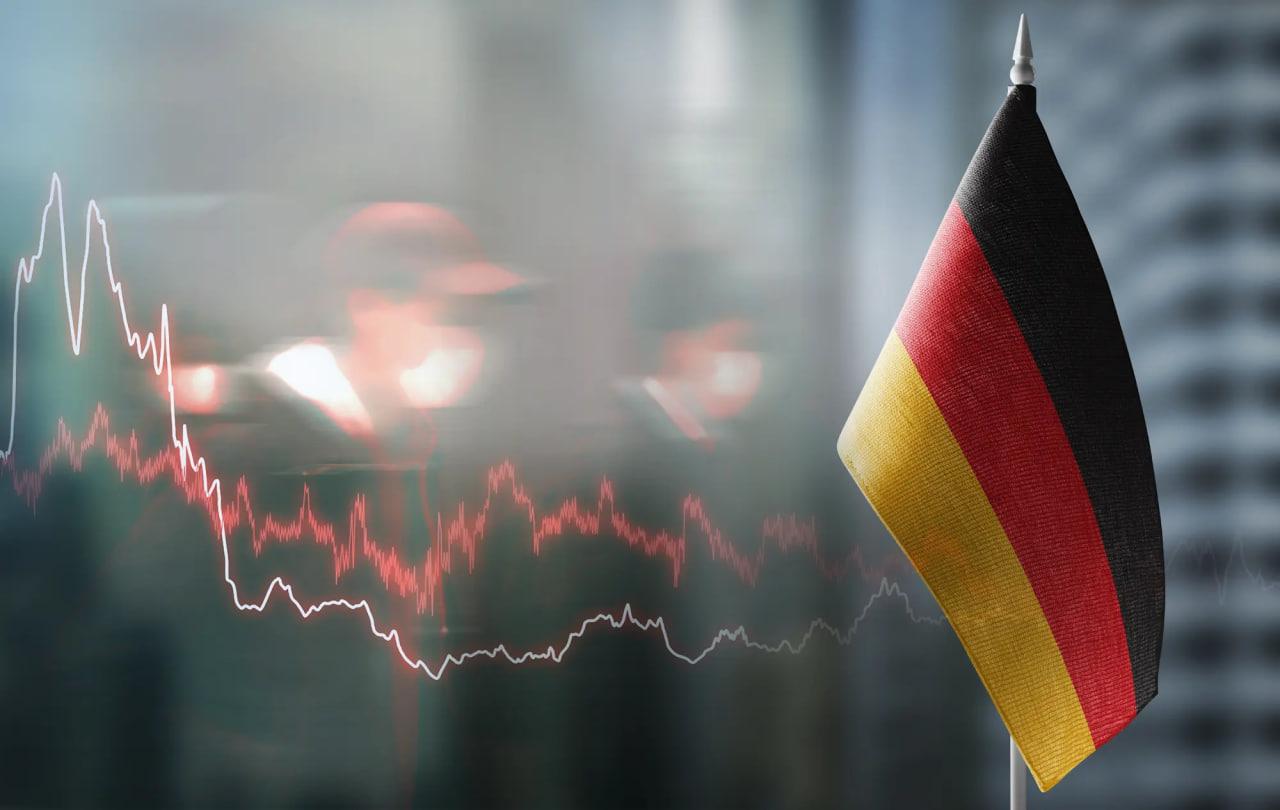
Germany’s Finance Minister Lars Klingbeil blamed Donald Trump’s “irresponsible war” on Iran for a slowdown in Germany’s economy and public finances, saying the conflict and a resulting jump in energy prices are weighing on the country’s economy. Klingbeil told reporters in Berlin that the “Iran war, which was triggered by Donald Trump” and the “resulting energy price shock” are “slowing down our positive economic momentum.” Germany’s projected tax revenue for 2027 is about €10.1 billion ($11.9 billion) below an October forecast, and the latest estimate expects the federal government, states and municipalities to collect a combined €87.5 billion ($103 billion) less than previously projected over the next five years.
““To put it bluntly: this war is costing us money,” Klingbeil said.”
In a separate report, Germany’s finance ministry said federal tax income for this year will reach €382.1 billion, or €9.9 billion lower than forecast in the previous estimate released in October, and that the cumulative drop over the next four years is projected to amount to €52.3 billion. Klingbeil framed the impact as direct economic cost, saying in a statement that “To put it bluntly: this war is costing us money.”

Troop threats and NATO
As the economic fallout from the Iran conflict fed into political tension, Donald Trump said on Thursday, April 30, that he was considering a reduction of U.S. armed forces stationed in Italy and Spain, accusing the two NATO allies of having provided no help to the United States since the start of the war in Iran. In the Oval Office, Trump said, “Italy has given us no help and Spain has been odious, absolutely odious,” before answering positively to the question of a troop withdrawal: “probably, I will do it, no doubt.” The same report said the day before Trump had announced he was examining a reduction of personnel in Germany, and it tied the threats to remarks by Chancellor Friedrich Merz at a high school assembly.
The BBC reported that last month Merz infuriated Trump with his suggestion that the White House had been “humiliated” by Iranian negotiators, prompting Trump to threaten to withdraw thousands of U.S. troops from bases in Germany. BThe BBC also said the downgrade in expected tax revenues for 2026–2030 was “around €70bn ($82bn; £60.52bn),” and that Klingbeil linked the change to a “global energy shock.”B

Ceasefire, blockade, and stakes
The BBC said the warring sides are observing a ceasefire, meant to lead to a deal to end the war, and it reported that on Wednesday Trump said the war would be “over quickly.” BThe BBC added that Iran says it is considering a US proposal to end the war, but that negotiations have stalled as the US has imposed a blockade on Iranian ports and tried to open the Strait of Hormuz to allow nearly 2,000 ships stranded in the Gulf since February to pass through unharmed. BIn the same BBC account, Germany’s coalition government was described as struggling to boost the economy with high energy costs and weak demand for exports, while the conflict raised fears of a global economic downturn.B
Lars Klingbeil told reporters in Berlin that the outlook remains clouded by “major uncertainties” and will require continued crisis management, and he said Germany must become more resilient and less dependent on external shocks. In the LIGA.net report, Klingbeil also said that from an economic point of view the best solution would be to achieve peace as soon as possible, but that he does not see any preconditions for this at the moment.