Crime10 February, 20262 min read
Lawmakers Access Unredacted Epstein Files, Accuse DOJ of Shielding Six Powerful Men
This article is an automated aggregation of coverage from news outlets. Our editorials offer in-depth analysis curated by the NewsCord team.
Members of Congress reviewed unredacted Justice Department files on Jeffrey Epstein. Justice Department redactions concealed the identities of at least six powerful men.

6 outlets told this the same way.
Redactions in Epstein files
Lawmakers from both parties reported finding heavy redactions in millions of Justice Department pages released under the Epstein Files Transparency Act.
“Lawmakers who reviewed Justice Department files from the Jeffrey Epstein investigation say many documents remain improperly redacted.”
Two House Republicans, Reps. Thomas Massie and Ro Khanna, said they found references to six prominent men in the material they inspected.

Members were allowed to review about three million documents in a secure DOJ reading room under strict conditions.
Lawmakers say many names and passages remain blacked out and that being named in the files is not proof of guilt.
The disclosures have renewed scrutiny of how the DOJ applied the statute's narrow redaction limits and intensified pressure on the department to explain its decisions.
DOJ document review restrictions
Lawmakers described highly restrictive review conditions that limited their ability to process the sprawling collection. Reviewers could inspect files only on DOJ computers in a secure reading room, were barred from electronic devices, could take only handwritten notes, and had to give 24 hours' notice.
The collection itself is vast, roughly three million documents totaling more than six million pages held by the DOJ. Members warned the current access rules make a complete review extremely slow, estimating it could take years for a small team to go through everything.
Epstein files redaction dispute
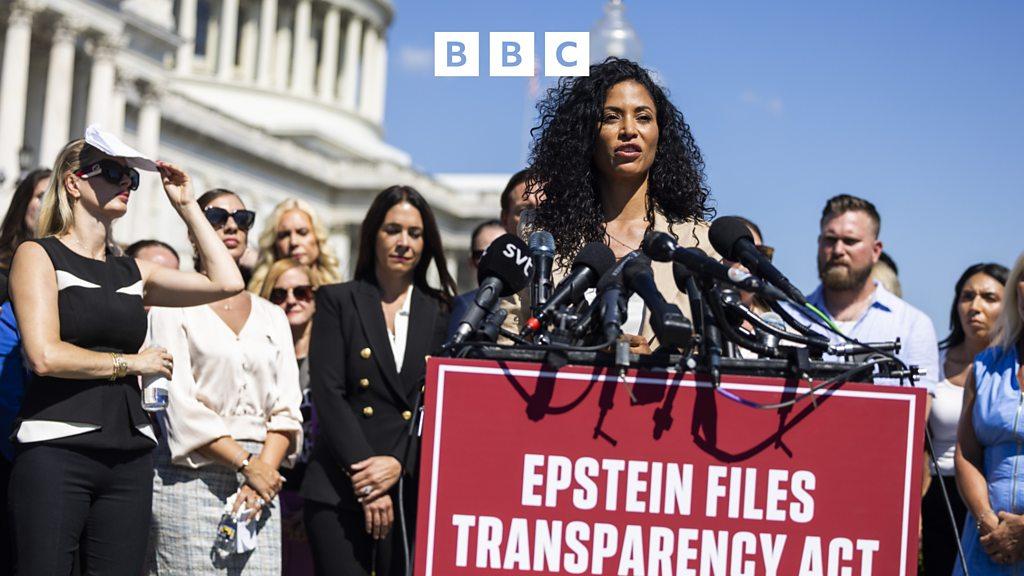
At the center of the dispute is how the law's narrow redaction permissions have been interpreted. The Epstein Files Transparency Act permits redactions primarily to protect victims and bars withholding material on the basis of embarrassment, reputational harm, or political sensitivity for officials and public figures.
“The Epstein Files Transparency Act requires release of all unclassified DOJ records related to Epstein, allowing redactions only narrowly (mainly to protect victims) and barring redactions for 'embarrassment, reputational harm, or political sensitivity' for officials, public figures or foreign dignitaries.”
Lawmakers and committee Democrats say many redactions appear to fall outside those limits. The Justice Department has defended its approach, saying some pages are withheld under attorney–client privilege and deliberative-process protections and that it has valid legal grounds for keeping roughly 200,000 pages from immediate review.
Redactions and named individuals
Lawmakers described specific items and redactions that alarmed them. Massie and Khanna reportedly identified six likely-implicated individuals, including a 'high‑ranking foreign official' and a 'prominent individual'. Massie later said he might name them on the House floor to avoid legal challenges, and he posted an image he said showed a redacted 'well known retired CEO'.
Separately, the files include a passage referring to a 'littlest girl' that drew attention and debate over whether such material should be redacted. Lawmakers stressed that being named in files is not proof of culpability.

DOJ file release review
The release and review of the files followed bipartisan pressure and a law signed by President Trump that narrowed the Department of Justice’s ability to withhold material. Lawmakers said they will continue to press the department and seek testimony from state actors such as former Florida attorney general Pam Bondi. They warned the slow, restrictive process could take years to complete.
“Lawmakers, including Nancy Mace, are continuing reviews and have asked Attorney General Pam Bondi to testify; members say the process will be slow and aim to pressure DOJ to unredact names and other material.”
The DOJ defended its redactions and signaled limited prosecutorial follow-up. Committee members said they will keep pushing for more transparency and for an explanation of redaction decisions.
