Syria02 May, 20267 min read
Leaked Clips Show Torture And Organ Harvesting At Damascus’ Tishreen Military Hospital
This article is an automated aggregation of coverage from news outlets. Our editorials offer in-depth analysis curated by the NewsCord team.
Leaked clips depict torture of detainees at Damascus's Tishreen Military Hospital during Assad era. Clips sparked widespread condemnation and outrage on social media.
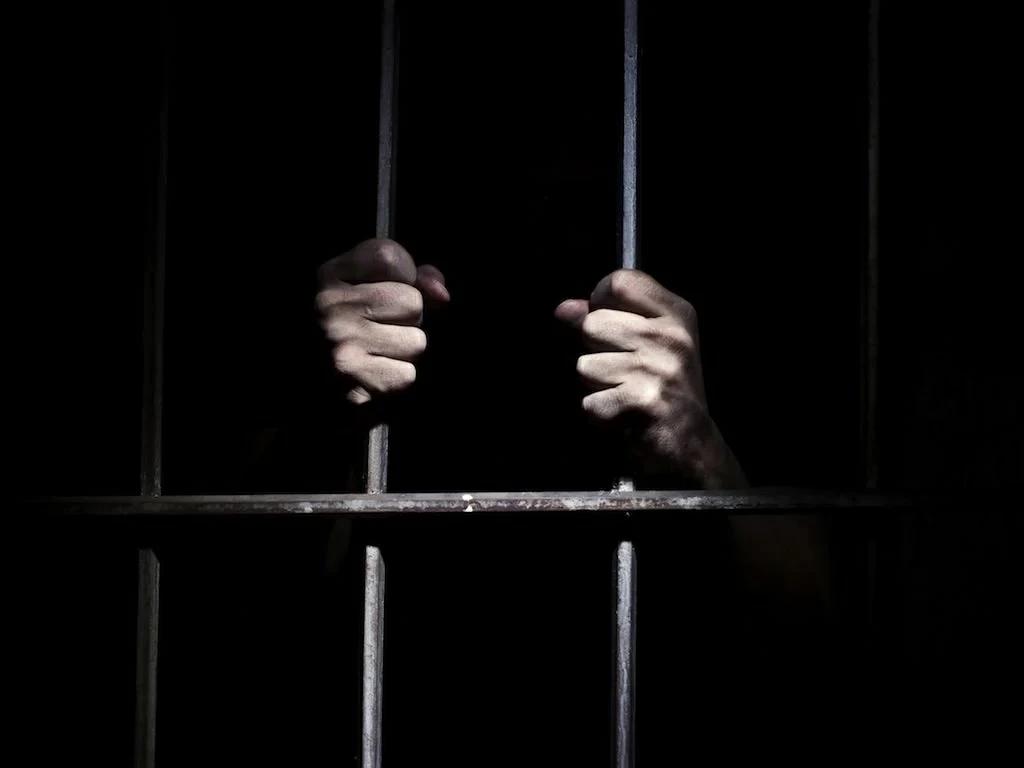
Damascus hospital torture leaks
Damascus’ Tishreen Military Hospital became the focus of a new wave of online outrage after Syrians circulated videos they said were filmed inside the facility, showing torture of detainees and acts of organ harvesting. The material was released under the label “leaked files,” and The New Arab monitored clips via a Telegram channel named “Leaked Files,” where one recording showed scenes of organ theft from detainees by doctors at the hospital. In a separate report, Al-Quds Al-Arabi said a set of video clips published “at dawn on Thursday” documented torture of Syrian detainees inside medical facilities, while activists linked the footage to Tishreen Military Hospital and other media outlets reported the clips were not recent.
“A Facebook page named Leak Files published today, Thursday, video clips and photos that it said document torture of Syrian detainees during the era of the ousted president Bashar al-Assad, at several sites, including Tishreen Military Hospital.”
The clips described by Al-Quds Al-Arabi included “seven detainees tied to beds in a room inside a medical facility,” with one detainee bound with “his head and eyes covered” and a “white bandage on his leg,” and another detainee shown with “his hands bound to the bed rails above his head” as a soldier “stomps on his abdomen.” Al-Jazeera Net also described the Facebook page “Leak Files” as posting “video clips and photos” that it said document torture of Syrian detainees during the era of the ousted president Bashar al-Assad, “at several sites, including Tishreen Military Hospital.” Across the coverage, the central claim was that the videos show detainees being abused inside military medical facilities and that some footage includes surgical operations “allegedly performed to extract human organs.”

Arrests and prior convictions
The leaks described by The New Arab were framed as arriving after Damascus Security Directorate announced the arrest of Dr. Bassam Ali, described as a former officer at Tishreen Military Hospital and among the doctors accused of involvement in crimes against detainees.
The New Arab reported that the doctor was accused of “torturing and killing detainees,” and of involvement in “the trade in human organs and extortion of the families of detainees,” with the Syrian Ministry of Interior saying investigations aim to uncover the criminal network and potential partners and that the case is “also pending his referral to the judiciary.”
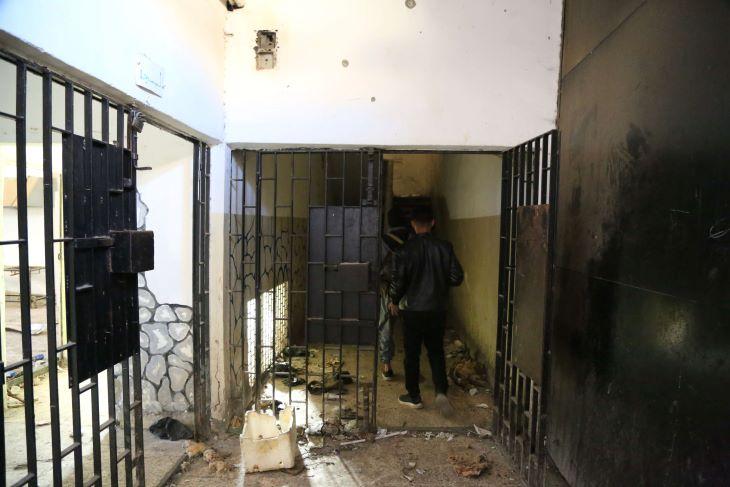
The same report placed the hospital’s role in a longer timeline, saying the Tishreen Military Hospital was established in 1982 under the Bashar al-Assad regime and that, “at the start of the Syrian uprising in 2011,” it turned into a center for “torture, killing, and organ trafficking,” especially for detainees transferred from Sednaya Prison.
The New Arab also cited a German court conviction in June 2024, saying a German court convicted Dr. Alaa Musa of torturing and killing detainees at a military hospital and at one of the military intelligence facilities, and that he was sentenced to life imprisonment for crimes against humanity including “setting prisoners on fire and performing surgeries without anesthesia.”
Al-Quds Al-Arabi’s account emphasized that the clips triggered outrage while narratives about their timing conflicted, noting that Zaman al-Wasl said the materials “date from 2011–2013” and that some had been published earlier.
In parallel, Taqed’s fact-checking report said a circulating photo claim was misleading and that the image was old, previously published in 2019 as detainees from the Islamic State handed over by the SDF to Iraqi authorities, underscoring that not all “leaked” visuals match the claimed moment.
Voices: lawyers, activists, media
The New Arab quoted Ghazwan Qarnfal, head of the Association of Free Lawyers, describing the allegations as supported by documentation from human rights groups and by “sources confirmed to us.” Qarnfal said “there are hundreds of cases documented by credible human rights organizations with expertise in documentation, such as the Syrian Network for Human Rights and the Violations Documentation Center,” adding that “these prove that human organs were surgically removed from detainees and from those injured who were arrested and transported to military hospitals.” He further asserted that detainees were “executed and their organs taken,” and that “there are networks of doctors, nurses, and security personnel involved in that trade.”
“There were human beasts who were carrying out their crimes inside a place that was supposed to be for medicine and treatment.”
Al-Quds Al-Arabi amplified the outrage through activist Omar Ibrahim al-Yasin, who said: “There were human beasts who were carrying out their crimes inside a place that was supposed to be for medicine and treatment.” In the same piece, Yasin argued that “the legal and moral duty requires the arrest of everyone who worked inside those corridors — a military doctor or nurse or staff member,” insisting “there is no innocent in a place where a crime of this magnitude is committed.” Al-Quds Al-Arabi also quoted media figure Mohammad Mansour, who wrote that “The leaked images from Tishreen Military Hospital show that Syria, ruled by Assad and his Alawite sect, was an open theater for torturing people and crushing their dignity.”
Another voice in Al-Quds Al-Arabi, journalist Amal Rajeh, described a 2012 account from a friend who was a medical student at Tishreen Military Hospital, saying the friend “was in a nearly collapsed mental state and needed to talk about the horrors he had witnessed inside the hospital.” Al-Jazeera Net added a different kind of testimony from activists, including a line attributed to a survivor: “I swear to God I could not bear more than two seconds of watching the leaked clips of torture and removal of detainees' organs at Tishreen Military Hospital.”
Disputed timing and verification
While multiple outlets described the “Leaked Files” material as shocking evidence of abuse, the sources also show sharp disagreement over whether the clips are truly recent and whether they can be verified as filmed at Tishreen Military Hospital. Al-Quds Al-Arabi reported that “activists suggested a link to the Tishreen Military Hospital in Damascus,” but said “media sources reported that they date from earlier years and are not recent leaks.” It added that Zaman al-Wasl said the clips “are not new, but date from 2011–2013,” and that “some of these materials have not been verified as having been shot at Tishreen Military Hospital.”
Taqed’s verification report directly challenged at least one widely shared visual claim, saying posts on Facebook and X claimed a photo was taken from recently leaked videos, but that “the Taqed platform’s team verified the claim ... and found the claim misleading.” Taqed said a reverse image search using Google Lens showed the image “is old and had previously been published in 2019 as detainees from the Islamic State handed over by the SDF to Iraqi authorities,” and that it was also “recently published as Palestinian prisoners in Israeli prisons.”
Al-Jazeera Net, by contrast, described the Facebook page “Leak Files” as publishing materials “for the first time,” while also stating that “some of these clips were filmed inside Tishreen Military Hospital in Damascus, while others date back to the period between 2011 and 2013.” The result across the sources is a picture where the outrage is consistent, but the evidentiary status of specific clips and images is contested, with some accounts emphasizing unverified links and others emphasizing verification of at least one misattributed photo.
Accountability and what comes next
Across the sources, the leaks are presented as renewing calls for accountability, with multiple reports describing investigations, arrests, and the preservation of materials for future legal use.
The New Arab said the Syrian Ministry of Interior stated that investigations with Dr. Bassam Ali aim to “uncover the criminal network and potential partners,” and that the case is “also pending his referral to the judiciary,” while it also described condemnation sparked by the “leaked files” label.
In Al-Quds Al-Arabi, Omar Ibrahim al-Yasin argued that “the legal and moral duty requires the arrest of everyone who worked inside those corridors — a military doctor or nurse or staff member,” and Amal Rajeh’s account added a personal dimension by describing a 2012 conversation with a medical student who “was in a nearly collapsed mental state.”
Al-Jazeera Net reported that activists and human rights organizations called for “documenting all circulated materials and preserving them within legal files, in preparation for use in any potential paths to justice,” and it described the clips as being treated as evidence of “the massacres of the Assad regime and the violations committed during the years of war.”
The same report also described a broadening of the alleged abuse beyond one facility, saying the Facebook page claimed the materials included “public torture and victims' bodies” in “public sites within Syrian territory,” with claims that regime elements filmed them at different locations.
Meanwhile, Al-Jazeera Net quoted an activist line that “I swear to God I could not bear more than two seconds of watching the leaked clips of torture and removal of detainees' organs at Tishreen Military Hospital,” reflecting the emotional intensity driving the push for documentation.
Even where verification is disputed, the sources converge on the idea that the circulation itself is forcing renewed scrutiny of medical and security roles during the Bashar al-Assad era, with The New Arab describing “networks of doctors, nurses, and security personnel” and Al-Quds Al-Arabi insisting there is “no innocent” in a place where “a crime of this magnitude is committed.”