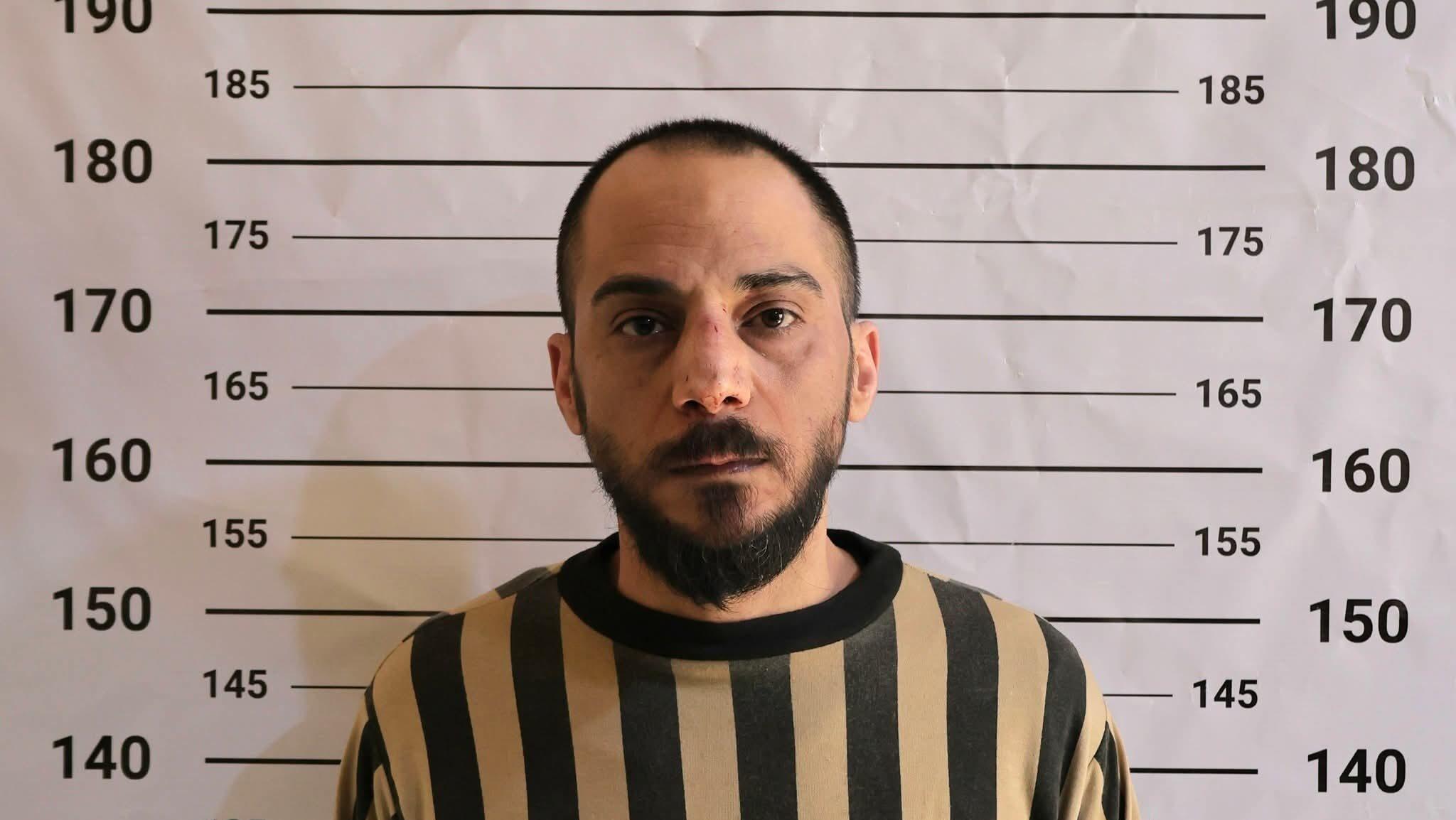
Syrian Authorities Arrest Amjad Yousef, Main Suspect in 2013 Tadamon Massacre
Key Takeaways
- Syrian authorities arrested Amjad Yousef, the main suspect in the 2013 Tadamon massacre.
- The 2013 Tadamon massacre in Damascus left at least 41 people dead.
- Arrest follows identification of him as an Assad-era security officer.
Arrest in Hama
Syrian authorities arrested Amjad Yousef, described as the main suspect in the 2013 Tadamon massacre in Damascus, and the arrest took place in the central province of Hama where he had been hiding.
Al Jazeera reported that the arrest in Hama sparked celebrations across Syria, while CBC said the Interior Ministry announced that Yousef was arrested in the central province of Hama and posted a photo of him in a striped prison uniform.
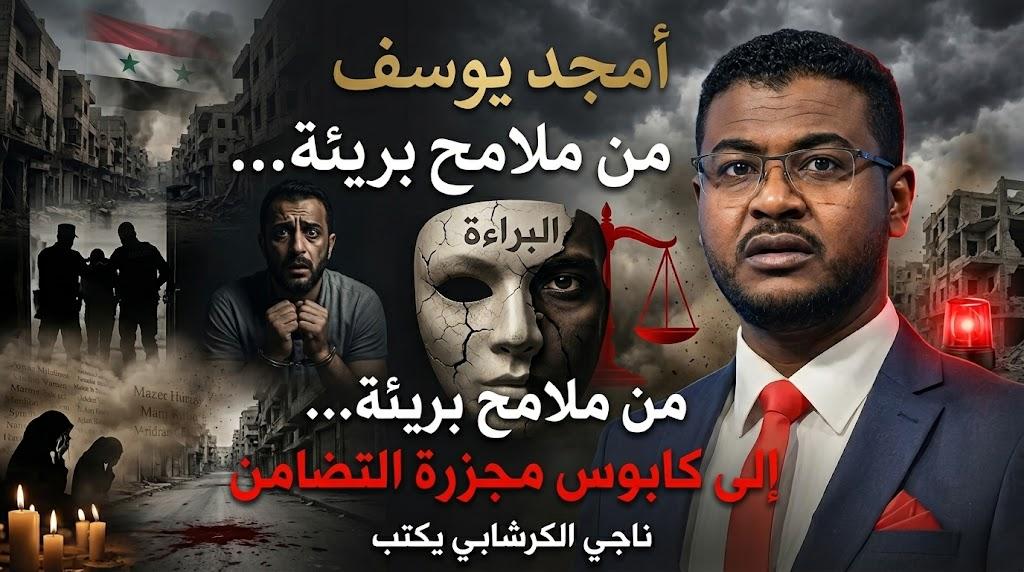
CBC further tied the arrest to a leaked video from four years ago that purportedly showed Yousef and his comrades fatally shooting dozens of people during the country’s civil war.
Al Jazeera said the arrest was in connection with a massacre in Damascus where at least 41 people were killed and put in a mass grave.
The CBC account placed the massacre in Tadamon, a suburb of Damascus near the Palestinian refugee camp of Yarmouk, and described it as a front line for much of the war between government forces and opposition fighters.
Mont Carlo International said the Interior Minister of the Syrian Interim Government, Anas al-Khatib, stated on X that “The criminal Amjad Youssef, the primary accused in the Tadamon massacre, is now in our grasp after a tightly executed security operation.”
In a separate framing, Al-Arabiya TV’s Damascus-based correspondent Omar Al-Shaikh Ibrahim said the arrest prompted celebration in Damascus and other parts of Syria, with the correspondent describing it as a “happy day” for Syrians and victims’ families.
Massacre timeline and video
The arrest revived attention on the Tadamon massacre, which multiple outlets tied to April 16, 2013, when deposed regime forces killed civilians in the Tadamon neighborhood of Damascus and threw them into a large pit.
Al Jazeera and CBC both described the massacre as involving dozens of people killed during Syria’s civil war, while Al-Jazeera Net and other outlets provided a specific date and additional details about how bodies were disposed of.

Al-Jazeera Net said that on April 16, 2013, “the deposed regime forces killed 41 civilians in the Tadamon neighborhood massacre in Damascus and threw them into a large pit,” and it added that human bones were later found in the area.
It also said that on April 27, 2022, The Guardian published a video clip, described as leaked by a fighter in a regime-loyal militia, showing Branch 227 of the regime’s military intelligence killing at least 41 people and burning their bodies in the Tadamon neighborhood.
CBC described the leaked video as a six-minute, 43-second clip showing members of Syria’s notorious Military Intelligence Branch 227 with a line of around 40 prisoners in an abandoned building in Tadamon.
CBC said the prisoners were blindfolded and their arms were tied behind their backs, and that the Branch 227 gunmen told some of the prisoners they were going to pass through a sniper’s alley and that they should run.
CBC further described the execution sequence, saying the men were pushed or kicked into a trench filled with old tires, shot as they fell, and that the gunmen later set the bodies on fire, presumably to erase evidence.
Mont Carlo International similarly said the massacre file reopened after years of revealing it through a leaked video documenting mass executions, and it described the video as showing civilians being ordered to run while deceiving them into thinking there was a sniper before firing with AK-47 rifles.
Reactions and accountability
Reactions to the arrest came from Syrian officials and from international figures, with multiple outlets quoting language about accountability and justice.
CBC reported that U.S. special envoy to Syria Tom Barrack posted on X that the arrest was “a powerful step away from impunity toward accountability, exemplifying the new paradigm of justice emerging in post-Assad Syria: one rooted in the rule of law, national reconciliation, and the equal application of justice regardless of past affiliations.”
CBC also quoted Ahmed Adra, a Tadamon resident and member of the neighbourhood committee, saying victims’ families had been celebrating in the streets since morning and adding, “We will take white roses and plant them at the site of the massacre and tell the victims that their memory is alive and that justice is being served.”
CBC included another quoted reaction from Shahoud, who told Reuters that she felt safe with Yousef in custody but said the path to justice was unclear, adding, “I feel safe now, despite the distance, because I always felt for years that this person was after me.”
Al-Arabiya TV’s correspondent Omar Al-Shaikh Ibrahim said the Syrian street awaited a “more precise disclosure of the details of this operation,” and he described the next path as “accountability and prosecutions.”
The same Al-Arabiya TV report said the first official response came from Syria’s Transitional Justice Authority, which stated that arresting the defendant was “a pivotal step in achieving justice,” and stressed that “these crimes do not prescribe with time.”
Mont Carlo International added that the arrest reopened questions of transitional justice and described the detention as a step that revived discussion on social media and news outlets.
In a different tone, Al Jazeera said the arrest in Hama sparked celebrations across Syria, placing public reaction alongside the official announcement.
Competing casualty and victim counts
While the arrest was widely described as targeting the main suspect in the Tadamon massacre, the sources diverged on how many victims were killed and how many were Palestinian refugees.
Al Jazeera said at least 41 people were killed and put in a mass grave, while CBC described the massacre as involving dozens of people and said the video showed around 40 prisoners in an abandoned building in Tadamon.

Al-Jazeera Net, however, asserted a much larger number, saying that “the number of massacre victims was 288 civilians, including Palestinian refugees,” and it also claimed that “40 to 50 civilians were killed at a single site.”
Al-Jazeera Net further said the group documented “the death of 58 Palestinian refugees from Tadamon residents,” including “7 women who perished in the events,” and it added “21 cases of extrajudicial execution.”
It also described documented testimonies, including a Palestinian woman who “lost a family of 11 people,” and it referenced a Palestinian family telling the Syrian verification platform Taqdeer that their son Wasim Siyam disappeared from the Yarmouk Camp on April 14 and was among the victims.
The same Al-Jazeera Net report said that “the majority of the victims in the massacre were Palestinian,” but it also stated that this hypothesis “has not been officially confirmed amid ongoing security investigations.”
In contrast, the Mont Carlo International account said the massacre claimed the lives of “at least 41 civilians, Palestinians and Syrians, including women and children,” and it tied that figure to leaked videos and human remains found after the fall of the former Syrian regime.
Al-Arabiya TV’s report said the Tadamon massacre occurred on April 16, 2013, “claiming the lives of 41 civilians,” and it added that “most of them Palestinian refugees,” including “seven women.”
These differences show how the same event is presented with different scales of death and different emphases on Palestinian victims, even as all accounts anchor the case to the same suspect and the same neighborhood.
Next steps and transitional justice
The arrest was presented across outlets as a step that would lead to further questioning, prosecutions, and broader transitional justice efforts, but the sources also described uncertainty about how far accountability would extend.
CBC said the Interior Ministry stated that authorities would go after all those involved in the Tadamon shooting to bring them to justice, and it added that since insurgents ousted Bashar Assad in December 2024, dozens of members of the former president’s security agencies blamed for atrocities during the conflict have been arrested.

CBC also noted that last year, security forces in Syria said they arrested three people involved in the same killings, and it described a U.S. State Department ban on entry into the U.S. of Yousef, his wife and immediate members of his family in March 2023.
Al-Arabiya TV said the Interior Ministry and relevant authorities were expected to question Amjad Yusuf to obtain information about other individuals who participated in the crime, and it stated that after completing investigations he would be handed over to the Ministry of Justice to pursue the judicial path.
The same Al-Arabiya TV report said the judicial path is likely to fall within the powers of the Transitional Justice Authority, “given the nature of the crimes committed,” and it referenced “the decree that established the Authority.”
Al Jazeera’s report described the arrest as the main suspect being taken into custody, while the Al-Jazeera Net report said Syria’s representative to the United Nations, Ibrahim Albi, called on the international community to hand over to his country all “fugitives” criminals.
Mont Carlo International described the arrest as reopening the file on war crimes in Syria and as raising questions of transitional justice, while also describing how the news spread quickly through social media and news outlets.
In the same vein, Al-Arabiya TV’s correspondent Omar Al-Shaikh Ibrahim said the Syrian street awaited a more precise disclosure of the details of the operation, and he framed the next path as accountability and prosecutions.
Taken together, the sources portray an immediate investigative phase in Hama and a longer judicial and transitional justice process that depends on further arrests, questioning, and handover to justice institutions.
More on Syria
Syria Begins Public Trial of Atif Najib in Damascus as Bashar al-Assad Appears In Absentia
27 sources compared

FBI, House Oversight Committee Probe Deaths and Disappearances of U.S. Nuclear, Aerospace Scientists
13 sources compared

Damascus And SDF Hold Consultations To Implement January Agreement In Hasakeh
11 sources compared

Chemical Leak Kills Two at Catalyst Refiners Plant in Institute, West Virginia
10 sources compared