Syria · 30 April, 2026 · 7 min read
Syrian Commission Prepares War Crimes Charges Against Fadi Saqr Over 2013 Tadamon Massacre
Syrian rights commission preparing war crimes case against Fadi Saqr. Saqr was a former commander of the National Defence Forces.
Framing of accountability: milestone justice vs vivid on-the-ground impact.
5 of 6 outlets skipped it: the Tadamon death toll figure of 288 civilians (including 12 children) is reported only by one outlet (Streamlinefeed)..
65outlets compared
Same story, two versions
tap a side to read it in full
The Guardian
“Judicial proceedings against the former militia chief would be an important milestone for Syria, which has grappled with how to establish transitional justice after more than a decade of war left hundreds of thousands dead.”Read the original ↗
Le Monde.fr
“Hundreds of civilians, residents of the southern part of the Syrian capital, were executed in the 2010s by the security services and militias of the old regime.”Read the original ↗
Shows a contrast between the Guardian’s framing of a formal milestone in transitional justice and Le Monde’s immersive, visceral portrayal of the mass killings, emphasizing human impact over procedural milestones.
War crimes case readied
A Syrian transitional justice commission is preparing war crimes charges against former militia commander Fadi Saqr, targeting his alleged orchestration of the 2013 Tadamon massacre in the southern Damascus neighborhood of Tadamon. Streamlinefeed.co.ke says the commission is “meticulously assembling a comprehensive war crimes case” against Saqr, describing the legal effort as a shift in Syria’s “fragile postwar environment.” The Guardian similarly reports that the commission is preparing a case accusing Saqr of involvement in “crimes against humanity and war crimes,” and says Saqr is a former commander of the National Defence Forces (NDF) militia.T
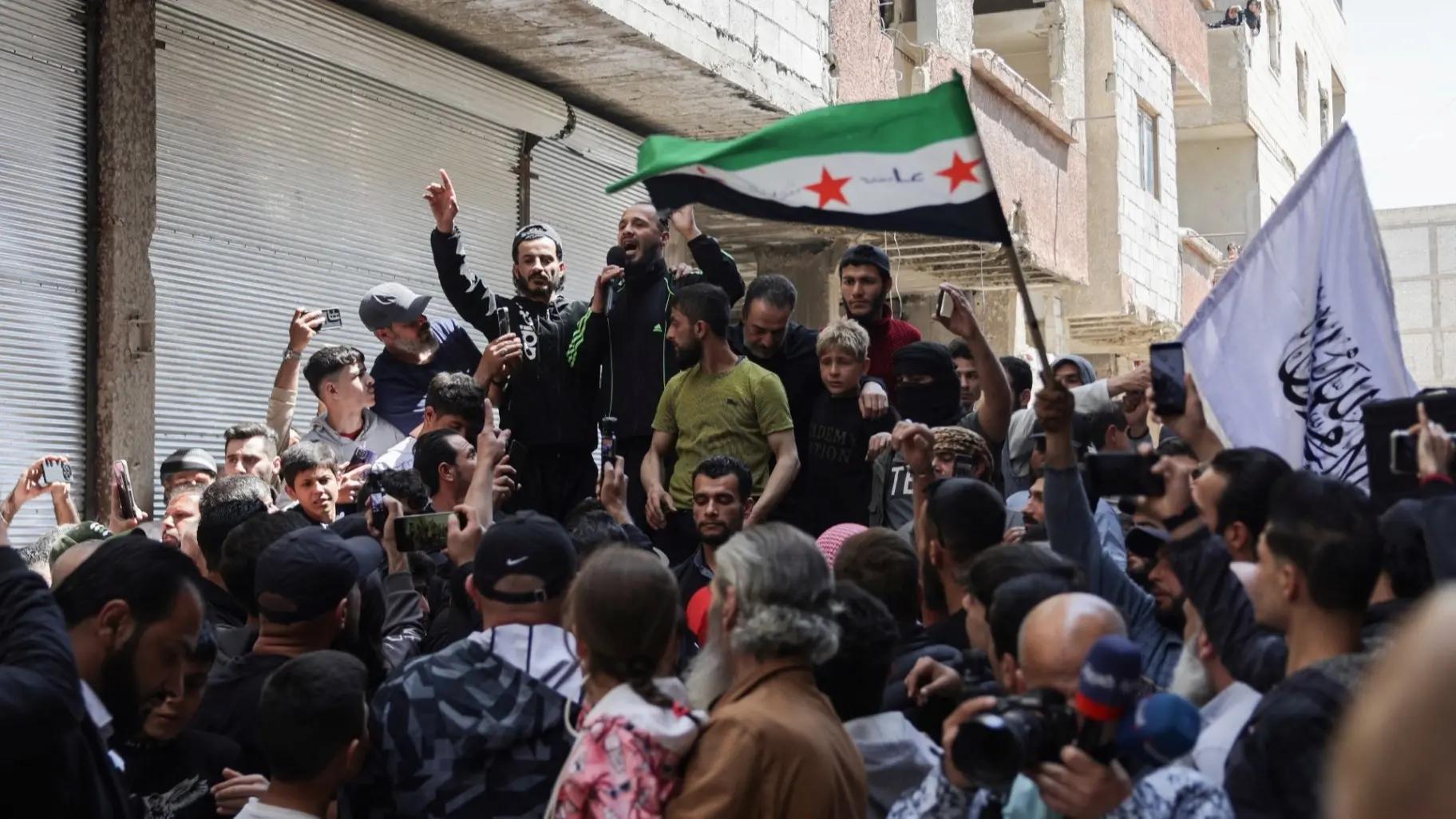
Zahra al-Barazi, deputy chair of the National Commission for Transitional Justice, is quoted in multiple outlets saying, “There is absolutely enough evidence against Saqr,” and that “No one is above the law.” The Tadamon neighborhood is described across the reporting as a site where civilians were executed in the years of the conflict, with Streamlinefeed.co.ke saying “an estimated 288 civilians—including twelve children” were killed.
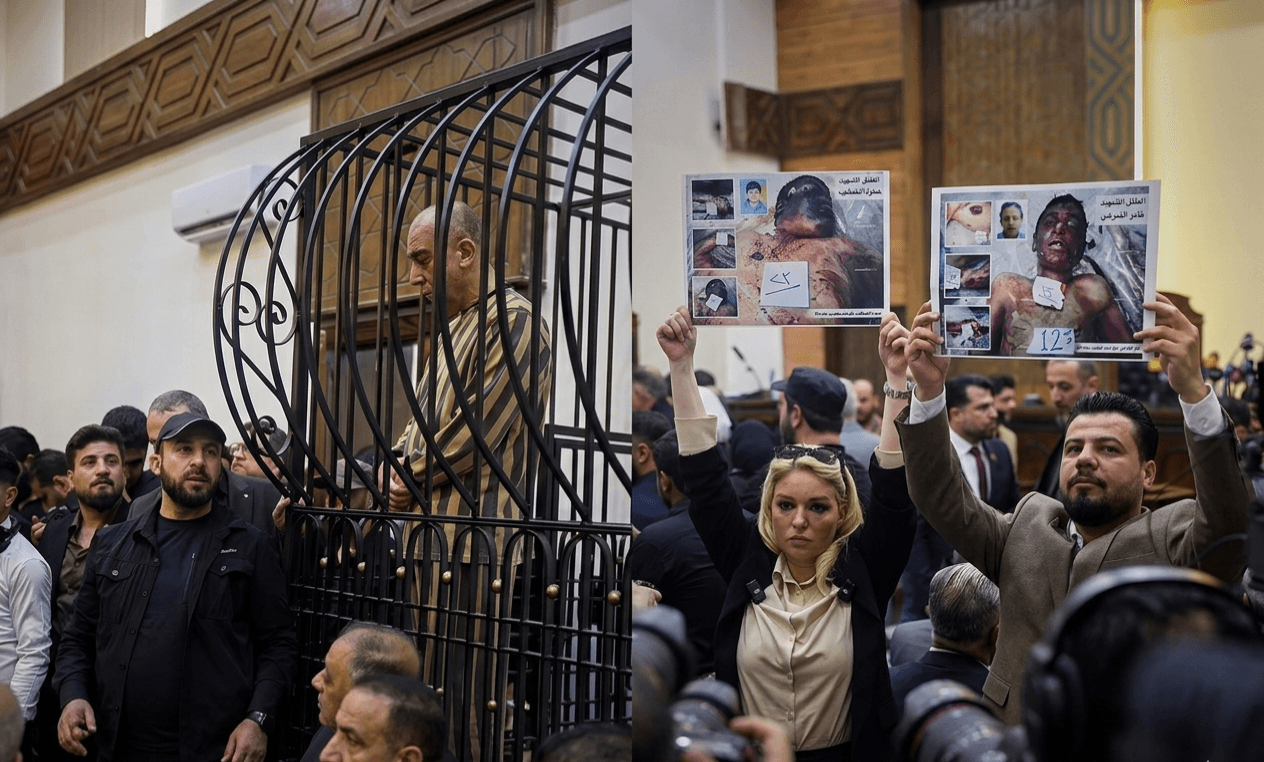
The same Streamlinefeed.co.ke account says the commission’s momentum followed the “recent, highly publicized arrest of key perpetrator Amjad Youssef,” while The Guardian says Syrian authorities arrested Amjad Youssef “last week.” TIn the Guardian’s account, leaked videos from a former intelligence officer’s laptop documented “nearly 300 civilians” being killed by regime forces in Tadamon in 2013, and the Guardian says it published footage in 2022 showing Youssef ordering blindfolded civilians to run forward while he shot at them.T
From Assad-era crimes to transitional justice
The reporting ties the Saqr case to Syria’s broader transitional justice framework, including the creation of a transitional justice commission by presidential decree and the subsequent work of courts and prosecutors.
Asharq Al-Awsat English says Syria’s president issued a decree on May 17 establishing a transitional justice commission to “uncover violations by the former regime, hold those responsible accountable, and provide redress to victims,” and it says the decree appointed Brig. Gen. Abdul Basit Abdul Latif to lead the body and tasked him with forming a team and drafting internal regulations within 30 days.

Asharq Al-Awsat English also says the commission will examine complaints related to the Assad government’s crackdown on protests that began in March 2011, and it lists alleged violations including “chemical attacks,” “widespread aerial bombardment with barrel bombs,” “arbitrary detention,” “enforced disappearance,” and “systematic torture in detention centers.”
The same outlet reports that Syria’s judiciary has begun investigating four senior figures from the former regime accused of war crimes against Syrians, even as the National Transitional Justice Commission had yet to complete formation of its council, and it quotes Commission head Brig. Gen. Abdul Basit Abdul Latif saying, “Referring the four former regime figures to the courts falls within the path of transitional justice.”
In the Saqr-specific reporting, Streamlinefeed.co.ke says the newly established transitional government “controversially collaborated with Saqr on various security files” after the “stunning ouster of Assad in December 2024,” prioritizing “immediate stability over immediate justice.”
The Guardian describes the same post-Assad collaboration as a cause of anger among victims, saying “Syria’s new government collaborated with Saqr on security files, causing anger among victims who had sought accountability for his alleged crimes.”T
Channel المشهد (قناة ومنصة المشهد) adds that this cooperation drew criticism from victims and activists, and it says Zahra Al-Brazi described the commission as independent and forwarding findings to the Syrian judiciary.
Voices from Tadamon and officials
The reporting includes direct testimony and statements from multiple figures, linking the Tadamon killings to command responsibility and describing the commission’s evidence-building process.
“He was useful for certain reasons and he’s no longer useful. No one is above the law.”
The Guardian quotes al-Barazi saying, “He was useful for certain reasons and he’s no longer useful. TNo one is above the law,” and it says she told the Guardian the commission was working with victims to build a case against Saqr.T
The Guardian also quotes Ahmed al-Homsi, 33, saying, “Amjad was just a foot soldier compared to Fadi Saqr,” and it adds that “In Tadamon, nothing happened without orders from Fadi Saqr, whether it was the robberies, the arrests, the disappearances or the killings.”T
In the same Guardian report, Saqr denies responsibility and tells the paper he “only learned of the massacre through the media” and said he “trusted the judicial process,” while also saying, “Anyone proven to have committed crimes against humanity must be punished.”T
Channel المشهد quotes Zahra Al-Brazi as saying the commission works with victims and witnesses to build a legal file and that “no one is above the law” in the process.
It also quotes Ahmed Al-Homsi as saying Saqr was the “decision-maker” in operations in Tadamon, including arrests and killings, and it says he added that “what happened was done with the knowledge of the leadership.”
Streamlinefeed.co.ke adds another quoted official voice by describing Zahra al-Barazi’s statement that “There is absolutely enough evidence against Saqr,” and that “He was useful for certain reasons and he's no longer useful. No one is above the law.”
Different outlets, different emphases
While multiple outlets converge on the commission’s preparation of a case against Fadi Saqr, they frame the story with different emphases, including the legal mechanics, the evidence narrative, and the scale of alleged killings. The Guardian focuses on the commission’s independence and referral to the Syrian judiciary, saying it “will refer its findings to the Syrian judiciary, which in turn will decide whether or not to pursue the case,” and it frames the case as an “important milestone” for transitional justice after “more than a decade of war left hundreds of thousands dead.” TStreamlinefeed.co.ke similarly describes the commission’s strategy but adds that it is “currently gathering testimony from survivors and coordinating with human rights organizations that have spent years secretly documenting the atrocities,” and it says the commission intends to present a “massive dossier” to force prosecutors to act.
Channel المشهد provides a more procedural description of the evidence file, saying Zahra Al-Brazi urged residents to contribute to preparing the legal file and that the file will be referred to the Public Prosecution for consideration, with the judiciary authorized to decide on follow-up actions and issue arrest warrants. The Guardian and Streamlinefeed.co.ke also differ in the numerical description of the Tadamon killings: Streamlinefeed.co.ke says “an estimated 288 civilians—including twelve children” were executed, while The Guardian says leaked videos documented “nearly 300 civilians” being killed by regime forces in Tadamon in 2013.T

The outlets also differ on the timeline details around Saqr’s command: Streamlinefeed.co.ke says Saqr “formerly commanded” the NDF and describes the Tadamon neighborhood as a slaughterhouse, while The Guardian says Saqr became the NDF commander in Damascus in June 2013 “– two months after the public footage of Youssef’s executions of civilians by the pit was recorded.” TAsharq Al-Awsat English shifts attention to the broader transitional justice architecture by listing named defendants including Atef Najib, Ahmad Badr al-Din Hassoun, Mohammad al-Shaar, and Ibrahim al-Huweija, and it quotes Public Prosecutor Judge Hassan al-Turba saying prosecutions were launched on July 30.
What happens next
The consequences described in the reporting center on whether the Syrian judiciary will act on the commission’s dossier and whether arrests and prosecutions will follow, with victims and residents in Tadamon linking accountability to a broader end to impunity. Streamlinefeed.co.ke says the commission “intend[s] to formally present their massive dossier to the Syrian judiciary, effectively forcing prosecutors to act,” and it describes the approach as relying on “overwhelming public pressure” and “the undeniable visual evidence leaked to international researchers.” Channel المشهد similarly says Zahra Al-Brazi told residents the file would be referred to the Public Prosecution and that “the judiciary is the body authorized to decide on follow-up actions and issue arrest warrants.”
The Guardian reports that during celebrations of Amjad Youssef’s arrest, residents called for Saqr to be detained, and it quotes Ahmed al-Homsi saying, “Arresting Fadi Saqr would be much more important than arresting Amjad Yusuf; it would be like a second day of liberation.” TStreamlinefeed.co.ke frames the stakes as a test of whether the new Syrian state can transition from “mass graves and impunity” into “the unwavering rule of law,” and it says the legal strategy offers “a rare, tangible glimmer of hope” for “the traumatized families of the disappeared.”

Asharq Al-Awsat English adds that Abdul Latif said a draft law on transitional justice and serious violations is being prepared and is expected after upcoming parliamentary elections, and it quotes him saying, “Nothing is achieved easily,” while also describing that trials will cover “all types of crimes defined in the decree,” including genocide, war crimes, torture, enforced disappearance, and the use of toxic and chemical gases as defined under the Geneva Conventions. Le Monde.fr, though paywalled, underscores the urgency of evidence preservation by describing the physical traces of the massacre and quoting Bashir Hammadi, “No digging or taking anything here,” from a masked soldier, while also saying “Aside from this warning, no measures have been taken by the new authorities to preserve the traces.”