Full Analysis Summary
Imam Ali compound scrutiny
A walled, 228-unit complex on the Lebanese town of Hermel's border with Syria - the Imam Ali Housing Compound - is sheltering hundreds who fled across the frontier after Bashar Assad's fall more than a year ago.
It has become the focus of security scrutiny.
Residents, mostly Shiite and including Lebanese families long settled in nearby Syrian villages, strongly deny allegations that they are Assad loyalists or plotting against Syria's new Sunni-led authorities.
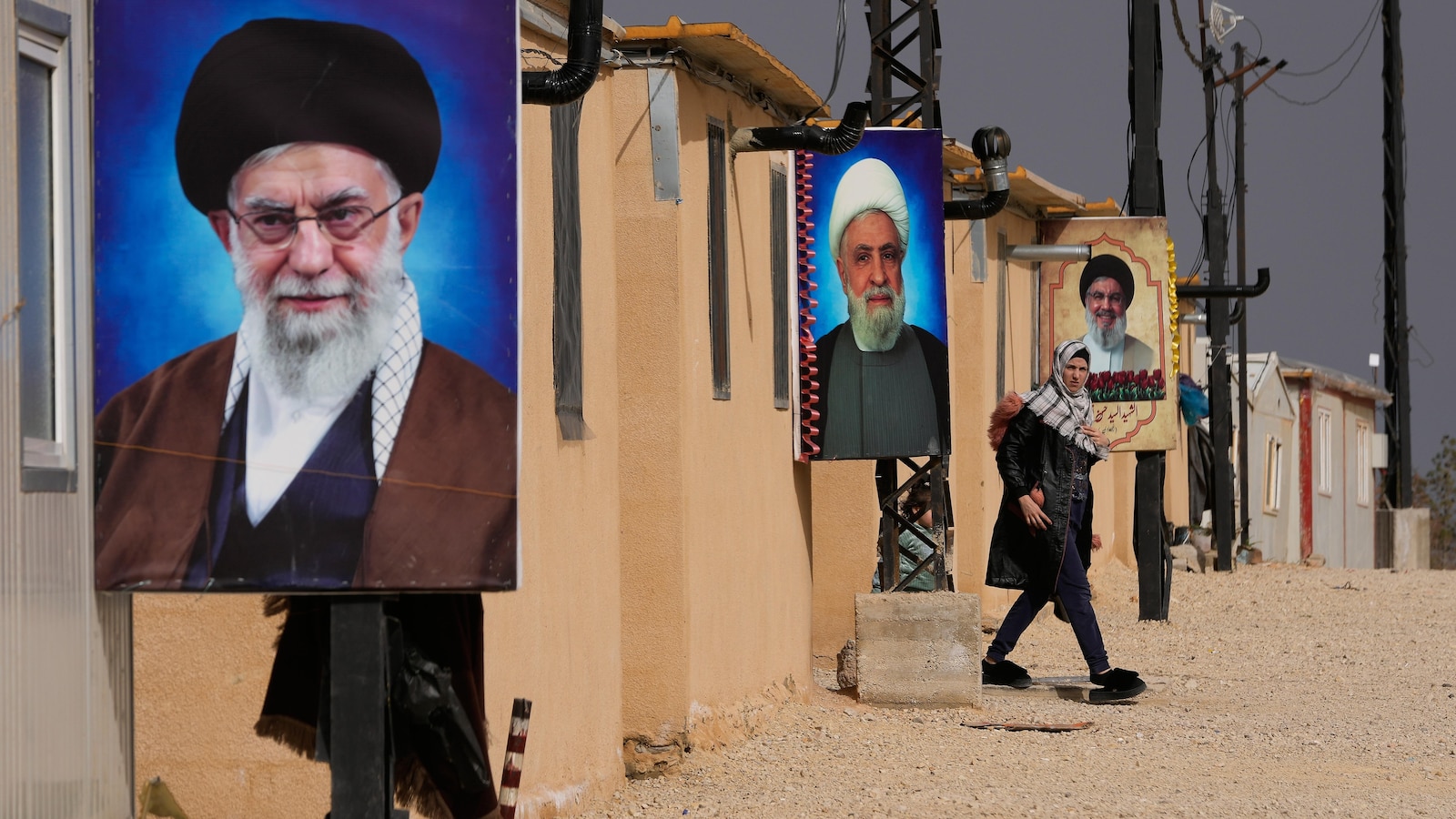
The compound's decoration with posters of Assad allies, Iranian religious figures, generals and fallen Hezbollah commanders has stoked suspicion and media claims, prompting several Lebanese army raids.
Officials reported that no armed activity was found during those operations.
Coverage Differences
Missing comparative sources
Only ABC (Western Mainstream) is provided for this topic, so direct comparisons across other source types (e.g., West Asian, Western Alternative) are not possible. Because of that limitation, I cannot identify contradictory narratives, differing tones, or omissions across sources — I can only report ABC's account and note where it frames claims as reports or quotes from critics and officials.
Tensions at Imam Ali compound
Security questioning and raids at the Imam Ali compound have raised fears among minority communities of possible post‑Assad repression and retaliation as Syria’s postwar order shifts.
Critics, including Lebanese Forces legislator Ghada Ayoub, allege the complex was built without state oversight and accuse Iran‑backed Hezbollah of recruiting there after recent battlefield losses.
Ayoub says she has asked the government for answers but received none.
Those political accusations and the visible imagery in the compound have amplified identity tensions in the area.
Coverage Differences
Missing comparative sources
With only ABC available, I cannot contrast how other outlets frame the balance between security concerns and minority rights, or whether alternative sources emphasize evidence, humanitarian perspectives, or geopolitical narratives. ABC reports critics' allegations and residents' denials but does not appear to present other outlets' differing framings.
Compound details and responses
ABC describes the compound as walled with 228 units and notes posters of Assad allies, Iranian religious figures and fallen Hezbollah commanders.
These symbolic displays have fueled local suspicion and prompted media reports.
Residents deny being loyal to Assad or plotting against Syria's new rulers.
Officials recorded those denials alongside accounts of security responses that found no armed activity during raids.
Coverage Differences
Missing comparative sources
Because only ABC's reporting is available, I cannot show how regional outlets or alternative Western outlets might interpret the symbolism of the posters differently (e.g., as cultural expression, political alignment, or propaganda). ABC reports the imagery and security responses but leaves comparative narratives unaddressed.
Dispute over compound oversight
Political figures and security officials appear at odds.
Critics publicly accuse the compound of being constructed without state oversight and of possible recruitment by Iran-backed Hezbollah.
Military searches turned up no armed activity, according to officials cited by ABC.
The clash between political accusations and official security findings contributes to local skepticism about whether the state can or will provide satisfactory answers on the compound's status and oversight.
Coverage Differences
Missing comparative sources
Without additional sources, I cannot map how other outlets weigh the credibility of critics like Ghada Ayoub versus security officials, nor can I show alternative interpretations (for example, human-rights-focused outlets emphasizing refugee vulnerability). ABC presents both accusations and official denials but does not provide comparative source perspectives.
Regional implications and reporting
Implications for the region include heightened anxiety among minorities and a broader reflection of shifting power dynamics after Assad’s fall.
ABC frames the controversy as highlighting lingering identity tensions and minority fears of retaliation as Syria’s postwar order shifts.
Available reporting is limited to ABC’s account, so it remains unclear how widespread these concerns are.
There is no independent verification for recruitment claims, and humanitarian perspectives on residents appear underreported elsewhere.
Coverage Differences
Missing comparative sources
I cannot perform the requested cross‑source comparisons or highlight differing tones between source types because only ABC (Western Mainstream) is provided. To fulfill the user's instruction to highlight perspectives by 'source_type', more articles from distinct source types are needed.