
Lebanon Seeks One-Month Ceasefire Extension With Israel in Washington Talks
Key Takeaways
- Lebanon will request a one-month extension of the ceasefire in Washington talks.
- Direct Israel-Lebanon talks are held in Washington, brokered by the United States.
- The extension would prolong the existing 10-day ceasefire.
Ceasefire extension push
Lebanon is seeking to extend the ceasefire with Israel by at least another month as a fragile truce approaches its expiry, with multiple outlets describing the same Washington talks as the next diplomatic test.
“Home News Business Energy Opinion Lifestyle Sports Video Podcast Home News Business Energy Opinion Lifestyle Sports Video Podcast Close the sidebar Home News Middle East Lebanese and Israeli flags”
Breakingthenews.net says Lebanon officials are seeking to extend the ceasefire with Israel by at least another month, citing a political source and adding that the push is part of broader efforts to end the conflict with Hezbollah and to extend the current truce, which began on April 16 and is set to expire on Sunday.
i24NEWS similarly reports that “Lebanon to seek extension of ceasefire by 1 month, officials say,” and it ties the request to the U.S.-brokered truce that is set to expire on Sunday.
In the same reporting stream, the truce is described as the pause that halted Israel’s latest military campaign against Hezbollah, an Iranian proxy sworn to the destruction of the Jewish state.
The Times of Israel places the negotiations in Washington, DC, saying Lebanon’s representatives were set to meet Israeli envoys on Thursday for the second time in two weeks.
The Times of Israel also frames the talks as “the first sustained direct talks between Israel and its neighbor to the north in decades,” brokered by the US, and it links the ceasefire extension hopes to the meeting led by Israeli Ambassador to the US Yechiel Leiter and Simon Karam, Beirut’s former ambassador to Washington.
What the truce would mean
Across the sources, Lebanon’s stated conditions for extending the truce are presented in closely matching language, with the request tied to ending Israel’s bombing and destruction in areas where it is present and to a commitment to the ceasefire.
i24NEWS reports that an unnamed Lebanese official told AFP that “Lebanon will request an extension of the truce for one month, an end of Israel’s bombing and destruction in the areas where it is present, and a commitment to the ceasefire,” and it says Beirut wants the extension as a prerequisite for talks to expand beyond the ambassadorial level.

The same AFP-quoted formulation appears in the reporting carried by yalibnan, where a Lebanese official tells AFP that “Lebanon will request an extension of the truce for one month, an end of Israel’s bombing and destruction in the areas where it is present, and a commitment to the ceasefire”.
Digital Journal likewise repeats the AFP wording and adds that the 10-day ceasefire expires Sunday and was announced after an initial meeting last week.
Al Arabiya English describes the same 10-day, U.S.-mediated ceasefire set to expire on Sunday and says Lebanon hopes for extension of the shaky ceasefire between Hezbollah and Israel.
The Times of Israel adds that the language of the truce deal allows Israel to strike to defend its territory or troops, and it notes that the IDF has carried out multiple strikes since the ceasefire took effect, citing violations.
Drone, rockets, and strikes
Even as Lebanon seeks an extension, the sources describe continuing violence and competing claims of ceasefire violations, including drone and rocket attacks.
The Times of Israel says that “The truce, which began last week, has seen repeated clashes between Israel and Hezbollah, including on Wednesday, Israelâs Independence Day,” and it reports that Hezbollah launched a drone at troops stationed in southern Lebanon during the day, which was intercepted by air defenses.
The Times of Israel adds that the IDF called the attack a “blatant violation of the ceasefire agreement,” and it says Tuesday saw Hezbollah launch a barrage of rockets at troops in southern Lebanon and a drone at Israel, also citing truce violations.
It also reports that the military said Wednesday it had struck and killed two Hezbollah operatives the previous day after they crossed the ceasefire line in southern Lebanon.
Digital Journal similarly says Israeli strikes killed people in Lebanon on Wednesday despite an ongoing ceasefire and describes the Israeli army’s claim that it identified two vehicles in southern Lebanon that had departed from a military structure used by Hezbollah.
Hezbollah’s response is described by Digital Journal as issuing four statements on Wednesday saying it had struck Israeli targets in south Lebanon “in response to the Israeli enemy’s violation of the ceasefire.”
Officials trade blame and demands
The sources also show how Israeli and Lebanese officials frame the negotiations, with Israeli leaders emphasizing Hezbollah as the obstacle and Lebanese leaders emphasizing sovereignty, humanitarian conditions, and the need for an extension.
The Times of Israel quotes Israeli Foreign Minister Gideon Saâar saying, “We made a historic decision to hold direct negotiations with Lebanon after more than 40 years,” and it also quotes him saying, “Unfortunately, Lebanon is a failed state, effectively controlled by Iran through Hezbollah.”
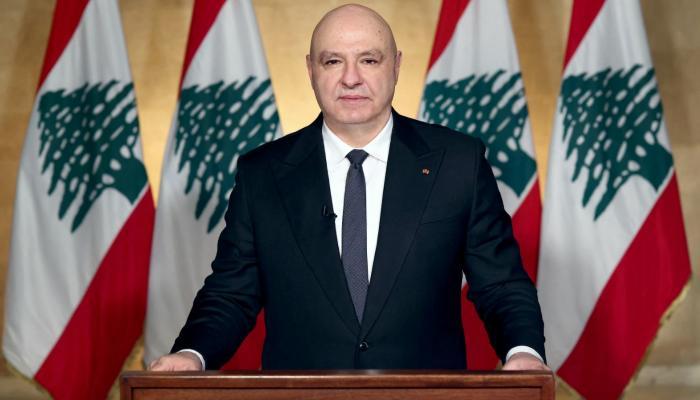
In the same reporting, Saâar argues that “This leads to the conclusion that Hezbollah is a shared enemy of Israel and Lebanon,” and he calls on Lebanon’s government to “work together against the terror state that Hezbollah built in your territory.”
Digital Journal quotes Saâr calling on Lebanon to “work together” with Israel against Hezbollah and says he told diplomats: “This cooperation is required more from your side than from ours.”
On the Lebanese side, Joseph Aoun is quoted by multiple outlets saying “contacts are underway to extend the ceasefire period,” and yalibnan reports that Aoun said “contacts are underway to extend the ceasefire period,” which began last week and is set to expire Sunday.
Jريدة البلاد السعودية describes Aoun’s reception of a parliamentary delegation and says he stressed that preserving Lebanese sovereignty over the entire territory remains the state’s primary objective, while also calling for stabilizing the ceasefire and ensuring Israeli withdrawal.
Human cost and what comes next
The stakes described in the sources are measured in casualties, displacement, and damage, and they are tied directly to what happens after the ceasefire extension decision.
Digital Journal says Israeli attacks on Lebanon have killed at least 2,454 people since the start of the war, according to Lebanese authorities, and it reports that the state’s scientific research council estimated that more than 50,000 housing units had been damaged or destroyed by the war.
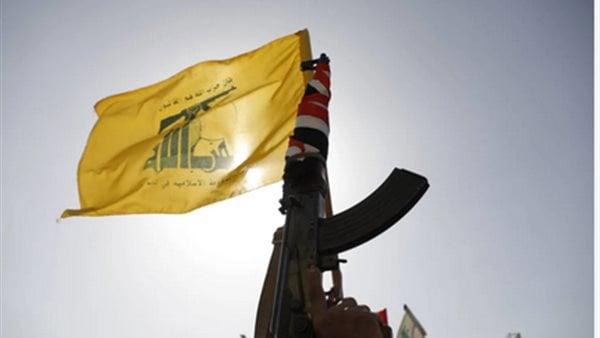
It also says Israeli forces remain in dozens of southern villages behind what the army has called a “Yellow Line,” described by the Israelis as a 10-kilometre (six-mile) deep “security zone” along the border in southern Lebanon.
AzerNews adds that the war between Hezbollah and Israel has resulted in the deaths of more than 2,400 people and the displacement of around one million on the Lebanese side, and it notes that despite a ceasefire being in effect, Israeli forces still occupy areas in southern Lebanon and continue to operate there.
France 24’s report says the ceasefire between Hezbollah and Israel remains in effect after the war widened in support of Iran, which has killed 2,454 people and displaced more than a million, according to official figures, and it says Prime Minister Nawaf Salam said Lebanon needs 500 million euros to confront the humanitarian crisis.
The sources also describe the diplomatic agenda that would follow an extension, including exploring a date for expanded negotiations beyond the ambassadorial level, with Lebanon pushing for an Israeli withdrawal, the return of Lebanese detained in Israel, and a delineation of the land border.
More on Gaza Genocide
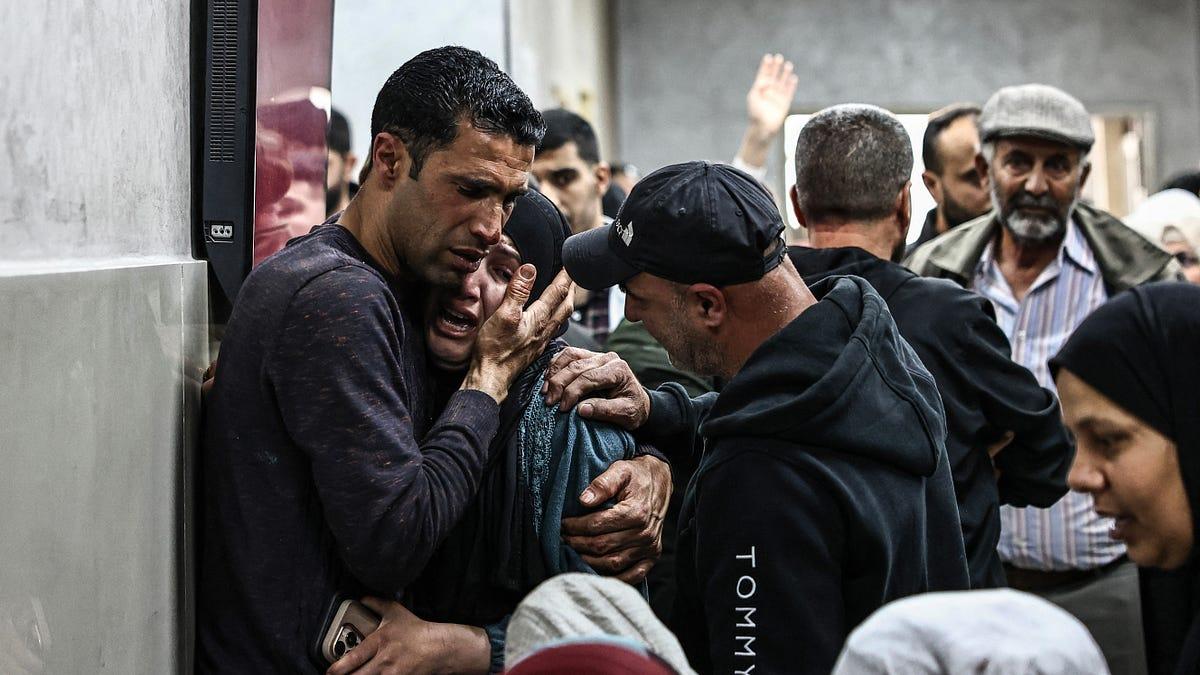
Israeli Forces Fire Tear Gas At Funeral Of Aws Hamdi Al-Nassan And Jihad Abu Na'im Near Ramallah
13 sources compared
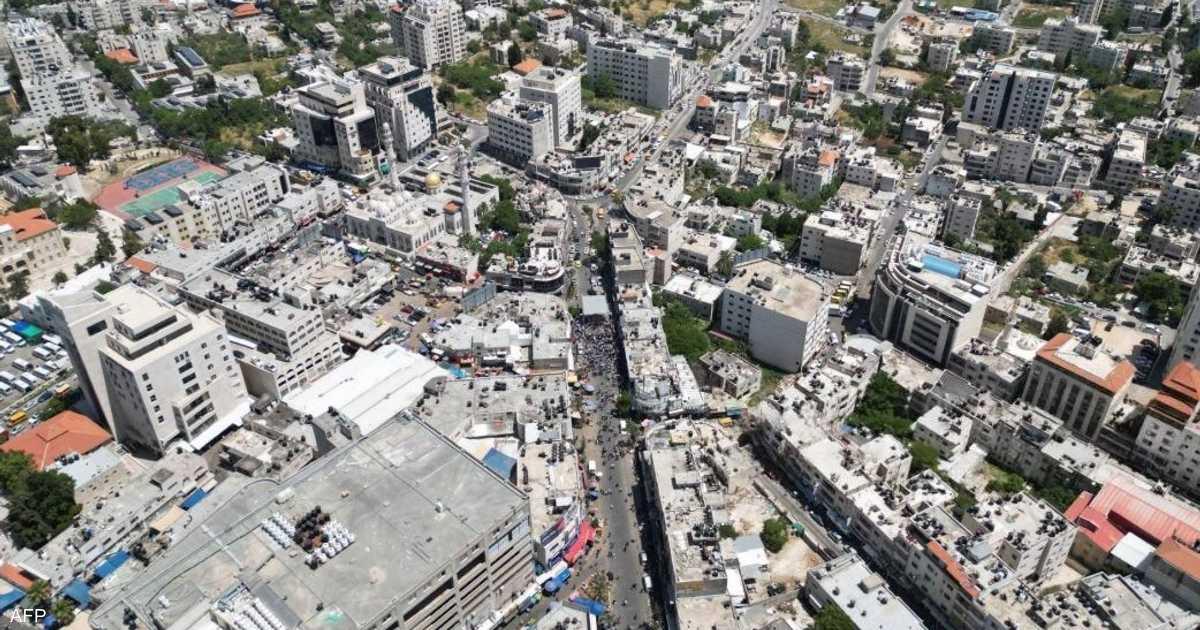
Israel Blocks Saudi-Led Arab Ministers From Visiting Ramallah to Meet Mahmoud Abbas
14 sources compared
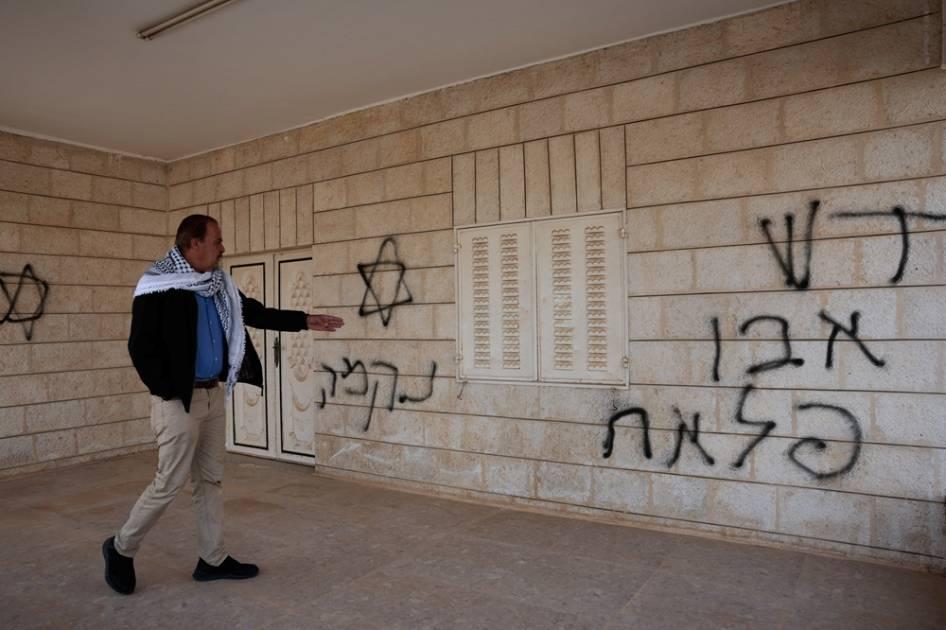
Israeli Settlers and Soldiers Kill Aws Al-Naasan, 14, and Jihad Abu Naim in al-Mughayyir
22 sources compared
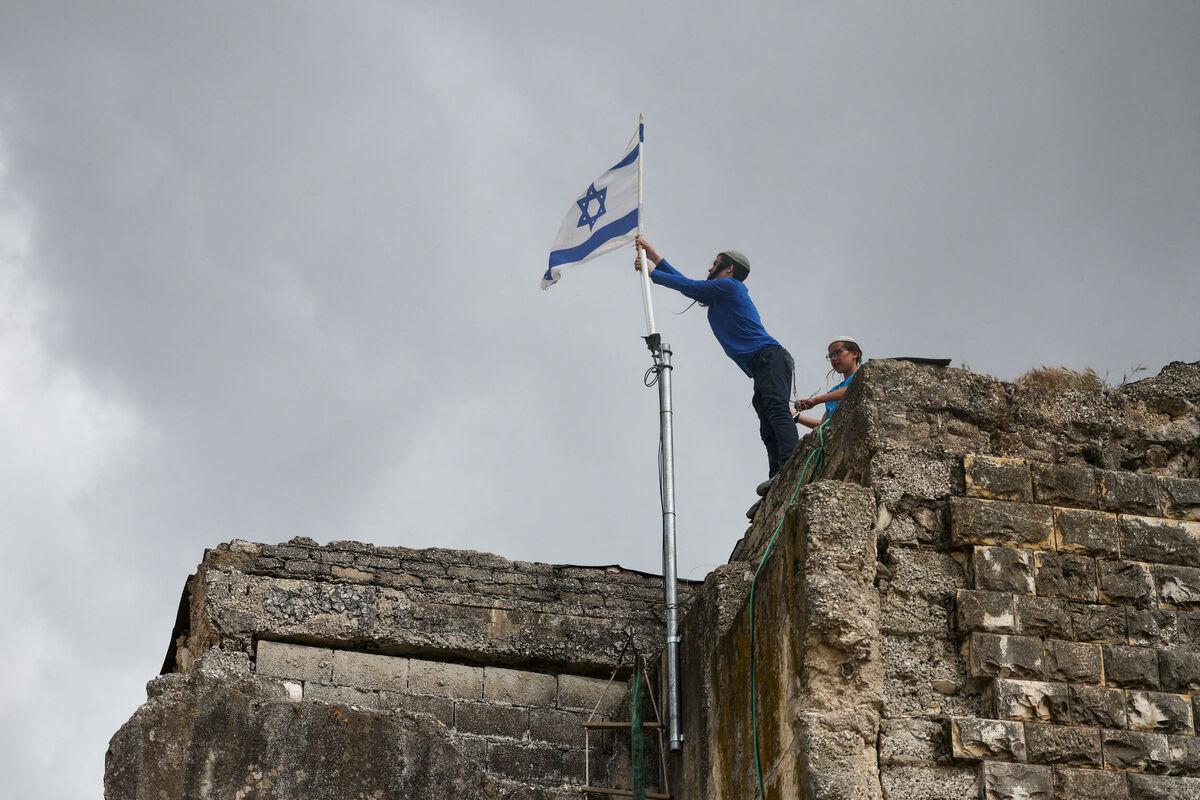
Spain, Ireland, and Slovenia Push to Suspend EU-Israel Deal as Germany and Italy Block
10 sources compared