Lebanon’s Joseph Aoun Resumes Talks With Israel, Haunted by May 17 Agreement of 1983
Key Takeaways
- Lebanon and Israel resume direct talks in Washington, first engagement in decades.
- May 17, 1983 agreement's legacy haunts the talks, signaling unresolved history.
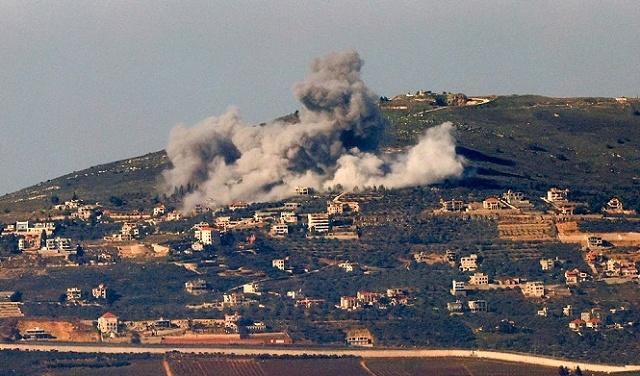
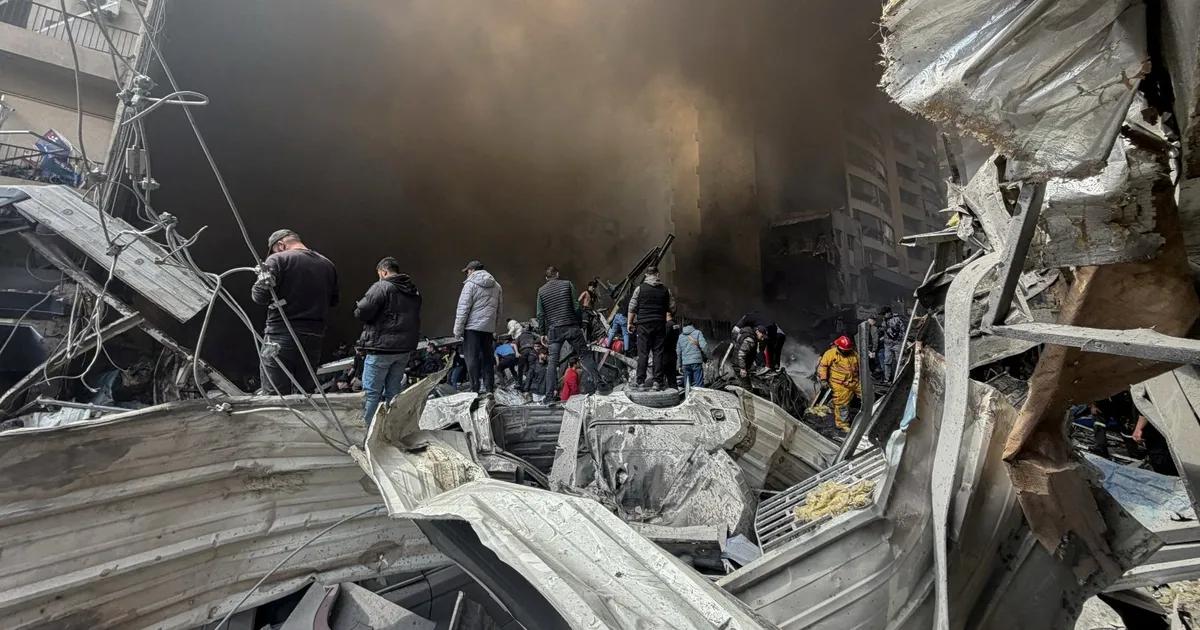
- Escalating Israeli strikes in Lebanon have killed hundreds, intensifying ceasefire urgency.
A new round, old ghosts
Lebanon’s renewed direct discussions with Israel are shadowed by the “May 17 Agreement of 1983” that was “signed but never implemented,” a deal that “is haunting the new round of negotiations” as Lebanon prepares to resume talks.
The latest round is framed as a response to an initiative by Lebanese President Joseph Aoun, with Al Jazeera describing Washington, D.C. as the setting where “the first round of direct negotiations between the two sides” began “in response to an initiative by Lebanese President Joseph Aoun.”

In the background, the 1983 agreement was signed “at Khaldeh, near Beirut,” during the Lebanese civil war (1975-1990), when Lebanon “was at the time simultaneously occupied by both the Israeli and Syrian armies.”
The 1983 text, as described by yalibnan, included “the termination of the state of war” and a commitment that both neighbors would “settle their disputes by peaceful means.”
It also laid out “a timetable for the withdrawal of Israeli forces” and a security zone in southern Lebanon, alongside a commitment that each side would not allow its territory to be used for “hostile or terrorist activity” against the other.
Yet, even after the Lebanese parliament ratified the agreement, yalibnan says it was “never promulgated by President Gemayel,” and later “abrogated by the council of ministers” in March 1984 under pressure from Syrian President Hafez al-Assad and Lebanese allies.
The same memory of a deal “never implemented” is echoed in Euronews’ framing of May 17, 1983 as “A Chance Lebanon Missed or a Reason to Deepen the Split,” while Sky News Arabia calls it “a peace agreement that remained on paper.”
What the talks are for
The Washington meeting is described as the first direct contact “in more than four decades,” held at the U.S. State Department headquarters, and it is presented as a “prelude to a new negotiating track” rather than an immediate breakthrough.
Jريدة البلاد السعودية says the talks took place “at the U.S. State Department” and were “under the direct sponsorship of Marco Rubio,” who called the meeting “a historic opportunity despite the long-standing complexities of the file.”

The same article says the meeting “focused on laying out an overall framework for negotiations without reaching decisive results,” while the Lebanese side stressed “the priority of stopping Israeli attacks and achieving an immediate ceasefire.”
By contrast, Washington viewed the talks as “the start of a gradual process,” with “most notably Hezbollah's role in Lebanon” described as a key factor in the continuation of tension.
On the Israeli side, Ambassador Yehiel Litar is quoted describing the discussions as “excellent,” confirming “alignment with Lebanon on the need to reduce Hezbollah's influence,” and calling the negotiations “a victory over this influence.”
The Israeli position also includes a nonnegotiable security demand, with the same source stating that Israeli security is “nonnegotiable” and that Israel is “readiness to continue the talks in the coming weeks.”
Al Jazeera adds that Lebanon’s initiative calls for “establishing a full ceasefire” and providing “logistical support to the Lebanese Army” to take control of areas Israel is targeting, while also requiring “to disarm Hezbollah.”
Hezbollah’s threats and the state’s dilemma
The renewed talks are taking place under intense political pressure from Hezbollah, which yalibnan says has launched “a smear campaign orchestrated by Hezbollah supporters” targeting President Joseph Aoun and Prime Minister Nawaf Salam.
In that account, Hezbollah has already rejected any compromise and issued “thinly veiled threats against the country’s leadership,” with the threat described as an implicit death threat taken seriously in Beirut.
yalibnan quotes a warning from Senior Hezbollah official Nawaf Moussaoui on Al-Manar television, saying that if the Lebanese president “wants to take decisions unilaterally, he is no more important than Anwar al-Sadat” and adding that any negotiation or agreement would be “rejected, unrecognized and thrown in the bin, like the May 17, 1983 agreement”.
The same source ties the current pressure to the earlier history of the May 17 agreement, describing how it was opposed by factions including Amal and nationalist and leftist parties, and later canceled in March 1984.
Euronews similarly describes how the May 17 agreement “deepened the sectarian divide in Lebanon,” noting that the Lebanese government “clung to the agreement” while “strong rejection” came from the Syria-backed National Salvation Front.
The political tension is also reflected in Jريدة البلاد السعودية, which says a Lebanese government source described the talks as aiming to end the armed conflict and demonstrate “the independence of Lebanese decision-making from internal influences,” in implicit reference to Hezbollah, which “announced its rejection of the negotiations and called for their cancellation.”
Al Jazeera underscores the centrality of Hezbollah’s posture by stating that “Hezbollah… rejects any direct negotiations with Israel, and demands its withdrawal from southern Lebanon,” attributing that position to Ali Fayyad, a deputy in the Lebanese Parliament.
Different lenses on the same talks
The sources diverge in how they frame the meaning of the Washington talks, even when they describe the same basic diplomatic event.
Jريدة البلاد السعودية emphasizes “a historic opportunity” and portrays the meeting as a step toward “de-escalation or a broader agreement,” while also stressing that the Lebanese side wants “an immediate ceasefire” and that Israel seeks to “reduce Hezbollah's influence.”
Al Jazeera, by contrast, places the negotiations inside a longer strategic dispute over aims, saying Lebanon’s priority is “a ceasefire before starting any negotiations,” while Israel focuses on “disarming Hezbollah” and “removing what it calls the threat from the northern border.”
Al Jazeera also describes the Israeli concept of a security zone, stating it “would extend to the Litani River, which lies about 30 kilometers from the border between the two countries,” and it links that zone to preventing rockets and drones on northern Israel.
Euronews frames the same diplomatic return to May 17 memory as a risk of deepening division, asking whether May 17, 1983 was “A Chance Lebanon Missed or a Reason to Deepen the Split,” and it highlights that the agreement was ratified by the Lebanese Parliament “by a majority of 65 out of 128 deputies” before being canceled in March 1984.
Sky News Arabia provides a timeline lens, saying the Tuesday meeting includes “Israeli Ambassador Yehiel Leiter, Lebanese Ambassador Nada Hamade Mouawad, and the U.S. Ambassador to Lebanon, Michel Issa,” and it situates the talks among earlier negotiation rounds.
In its timeline, Sky News Arabia says Lebanon signed a 1949 ceasefire agreement “on March 23” at Ras al-Naqoura, and it says the 1983 agreement was reached after “direct negotiations lasting four and a half months” with U.S. participation.
Escalation risks and next steps
Even as diplomacy begins, the sources describe an active risk of escalation and a fragile security environment.
Jريدة البلاد السعودية says that “Parallel to the diplomatic track, the Israeli army warned of a possible on-the-ground escalation,” expecting “intensified attacks from southern Lebanon toward northern Israel,” and it characterizes the situation as “the fragility of the security situation despite the start of the dialogue.”
It also places the talks amid “a war ongoing since March, which has caused significant casualties and widespread displacement,” tying the diplomatic effort to a broader battlefield reality.
Al Jazeera similarly describes the initiative as unfolding “amid renewed Israeli aggression against Lebanon,” and it says the initiative includes “providing logistical support to the Lebanese Army” to take control of areas Israel is targeting while also requiring disarmament of Hezbollah.
In the historical context, Al Jazeera notes that after the May 17, 1983 agreement, “the executive authority canceled it in 1984,” and it says the cancellation came because it was opposed by Lebanese political factions and rejected by Syria, while Israel also refused to implement it.
Sky News Arabia adds that the 1983 agreement followed “direct negotiations lasting four and a half months with U.S. participation,” but it was “canceled less than a year later,” reinforcing the pattern of diplomatic starts without durable implementation.
Looking forward from the current talks, Jريدة البلاد السعودية says Israel’s Ambassador Yehiel Litar stressed “Israeli security is nonnegotiable” and Israel’s “readiness to continue the talks in the coming weeks.”
More on Lebanon

Eastern Chad Fighting Kills 42 After Water Well Dispute Between Rival Families
10 sources compared

Israeli Strikes Kill 14 in Southern Lebanon as IDF Targets Hezbollah Sites
33 sources compared

Hezbollah Drone Strike Kills Israeli Sergeant Idan Fooks in Taybeh, Southern Lebanon
10 sources compared

Israeli Strikes Kill 14 In Southern Lebanon, IDF Issues Evacuation Warnings
47 sources compared