
Israeli Strikes Kill 14 In Southern Lebanon, IDF Issues Evacuation Warnings
Key Takeaways
- Lebanon reports 14 killed in Israeli strikes amid ceasefire extension.
- IDF orders residents to evacuate several southern Lebanon villages immediately.
- Ceasefire extended for three weeks despite ongoing escalation and breaches.
Ceasefire, then strikes
Israeli strikes in Lebanon killed 14 people on Sunday, Lebanon’s Ministry of Health said, as the country remained under a precarious semi-permanent ceasefire that took effect on 16 April and was extended by three weeks on Thursday last week.
The BBC reported that the ministry said the strikes killed 14 people, including two children and two women, and injured 37.
The BBC also said an Israel Defense Forces spokesperson issued evacuation warnings for several villages in southern Lebanon, writing that residents "must evacuate" immediately and that staying would be "endangering their life".
The IDF later said it carried out "artillery and aerial strikes" targeting Hezbollah operatives and sites in southern Lebanon that it claims were used "to advance attacks against IDF soldiers".
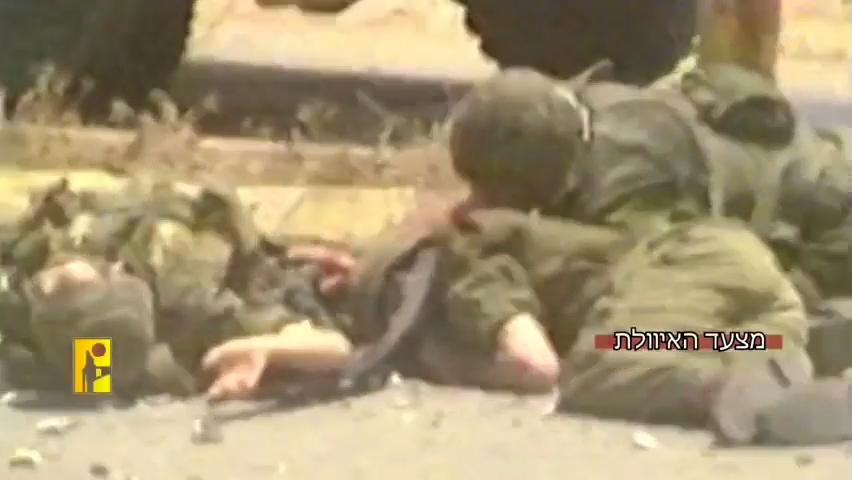
In parallel, the BBC reported that a 19-year-old IDF soldier was killed and six others injured by a Hezbollah drone attack in Lebanon.
Hezbollah also launched three drones towards Israel, the IDF reported, which it said were intercepted by Israel's air force before they crossed the border.
The BBC framed the day’s activity as part of ongoing exchanges since the ceasefire began, with both sides accusing each other of violating the agreement.
Where the raids hit
Reporting from multiple outlets placed the latest violence across southern Lebanon’s districts and towns, with repeated references to Bint Jbeil, Marjeyoun, and Nabatieh.
Al-Manar TV Lebanon said Zionist warplanes launched raids targeting the villages of Burj Qalawiya in the Bint Jbeil district and Toulene in the Marjeyoun district, and it added that strikes hit the roundabouts of Kafr Tibnit, Mayfadoun, Zawtar al-Gharbiya, Zawtar al-Sharqiya, and Shoukin in the Nabatieh district.

Al-Manar also reported a bombing operation between the city of Bint Jbeil and the town of Yaroun, and it said its correspondent reported several injuries resulting from the aggression.
L’Orient Today described Israeli airstrikes hitting the district of Bint Jbeil since 8 pm Beirut Time, naming villages including Kafra, Yater, Beit Yahoun, and Froun.
L’Orient Today also reported that three members of the same family—Ghassan Nader, his wife Manal Jaafar, and their son Ali Ghassan Nader—were killed in an Israeli strike that targeted their home in Burj Qalaway (Bint Jbeil).
The same outlet said the Israeli army announced the death of a 19-year-old IDF soldier, Idan Fooks from Petah Tikva, in a drone strike carried out by Hezbollah in southern Lebanon.
Al Jazeera’s reporting from Tyre and Bint Jbeil added that Israeli soldiers reportedly blew up buildings in Bint Jbeil, and it said bombings were reported in Khiam, including on residential blocks.
Evacuation threats and drones
The BBC and Al Jazeera both described Israel issuing warnings and continuing operations while the ceasefire remained in place, with the language of evacuation and the mechanics of drone attacks featuring prominently.
“Israeli attacks have killed at least four people in southern Lebanon’s Nabatieh district, the state news agency reports, as Israel continues to pummel the country in defiance of a three-week extension of a ceasefire with Hezbollah”
The BBC said an IDF spokesperson issued evacuation warnings for several villages in southern Lebanon, writing that residents "must evacuate" immediately and that staying would be "endangering their life".
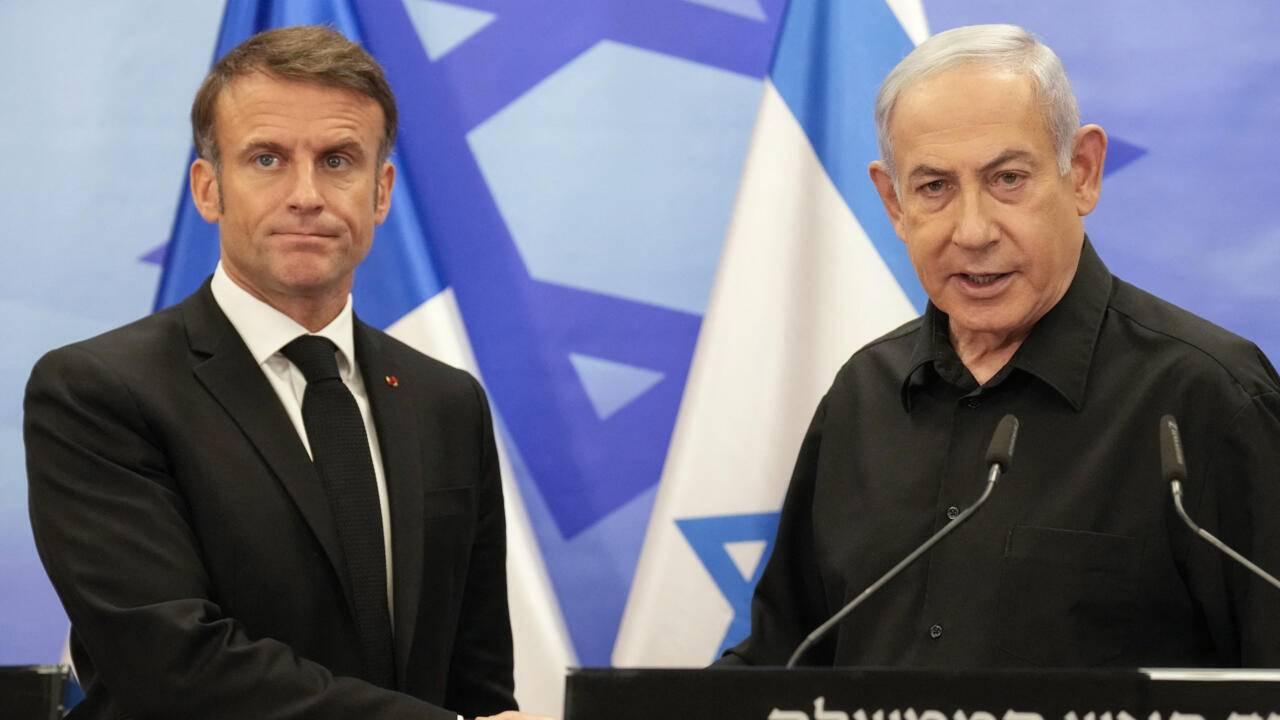
The BBC also reported that Netanyahu said Hezbollah’s actions were "disintegrating the ceasefire" and that the IDF is "active, and it is acting with force" in Lebanon.
In Al Jazeera’s account, Hezbollah lawmaker Ali Fayyad said the ceasefire was "meaningless in light of Israel’s insistence on hostile acts, including assassinations, shelling, and gunfire" and added that Israeli attacks meant Hezbollah retains the "right to retaliate".
Al Jazeera also quoted a security affairs analyst in Beirut, Ali Rizk, saying, "We have to remember that this was a ceasefire between the Lebanese state and the Israeli state."
The BBC reported that it was not only artillery and aerial strikes: it said the IDF later carried out "artillery and aerial strikes" and also that Hezbollah launched three drones towards Israel, which the IDF said were intercepted before they crossed the border.
The BBC further said the IDF accused Hezbollah of launching two explosive unmanned aerial vehicles (UAVs) towards Israel after it struck Hezbollah "military structures" overnight.
In the same broader picture, L’Orient Today said Hezbollah claimed to have struck an Israeli Merkava tank in Taybeh Square using "two attack drones" and achieved a "confirmed hit."
Competing casualty counts
The sources diverged on how many people were killed in Lebanon during the latest phase, and they also differed on how they described the scale of the overall toll since March 2.
The BBC said Lebanon’s Ministry of Health reported that Israeli strikes on Sunday killed 14 people, including two children and two women, and injured 37.
Al Jazeera, by contrast, reported that Lebanon’s Ministry of Public Health said Israeli attacks since March 2 have killed 2,496 people and wounded 7,719.
L’Orient Today stated that Israel has killed more than 2,500 people in Lebanon since March 2, and it described the ceasefire as extended by three weeks on Thursday while hostilities continued.
Al Arabiya’s report, citing Lebanon’s Ministry of Health and other figures, said the Ministry of Health announced six people were killed in Israeli airstrikes on southern Lebanon on Saturday, and it also said the strike on the town of Safd al-Batinah in the Bent Jbeil District resulted in one dead and 17 injured.
Al Jazeera’s account of Saturday’s attacks said the emergency operations centre said two Israeli raids on a truck and a motorcycle in the town of Yohmor al-Shaqif killed four people, and it described additional bombings in Bint Jbeil and Khiam.
Al Jazeera also said the attacks were carried out north of the Litani River, below which Israel has unilaterally declared to be operating, and it quoted Heidi Pett saying the explosions could be heard across southern swaths.
Meanwhile, Al-Manar TV Lebanon reported raids on multiple villages and said its correspondent reported several injuries, and it also included a claim that Israeli media said one soldier was killed and six others were injured in South Lebanon.
What comes next
The sources also laid out what each side said would follow, linking military actions to negotiations and to the future of the ceasefire.
The BBC reported that Netanyahu told his weekly cabinet meeting that Hezbollah’s violations were "disintegrating the ceasefire" and that Israel was acting "vigorously" according to rules agreed with the United States, stating "freedom of action" to thwart immediate and emerging threats.
It also said Iran’s Foreign Minister Abbas Araghchi returned to Pakistan on Sunday to set out Tehran’s framework for resuming peace negotiations with Washington, and that he was expected to meet Russian President Vladimir Putin in Moscow on Monday.
L’Orient Today said Araghchi was expected in Pakistan later on Sunday and described Israeli threats and warnings causing another wave of displacement, particularly towards Saida, with traffic congestion.
L’Orient Today also reported that the Israeli army dropped threatening leaflets in Mansouri, Sour district, calling for evacuation of residents south of what it dubbed as the "yellow line."
Al Jazeera described the Lebanese leadership rejecting the possibility of Lebanon being used as a "bargaining chip" amid potential US-Israel negotiations with Iran, and it reported that civilians were living in an empty stadium in Beirut after fleeing bombardment, with Huda Kamal Mansour telling Al Jazeera, "There was zero distance between us and the Israeli army when they attacked southern Lebanon."
She added, "Israel didn’t leave one house standing there."
In parallel, Al Arabiya reported that Israel urged residents not to cross and to return to 59 villages, renewing its warning not to move south of the 20-line and its surroundings and not to approach the Litani River area and the Wadi al-Salḥani and al-Salouqi valleys.
More on Lebanon
Israel Kills Six Hezbollah Fighters in Southern Lebanon After Ceasefire Extension
13 sources compared

Netanyahu Orders IDF To Vigorously Strike Hezbollah Targets In Lebanon
17 sources compared
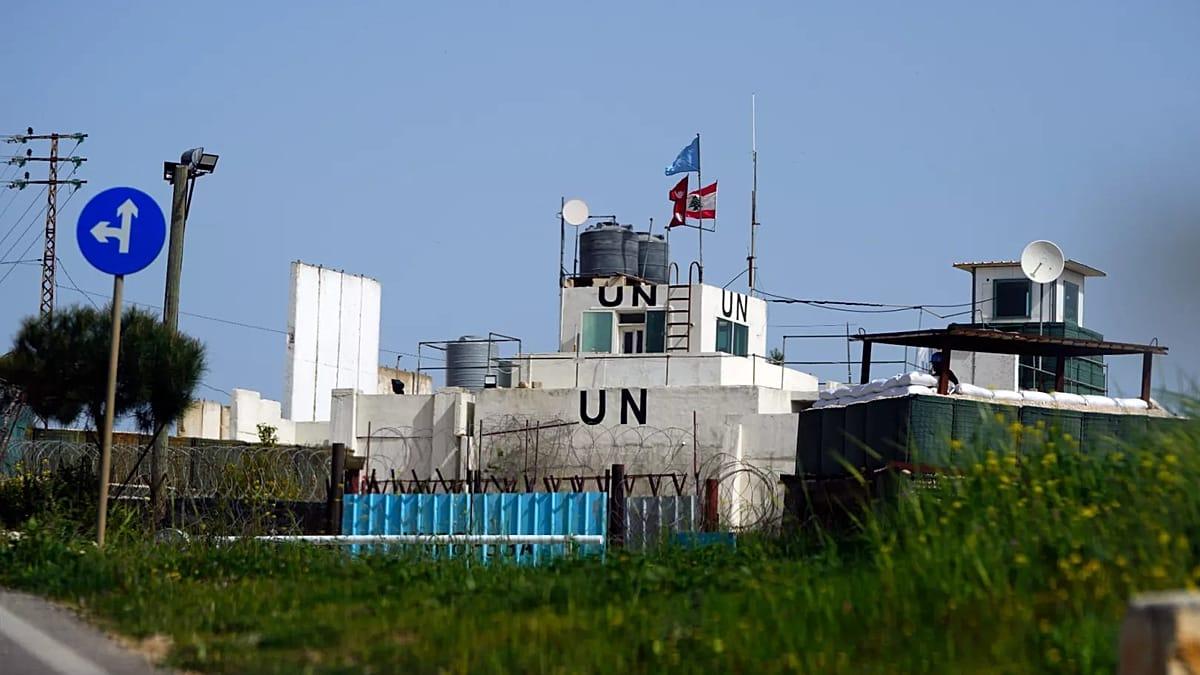
Israel’s Merkava Tank Fired Projectile That Killed Indonesian UNIFIL Peacekeeper Rico Pramudia in Beirut
10 sources compared
Israel Strikes South Lebanon Despite Trump Ceasefire Extension, Killing People
26 sources compared