Full story
Lebanon ends capital punishment
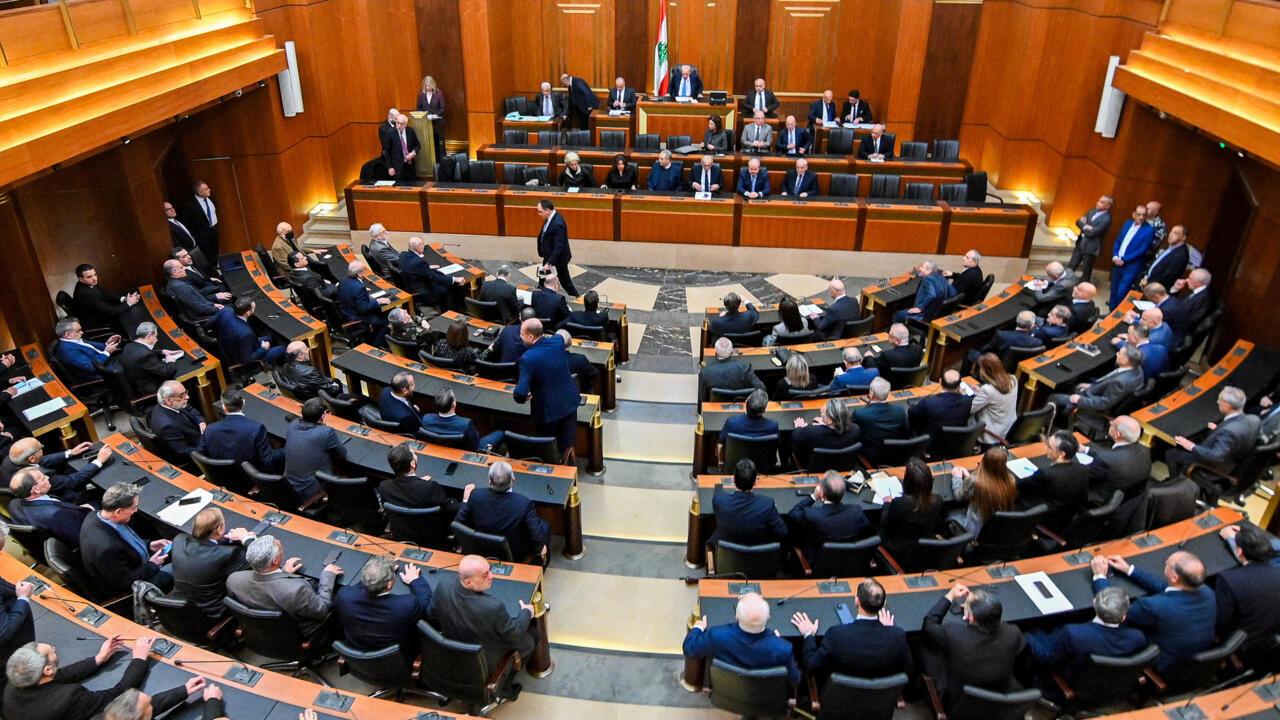
Lebanon’s parliament voted to abolish the death penalty, replacing it with life imprisonment with aggravated hard labour, while Hezbollah’s parliamentary bloc voted against the measure.
“making it the first country in the Arab world to replace the sentencing with life imprisonment with aggravated hard labor”
The legislation will go to the cabinet before being passed to President Joseph Aoun for signing, and Lebanon has not carried out an execution since January 2004 even though courts continued to hand down death sentences.

The vote came after a majority of Lebanon’s 128-member parliament backed ending capital punishment, and Justice Minister Adel Nassar called it a “historic step” for the country.
Rights groups and Human Rights Watch’s Ramzi Kaiss said Lebanon is “marking a final break from a cruel sentence that should never be imposed.”
Hezbollah opposition and debate
Hezbollah’s parliamentary bloc voted against the abolition, and the legislation’s path to President Joseph Aoun for approval highlighted how the vote split Lebanon’s political factions.
In parliament, Bilal Abdullah of the Druze-led Progressive Socialist Party said the amnesty law is not intended to benefit just one sect, telling reporters in parliament, “We are turning a political page where (Sunnis were) targeted, justly and unjustly.”

Critics framed the change as entangled with sectarian tensions and past judicial and security actions, while activist and lawyer Nizar Saghieh said justice “comes through accountability and building institutions, not a general amnesty.”
The BBC reported that Oragit Younan, co-founder of the Lebanese Association for Civil Rights, argued, “We cannot solve a crime with a crime or end violence with violence,” as the new punishment’s enforcement details remained unclear.
What changes next
The abolition law replaces death sentences with life imprisonment with hard labour, but the BBC said the legislation does not yet set out in detail how the new sentence would be enforced.
“However, the legislation does not yet set out in detail how the new sentence would be enforced.”
Lebanon’s move also intersects with a controversial general amnesty law being debated in parliament, which could reduce sentences or even release convicted militants and drug dealers with some exceptions.
The AP reported that family members of Lebanese soldiers and servicemen killed or attacked by Islamist militant groups protested the amnesty, saying they had hoped perpetrators would be executed rather than receive reduced prison sentences.
In parallel, the UN High Commissioner for Human Rights Volker Türk welcomed the decision, saying it represents “a strong and principled commitment to the right to life,” and urged other countries that still apply the death penalty to follow Lebanon’s example.