South America14 November, 20252 min read
London High Court Rules BHP Liable for 2015 Fundao Dam Collapse That Killed 19 and Devastated Brazilian Communities
London's High Court ruled BHP legally liable for the 2015 Fundão dam collapse The collapse killed 19 people and released massive toxic mining waste downstream
20 outlets told this the same way.
Outlets did split on Alexandre de Moraes Orders Eduardo Bolsonaro Arrest, Cancels Passport, Enforces Four-Year Sentence →
BHP liability ruling
A London High Court judge, Mrs Justice Finola O'Farrell, ruled that Anglo-Australian miner BHP can be held legally liable for the 2015 collapse of the Fundão tailings dam at the Samarco mine in Mariana, Brazil. The court found that continuing to raise the dam's height when it was unsafe was the "direct and immediate cause" of the disaster and that BHP assumed responsibility through its control of Samarco and involvement in risk assessment and dam operations. The judgment addressed liability only; BHP said it will appeal and argued that the UK action duplicates Brazilian proceedings.
“Judge Finola O'Farrell found BHP legally responsible under Brazilian law because of its control of Samarco and its role in risk assessment and dam operations, saying BHP’s failures to carry out recommended studies and remediation were negligent and the direct cause of the collapse.”
Bento Rodrigues mine spill
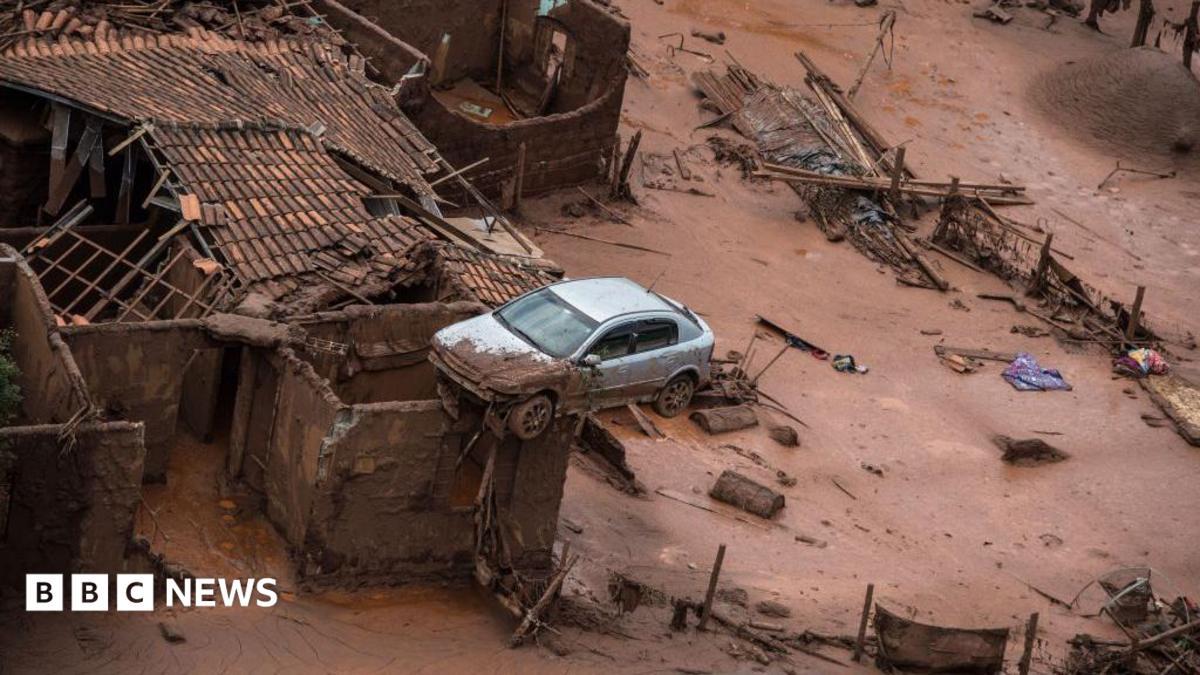
The collapse released a vast volume of toxic mining waste that killed 19 people, destroyed the village of Bento Rodrigues, left thousands homeless, and devastated the Doce River and surrounding ecosystems. Estimates of the spill's scale vary by metric, with some outlets citing more than 40 million cubic metres (about 40 million tonnes) of sludge.
Other reports compared the flow to about 13,000 Olympic-size swimming pools or described damage running roughly 600 km along the river. Survivors and claimants described long-term environmental, cultural, and economic harm to riverine and indigenous communities.

London climate lawsuit overview
The London action is exceptionally large in scale, with claimants’ lawyers and multiple outlets reporting roughly 600,000–620,000 individuals, dozens of municipalities, and about 2,000 businesses participating. The group action seeks around £36 billion (commonly reported as up to £36bn / $48bn).
“Hundreds of thousands of Brazilians, dozens of local governments and about 2,000 businesses brought the London action; a separate R$170 billion ($31 billion) compensation agreement was signed in Brazil with BHP, Vale and Samarco.”
Some outlets describe the UK case as the largest environmental group action in English legal history. Parallel or prior settlements in Brazil are repeatedly noted, though reporting differs on the size and nature of those Brazilian agreements.
BHP appeal and reparations
BHP has reiterated it will appeal, arguing that the London proceedings duplicate Brazilian compensation schemes. BHP and its partners say they have already paid substantial reparations in Brazil and expect prior payments or waivers to reduce the UK claims.
Several outlets report that around 240,000 claimants have already been paid in Brazil and that BHP says it has spent nearly $12 billion since 2015. Specialist and regional outlets add company accounting details, analyst commentary, and notes about waivers and provisions.
Liability ruling and next steps
Survivors and claimants' lawyers welcomed the ruling as a measure of accountability after a decade of campaigning. Coverage stresses the legal fight is not over, since the judgment covered liability only and the High Court has scheduled a second phase to determine damages. Many outlets report October 2026 as the key next date.
“One victim, Gelvana Rodrigues da Silva, who lost her seven‑year‑old son, said the ruling meant 'justice has begun to be served.'”
Some reporting also notes criminal charge outcomes in Brazil and the longer struggle for environmental and social restoration. Activist and regional outlets stress ongoing harms. While most sources present the same core facts of liability and loss, they differ in metric choices, emphasis on indigenous and cultural impacts, and whether they foreground company finances or survivor justice.
