Syria12 November, 20252 min read
Looters Break Into Syrian National Museum in Damascus and Steal Six Roman-Era Marble Statues
Thieves broke into Damascus National Museum and stole six Roman-era marble statues. The theft was discovered Monday after a classical-department door was found broken; museum closed.

26 outlets told this the same way.
Outlets did split on France Suspends Police Stun Grenades at High School Protests After 15-Year-Old Loses Hand →
Damascus museum theft
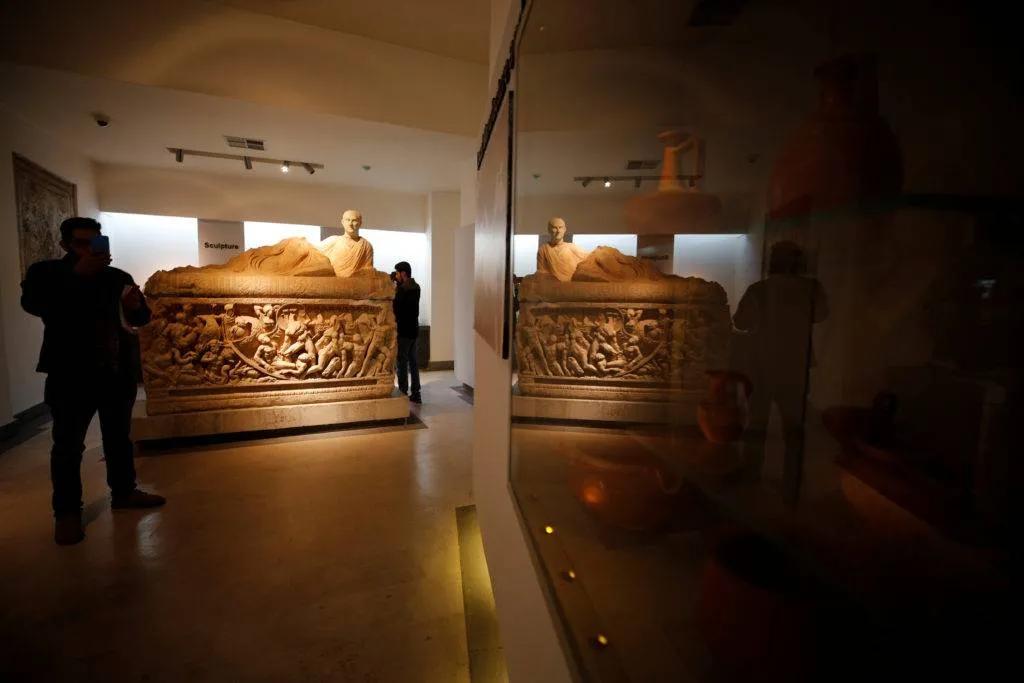
Thieves broke into the National Museum in Damascus on Sunday night and stole several ancient items from the classical department, with Syrian officials telling multiple outlets that six Roman-era marble statues are missing. The break-in was discovered early Monday when staff found a door in the classical department broken, prompting a temporary closure while authorities opened an investigation. Reports across Western mainstream and regional outlets uniformly describe the basic facts: a nighttime intrusion, missing classical sculptures, and an initial probe by antiquities and security officials.
“Thieves broke into the National Museum in Damascus Sunday night and stole six marble statues dating to the Roman era, Syrian officials told AP.”
National Museum security update
The National Museum, Syria’s largest and home to priceless Hellenistic, Roman and Byzantine collections, had only recently reopened in January after years of wartime closure and the fall of the Assad family's rule. Officials say security was reinforced with metal gates, cameras and relocated artifacts.
Multiple reports note that many items were moved to Damascus from across the country during the 2011 unrest, notably from Palmyra, to protect them. However, the post-war period has left museums vulnerable to theft and illicit trade.

Museum investigation and access
Authorities immediately opened inquiries, and the Directorate-General for Antiquities and Museums launched an investigation. Security forces questioned guards and other personnel, and Damascus internal security chief Brig-Gen Osama Atkeh told some outlets they were questioning staff. Several reports noted restricted access to the museum for reporters as the probe continued.
“Damascus internal security (Brig‑Gen Osama Atkeh) said security forces are questioning guards and other individuals.”
Disputed museum theft reports
Not all outlets agree on what was actually taken. The dominant account across AP, BBC and other mainstream reports describes six Roman-era marble statues. Some other outlets offer conflicting descriptions, ranging from unspecified "several" pieces to claims of "gold" statues or gold ingots in later or alternate reporting.
Those discrepancies show lingering uncertainty in the aftermath of the break-in. They underline why officials and investigators have been cautious about releasing a definitive inventory.
Wartime antiquities trafficking
The theft was reported against a backdrop of wartime cultural losses and a growing illicit market for Syrian antiquities. Sources recall ISIS's destruction of Palmyra in 2015. Observers also note UNESCO‑listed heritage remains at risk and museum bodies warn of an expanding black market and illicit digs promoted on social media.
“The International Council of Museums (ICOM) that a black market for Syrian cultural objects has grown—fueled by easy access to treasure‑hunting devices, illegal digs advertised on social media, and more counterfeit artifacts—and urging authorities to act.”
Some outlets frame the incident alongside high‑profile European museum thefts to highlight an international market for stolen cultural property. Heritage bodies and observers urge swift action to recover the items and tighten monitoring of antiquities trafficking.