Britain11 January, 20262 min read
Lord Mandelson Refuses To Apologise To Jeffrey Epstein's Victims
This article is an automated aggregation of coverage from news outlets. Our editorials offer in-depth analysis curated by the NewsCord team.
Mandelson declined to apologise to Epstein's victims for maintaining his friendship. He said he never saw girls at Epstein properties and denied knowledge of crimes.

9 outlets told this the same way.
Mandelson on Epstein fallout
Former Labour minister Lord Peter Mandelson has refused to apologise personally to victims of Jeffrey Epstein while saying he has paid a "calamitous" price for the association. He apologised for what he called a failing system that did not hear victims' voices. The remarks came in a BBC interview after emails published last year showed Mandelson offering Epstein support around his 2008 conviction, including urging him to "fight for early release" and telling him "I think the world of you".
The emergence of those messages led to his sacking from an ambassadorial role. Multiple outlets report Mandelson insisted he would apologise only if it could be shown he knew of or was complicit in Epstein's crimes. He said he regretted a "misplaced loyalty" while accepting the consequences.
Mandelson dismissal over emails
The immediate cause of Mandelson’s dismissal, as widely reported, was the release of emails last year that showed him urging Epstein to seek early release after his 2008 conviction and offering personal support, with lines such as "fight for early release" and "I think the world of you" cited across outlets. Downing Street said the correspondence revealed a deeper relationship than previously disclosed, and Mandelson told interviewers he accepted being sacked and would not relitigate the issue. News coverage links those messages directly to political consequences for Mandelson, including the loss of his ambassadorial role.
Mandelson's defence over Epstein
Mandelson’s defence, as reported, rests on a claim he did not know about Epstein’s sexual crimes and therefore was not complicit. He told interviewers he had ‘believed Epstein’s explanations’ in 2008, saw only certain household staff at Epstein properties and described his association as a ‘most terrible mistake’ or ‘misplaced loyalty’.
“Mandelson said he had believed Epstein’s explanations in 2008 and regretted his misplaced loyalty, while stressing the wider issue is the hundreds of women who were failed by the system.”
Some outlets additionally quote him framing his stance conditionally, saying he would apologise personally only if it could be shown he had known or been complicit. One report includes the more personal assertion that, as a gay man, he had been ‘shielded from the sexual side of Epstein’s life.’
Reaction to Mandelson's contacts
Political figures and colleagues criticised Mandelson's continued contact with Epstein. Transport Secretary Heidi Alexander called his remarks 'heavy naivety' or 'at best, deep naivety.' Other ministers said those associated with Epstein should apologise for lapses of judgement.
Coverage notes Mandelson accepted the sacking and said he would not seek to reopen the matter. Critics argued that victims deserved a direct apology rather than a systemic one.
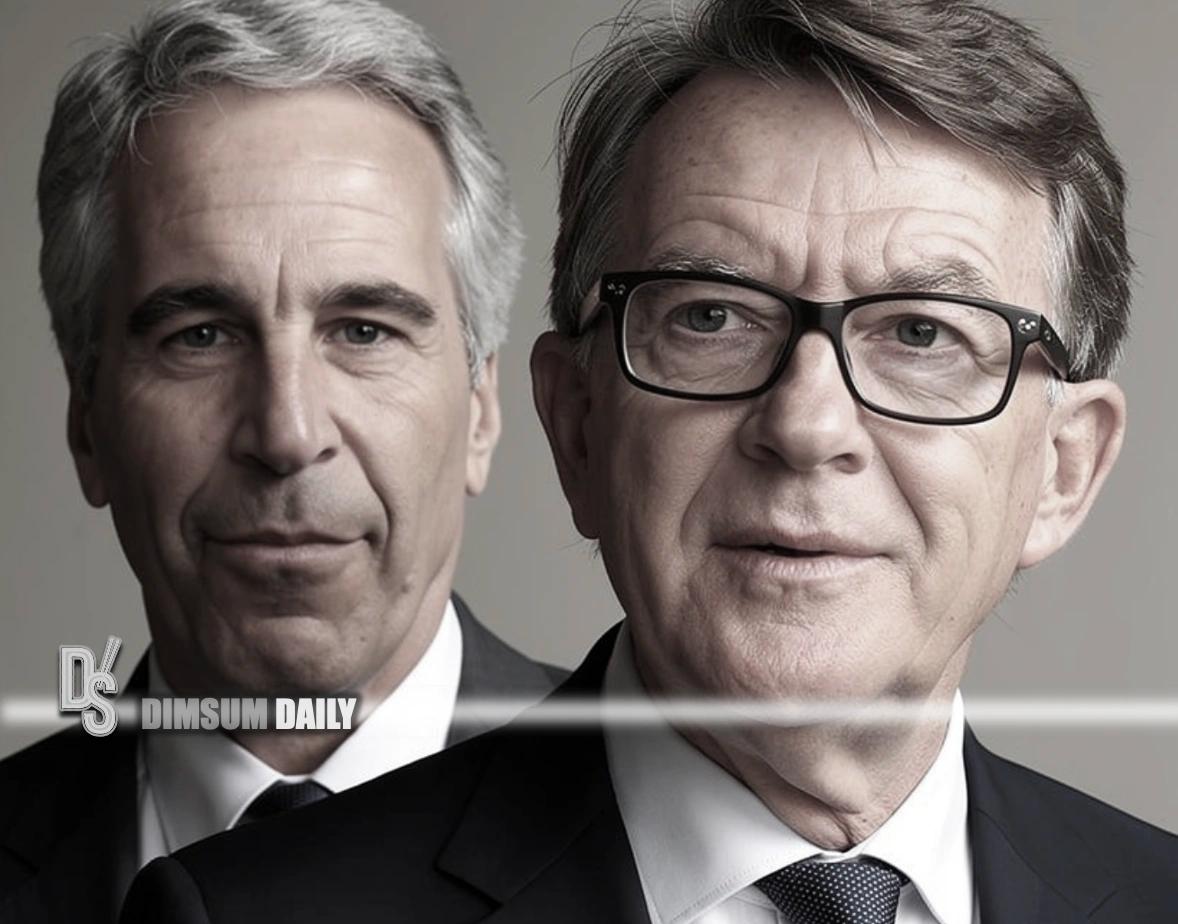
Coverage of Mandelson and Epstein
All outlets place Mandelson's remarks within the wider, grim context of Epstein's offences: Epstein pleaded guilty in 2008 to solicitation offences, faced renewed allegations, and died in a US jail in 2019 with his death ruled a suicide.
“Epstein pleaded guilty in 2008 to solicitation offences and died in a US jail in 2019, his death ruled a suicide.”
While the basic facts about Epstein's conviction and death are consistent across reports, the stories differ in what they foreground: the political fallout for Mandelson, the content of the emails, or personal explanations offered by Mandelson himself.
