Britain03 February, 20263 min read
Lord Mandelson Resigns From House Of Lords After Accusations He Passed Sensitive Government Information To Convicted Sex Offender Jeffrey Epstein
Peter Mandelson resigned from the House of Lords. He is accused of passing sensitive government information to Jeffrey Epstein.

22 outlets told this the same way.
Outlets did split on UK Police Charge Teddy Young With Spying For Foreign Power, Royal Navy Member →
Mandelson Epstein documents fallout
Former cabinet minister Lord Peter Mandelson has resigned or stepped back in the House of Lords amid fresh scrutiny after the US Department of Justice released emails and documents related to Jeffrey Epstein. Mainstream outlets report the files appear to show he was in close contact with convicted sex offender Jeffrey Epstein while Mandelson was business secretary in 2009. The exchanges reportedly suggest Mandelson may have given Epstein advance notice of an EU bailout or passed on sensitive information about the UK's struggling economy.
“Former cabinet minister Lord Peter Mandelson is under renewed scrutiny after emails released by the US Department of Justice appear to show he was in close contact with convicted sex offender Jeffrey Epstein while Mandelson was business secretary in 2009.”
The Metropolitan Police say they have received reports alleging misconduct in public office and will review whether they meet the criminal threshold. Political pressure has seen Mandelson quit the Labour Party and be put on leave from the Lords, while figures including the prime minister say he should not continue to use his title.
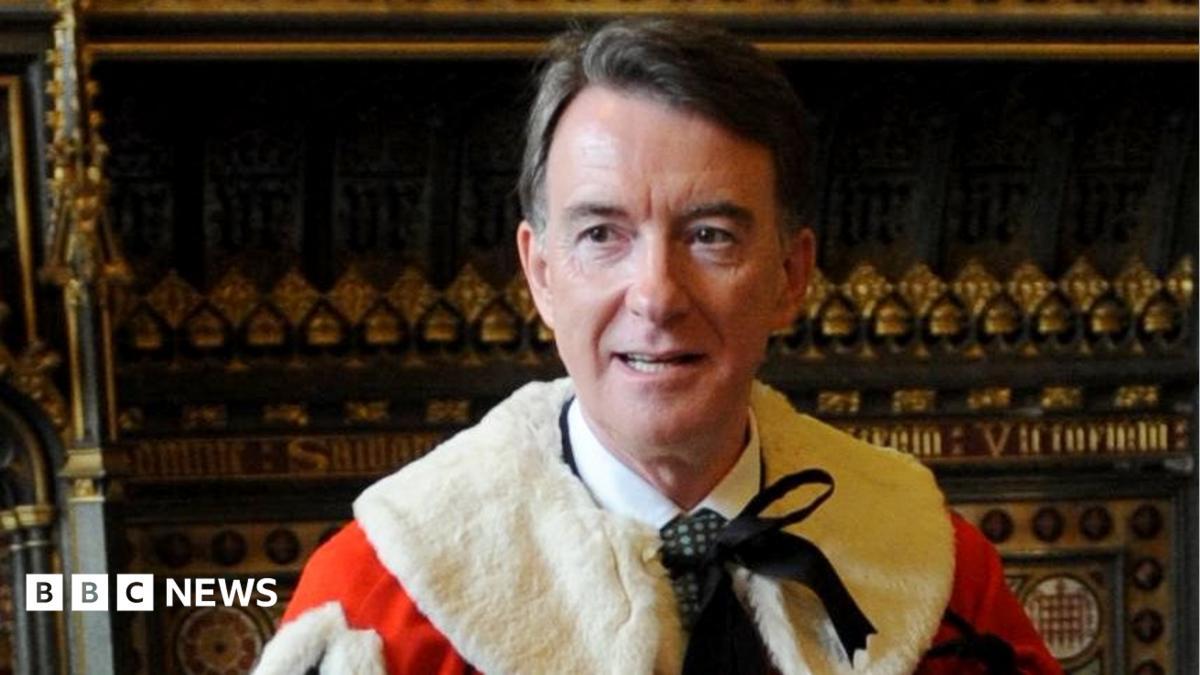
Leaked documents and reactions
Reports across outlets say the released emails and documents include correspondence that could be market-sensitive or relate to UK economic decisions around 2008–2010, and that the Cabinet Office has referred the material to the Metropolitan Police for review. Sources note the material was released by US authorities and that appearing in the files is not itself proof of wrongdoing; journalists and officials stress investigation and due process. At the same time, tabloid coverage highlights more explicit allegations, including suggestions that Mandelson may have forwarded government correspondence to Epstein or used private email to discuss state matters, which has amplified public demands for accountability.
Political reactions and investigations
Political leaders and institutions have reacted swiftly. Prime Minister Keir Starmer and other senior figures have publicly urged that Mandelson should not continue to use his peerage or title while the matter is examined. Officials have signalled possible legislative routes to remove a peer if necessary.
“The Metropolitan Police said it had received a number of reports alleging misconduct in a public office and will review whether they meet the criminal threshold for investigation.”
The Cabinet Office has been reported to have referred material to police and urged a review. The Metropolitan Police say they are assessing reports to determine if criminal thresholds are met. These steps underscore the seriousness with which mainstream outlets characterize the allegations and the institutional response.
Mandelson responses and coverage
Mandelson's own responses and public posture differ across reports. Some tabloid articles reproduce quotes attributed to him or describe him contesting specific images; for example, one report quotes Mandelson saying he has "no idea" why a photograph shows him in underpants at Epstein's Paris apartment and that he did not know the woman pictured.
Other mainstream reports note he "has not responded to requests for comment" and focus on formal actions such as his resignation from Labour and leave from the Lords. That contrast reflects differences in access to, or willingness to publish, more personal denials versus formal statements about status and process.

Media coverage of DOJ release
Across the board, there is agreement that the DOJ release triggered renewed scrutiny, but significant differences persist in framing and perceived newsworthiness. Mainstream outlets repeatedly caution that being named in the files is not proof of wrongdoing and highlight legal processes and institutional responses; tabloids foreground embarrassing images, vivid personal detail and urgent demands for stripping honours. Regional and less formal outlets echo those frames — some emphasise calls for inquiries and possible prosecutions, while others reproduce striking personal allegations, creating a patchwork of coverage that ranges from procedural reporting to sensational exposé.
“Following the document release, the Metropolitan Police said it had received a number of reports alleging misconduct in a public office and will review whether they meet the criminal threshold for investigation.”