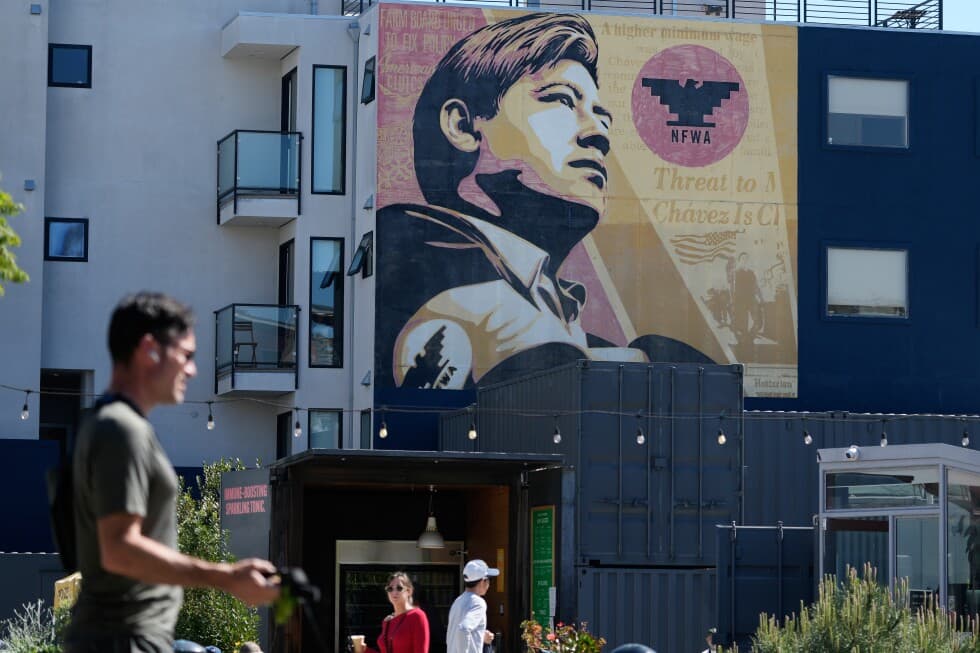
Organizers Cancel César Chávez Day Celebrations After Sexual Abuse Allegations
Key Takeaways
- César Chávez Day celebrations are being renamed, postponed, or canceled due to sexual abuse allegations.
- Los Angeles plans to rename César Chávez Day amid sex assault allegations.
- Dolores Huerta says she was abused by Chávez.
Celebrations Cancelled
Organizers across the United States have canceled or postponed César Chávez Day celebrations following serious sexual abuse allegations against the late farmworker labor leader.
“Organizers of the annual Cesar Chavez parade and celebration in Austin have canceled the event after sexual abuse allegations against the labor union organizer have been made public”
The fallout began after labor rights activist Dolores Huerta revealed she was among those say they were abused by Chavez, who died in 1993.

This revelation has prompted swift reactions from organizations and governments at multiple levels.
Many are choosing to distance themselves from honoring the co-founder of the United Farm Workers Union during this challenging time.
The movement's values are being tested against the disturbing allegations of sexual misconduct against women and girls.
Government Response
Governmental responses to the allegations have been swift and decisive.
Multiple state leaders have taken concrete actions to distance themselves from Chavez's legacy.

Texas Governor Greg Abbott stated that the state would not observe the holiday this year.
Abbott expressed intentions to remove it from state law entirely.
Arizona Governor Katie Hobbs also declined to recognize the day.
This reversed previous practices where municipalities closed schools and government offices in observance.
The federal government's involvement is also being reconsidered.
President Obama had designated March 31 as César Chávez Day in 2014.
It remains a commemorative observance rather than a paid federal holiday.
Huerta's Testimony
At the heart of the controversy are specific allegations detailed in a New York Times investigation.
“Chávez Avenue that runs from downtown Los Angeles to East LA”
These include sexual assault and abuse against women and girls.
Dolores Huerta provided particularly damning testimony.
The 96-year-old civil rights leader detailed two unwanted sexual encounters with Chavez.
These encounters resulted in two pregnancies she kept secret for decades.
Huerta remained silent because she believed exposing the truth would have harmed the farmworker movement.
She prioritized the formation of the union at a critical time.
This reveals the complex calculus survivors face when deciding whether to speak out against powerful figures.
Many prioritize the collective struggle over personal accountability.
Renaming Movement
Beyond the cancellations of annual celebrations, there is a growing movement to rename public spaces.
Many institutions currently bear Chavez's name, reflecting a broader societal reassessment of his legacy.
In Lubbock, Texas, a group has suggested renaming César Chávez Drive in honor of Dolores Huerta instead.
Discussions are slated to begin in Milwaukee regarding a street named after Chavez.
Similar initiatives are underway in Portland, Oregon.
Efforts aim to rename city boulevards after Huerta.
These efforts reflect a significant shift in how communities honor historical figures.
This shift occurs when faced with allegations of serious misconduct.
The preservation of workers' rights may be increasingly separated from the individuals who originally fought for them.
Organizational Response
Labor organizations and community groups are grappling with complex challenges.
“Organizers of the annual Cesar Chavez parade and celebration in Austin have canceled the event after sexual abuse allegations against the labor union organizer have been made public”
They must balance honoring historical achievements with addressing serious allegations.
The AFL-CIO released a statement expressing their shock.
They committed to prioritizing the voices of abuse victims.
The AFL-CIO noted that while farmworker rights are important, they cannot overlook allegations against Chavez.
In Austin, organizers were disappointed to pause the tradition.
Their priority remained the pursuit of justice and workers' rights.
This tension represents a challenging moment for social justice movements.
Movements are confronting uncomfortable truths about their historical figures.
More on USA
FBI investigates Joe Kent, former National Counterterrorism Center director, for allegedly leaking classified information.
81 sources compared

Lt. Gov. Juliana Stratton Wins Illinois Democratic Senate Primary to Replace Durbin
171 sources compared

Senators Grill Mullin Over DHS Nomination as Intel Officials Testify on Top Threats
91 sources compared

César Chávez Faces Sexual Abuse Allegations, Including Rape of Dolores Huerta and Other Survivors
34 sources compared