Entertainment08 December, 20252 min read
Louvre Officials Let Aging Pipes Flood and Ruin Hundreds of Rare Books in Egyptian Antiquities Department
Aging pipe burst, flooding one library room in the Egyptian antiquities department. Between 300 and 400 rare books and Egyptology journals were damaged.

20 outlets told this the same way.
Outlets did split on Chad Lowe and Kim Painter Mourn Daughter Fiona Hepler Lowe’s Death at 13 →
Louvre Egyptian library damage
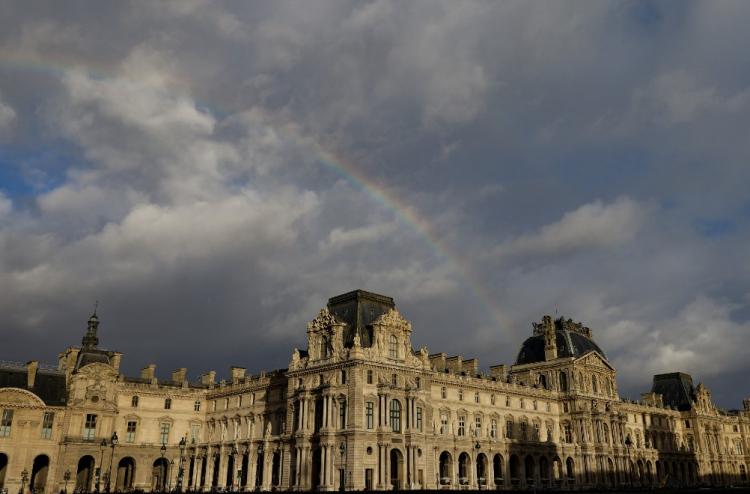
A late-November water leak at the Louvre's Mollien wing soaked a research library in the museum's Egyptian Antiquities department. The leak damaged an estimated 300–400 volumes, mainly Egyptology journals and scientific reference works from the late 19th and early 20th centuries. Museum officials say the leak was caused when a valve in an obsolete heating and ventilation/hydraulic system was accidentally opened, allowing water to seep through the ceiling.
“The Louvre suffered a water leak on November 27 in its Mollien wing that soaked shelves in the museum’s Egyptian Antiquities research library, damaging an estimated 300–400 historic books and journals (mostly 19th–early 20th century Egyptology and scientific reference works).”
The system had been shut down for months and is scheduled for replacement in 2026 (some reports say September 2026). An internal investigation has been opened and conservation teams are assessing which specialist, often out-of-print, titles can be dried and restored.
Museum collection assessment
Museum officials, notably deputy administrator Francis Steinbock, said the affected material is framed as working research texts used by Egyptologists rather than unique or ancient manuscripts. They said conservation teams will dry, bind, and return the volumes to the shelves.
Officials told media there are currently no confirmed irreparable or definitive losses. They added that many items are 'extremely useful' but 'by no means unique.'
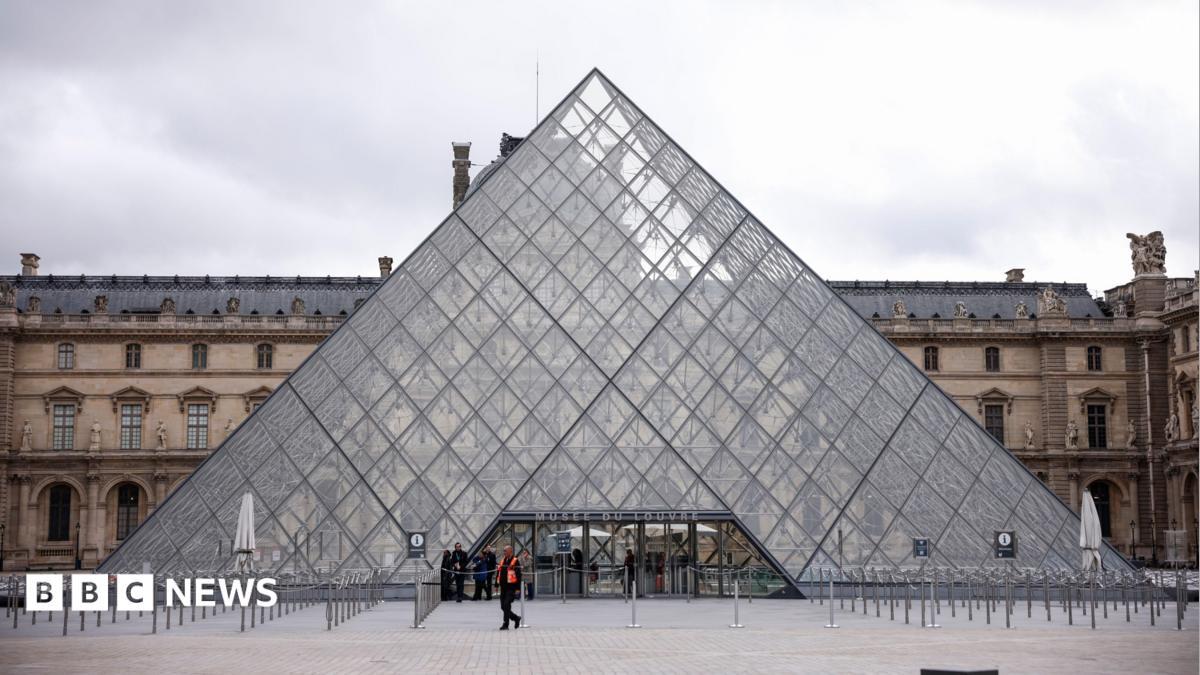
Library conservation efforts
Conservation teams have already begun mitigation, drying waterlogged pages with absorbent paper and dehumidifiers. They are sending volumes to bookbinders for repair and assessing which specialist titles - often out of print - can be restored and returned to shelves. Reports emphasise that the affected items are primarily working periodicals and reference works rather than ancient artefacts.
“He said the books will be dried, sent to a bookbinder for restoration and returned to the shelves.”
Louvre infrastructure scrutiny
The incident has intensified scrutiny of the Louvre’s ageing infrastructure amid other recent crises, including a high-profile October crown-jewels theft, a November partial gallery closure for structural concerns, and public audits criticising maintenance priorities. Some outlets portray the event as symptomatic of chronic neglect and delayed repairs, while others concentrate on the immediate technical error and the museum's recovery plans. The museum has signalled plans to replace the obsolete system in 2026 and has launched an internal probe.
Debate over Louvre damage
Responses and accountability remain contested. The Louvre says it will investigate internally and restore materials. Specialist observers and some local reporting question whether repeated requests for upgrades were ignored and whether the museum’s reassurances understate damage.
“The museum has announced an investigation into the incident.”
Coverage varies by source: Western mainstream outlets tend to emphasize official statements and restoration plans, regional outlets stress chronic neglect and scholar concern, and specialist sites repeat sharper allegations about irreparable losses. Accounts differ on the extent of irreversible damage, and that ambiguity remains unresolved.