Protests13 December, 20252 min read
Lukashenko Frees 123 Political Prisoners After U.S. Lifts Sanctions
Belarus pardoned and released 123 political prisoners, including Nobel laureate Ales Bialiatski Release followed two days of talks with U.S. special envoy John Coale representing President Trump

29 outlets told this the same way.
Outlets did split on France Suspends Police Stun Grenades at High School Protests After 15-Year-Old Loses Hand →
Belarus prisoner release deal
Belarusian President Alexander Lukashenko ordered the release of 123 detainees after two days of talks with a U.S. special envoy. The move was widely reported as linked to Washington’s easing of sanctions on Belarusian exports. The BBC said the releases were "part of a deal that coincided with the US lifting sanctions."
“Belarus has freed 123 prisoners as part of a deal that coincided with the US lifting sanctions.”
Al Jazeera described it as a "humanitarian release this week of 123 prisoners." CBC noted that "the release followed Washington’s agreement to lift sanctions on Belarusian potash." Media coverage emphasized both the diplomatic breakthrough and the humanitarian angle, and officials and activists reacted strongly to the high-profile departures.

Prisoner release overview
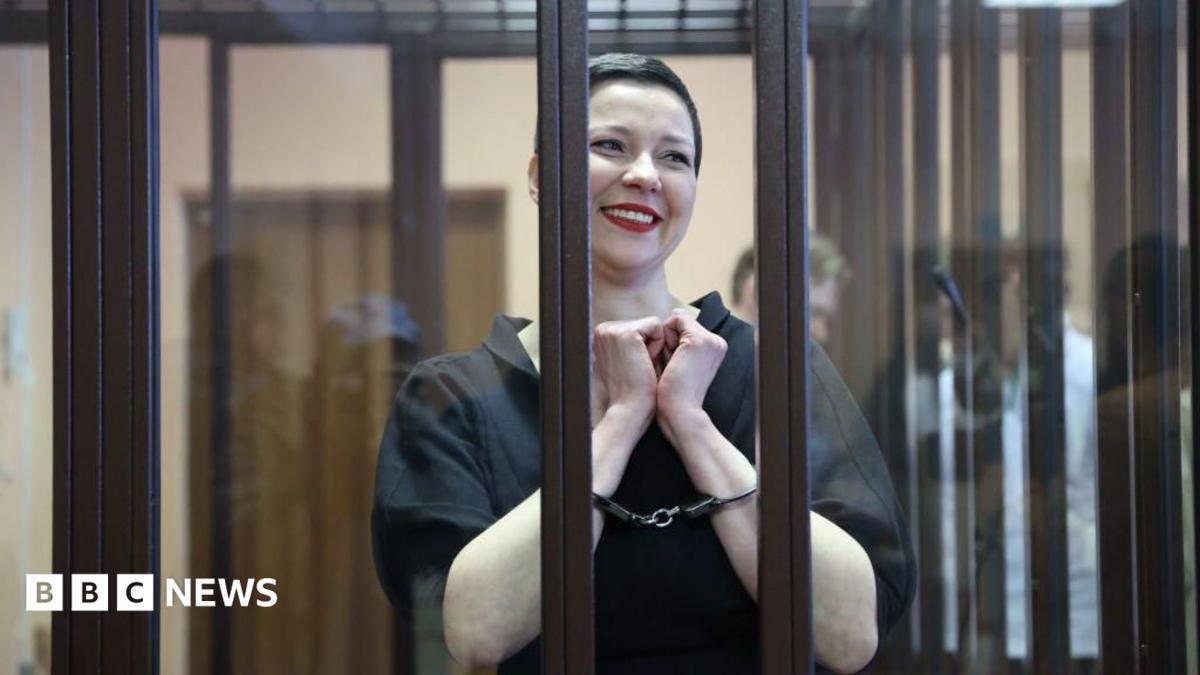
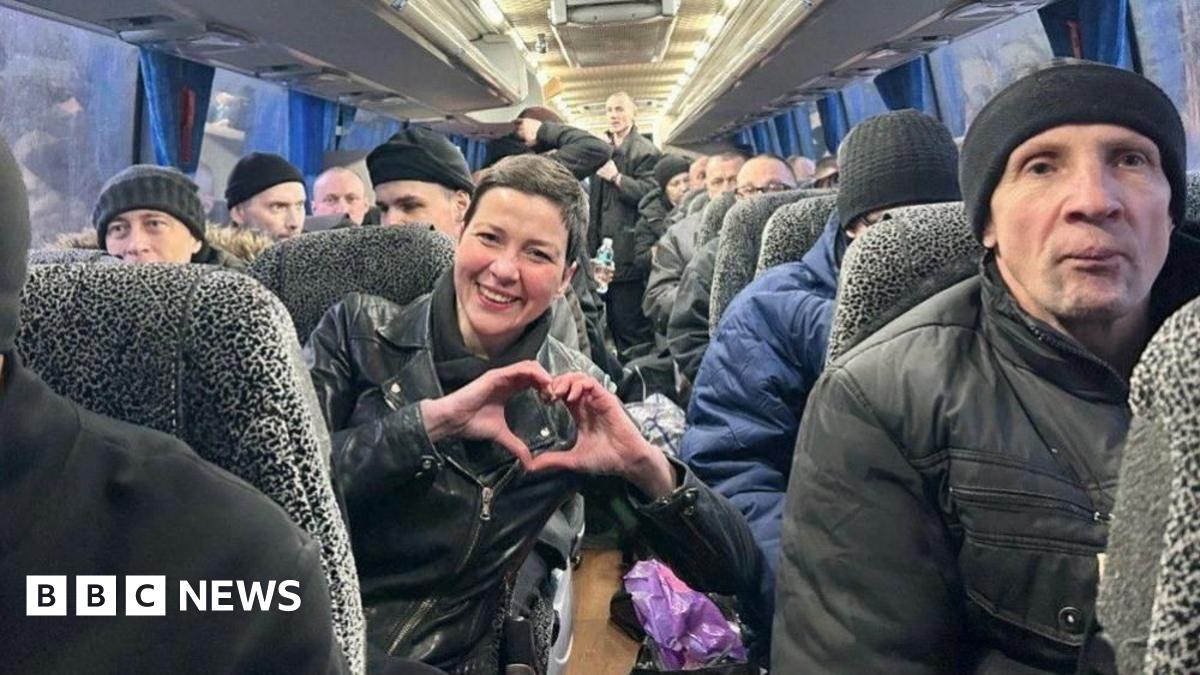
The released group included internationally known dissidents and some foreign nationals, with outlets listing names and citizenships that overlap but sometimes differ. Politico noted the group included a U.S. citizen, six citizens of U.S. allies, five Ukrainians, and high‑profile prisoners such as Nobel laureate Ales Bialiatski, opposition activist Maria Kolesnikava, and former presidential candidate Viktar Babaryka. Regional outlets reported where many were sent, with The Straits Times saying nine were flown to Lithuania and 114 sent to Ukraine.
KSAT’s bullet summary likewise noted freed activists arriving in Lithuania and Ukraine. Reports consistently identify Bialiatski and Maria Kalesnikava (Kolesnikova) among the most prominent freed figures.

U.S. envoy and Belarus deal
U.S. engagement and the role of special envoy John Coale are central to most accounts. Several outlets say Coale, representing President Trump, negotiated the exchange and that Washington agreed to ease sanctions, notably on Belarus's potash industry, as part of broader re-engagement. CBC reported that Coale said the action was carried out "per the instructions of President Trump."
“John Coale, the Trump envoy, said the action was carried out ‘per the instructions of President Trump.’”
EconoTimes and The Straits Times described the arrangement as lifting restrictions on Belarusian potash exports. U.S. officials are quoted as saying the step aimed to pull Minsk away from Russia and open space for further diplomacy.
Reactions to Belarus amnesty
Human-rights groups and opposition sources caution the releases do not resolve Belarus’s wider repression problem and stress that many political prisoners remain. Rights group Viasna’s counts are cited across multiple outlets. SSBCrack reported that Viasna estimates about 1,227 political prisoners still remain in Belarus.
The Moscow Times cited roughly 1,200, and The Straits Times used the 1,227 figure as well. Observers and the exiled opposition urged continued sanctions pressure. The BBC noted some observers warned the amnesty might be temporary, and opposition leader Sviatlana Tsikhanouskaya warned against prematurely lifting all sanctions.
Media reactions to U.S. move
Reactions and geopolitical readings differ by outlet. Many Western mainstream and West Asian outlets frame U.S. moves as pragmatic diplomacy aimed at pulling Lukashenko away from Russian influence. Western alternative outlets and tabloids emphasize either a diplomatic milestone or political bargaining.
“Washington said it is prepared to keep engaging with Belarus to advance U.S. interests and to push for the release of remaining political prisoners.”
Politico and The Straits Times report U.S. hopes for further releases and normalization. The Washington Examiner quoted officials calling it a significant milestone.
The Daily Mail and other opposition-focused pieces criticized the use of prisoners as bargaining chips. Across reports, journalists consistently note lingering skepticism and the risk that sanctions could be reimposed if Minsk backtracks.