Europe21 December, 20253 min read
Macron Greenlights Construction of France's Next-Generation Aircraft Carrier to Replace Charles de Gaulle by 2038
This article is an automated aggregation of coverage from news outlets. Our editorials offer in-depth analysis curated by the NewsCord team.
Macron approved implementation and construction of the PA-NG next-generation aircraft carrier New nuclear-powered carrier will replace Charles de Gaulle and enter service by 2038
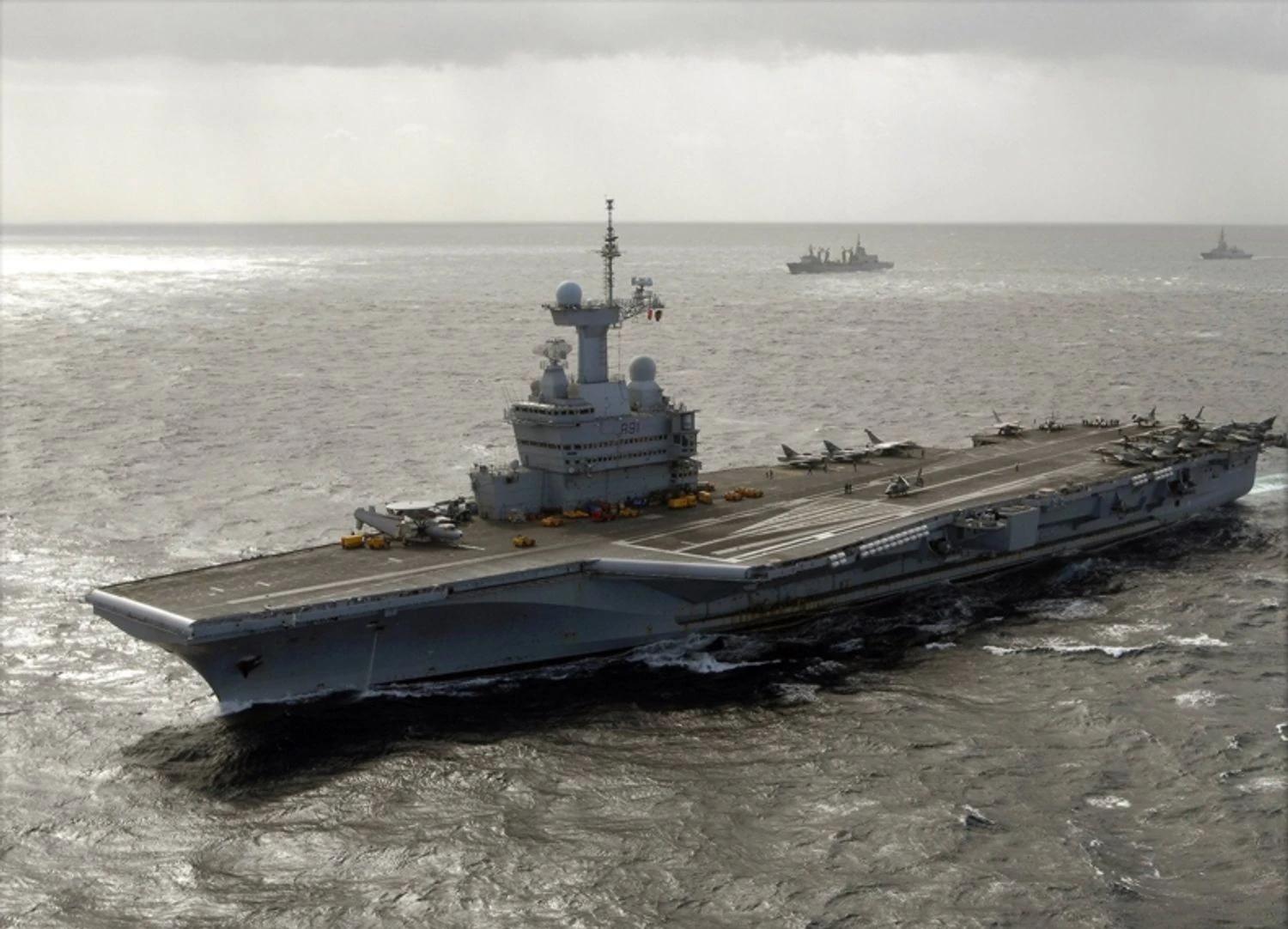
19 outlets told this the same way.
Outlets did split on Marco Rubio Urges Europe To Awaken From Slumber In Athens Speech →
Next-generation French carrier
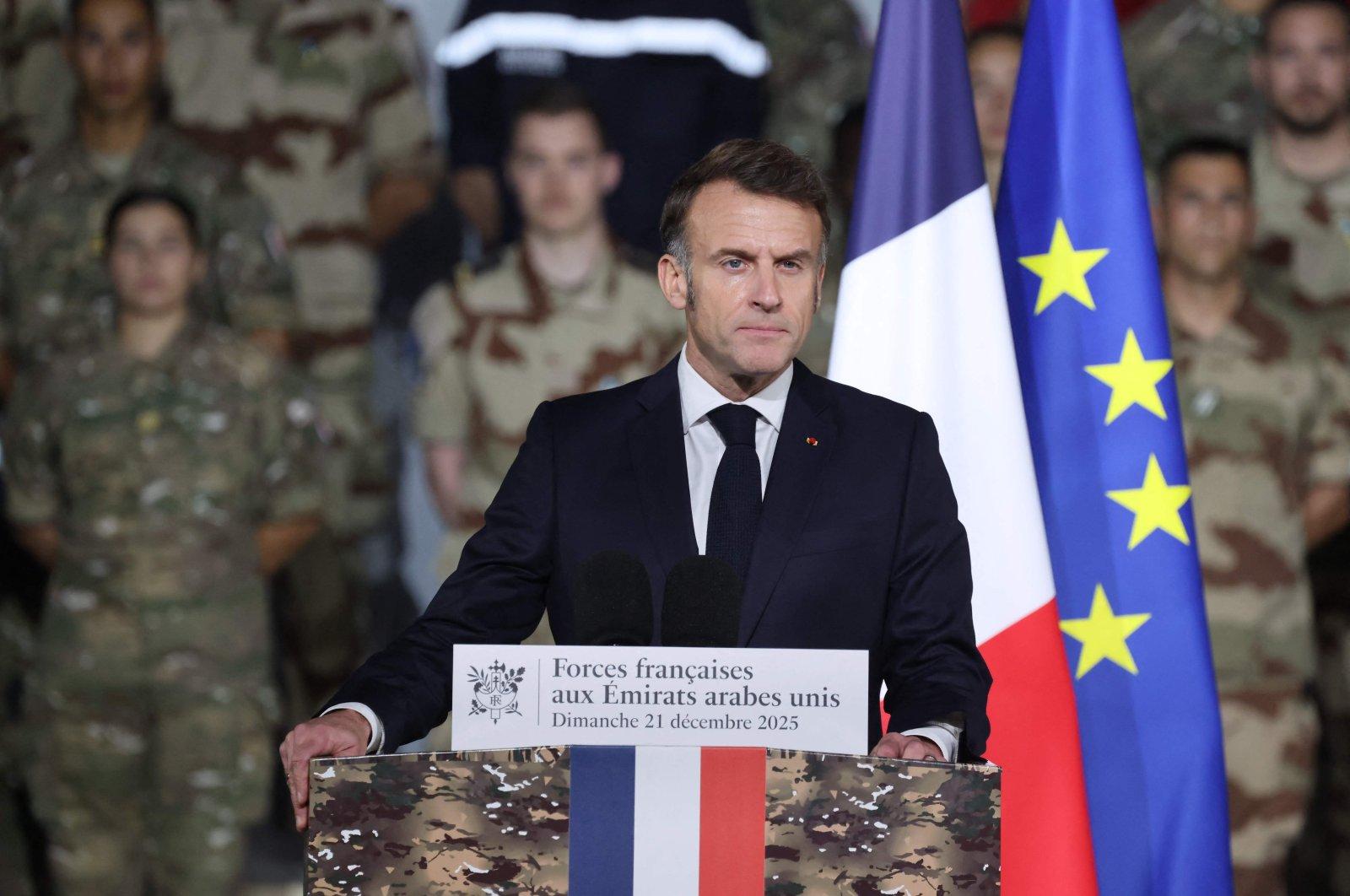
French President Emmanuel Macron on Dec. 21, 2025 formally approved the move from design to execution for a next-generation nuclear-powered aircraft carrier called the Porte‑Avions de Nouvelle Génération (PA‑NG) to replace the 42,000-tonne Charles de Gaulle and enter service around 2038.
“French President Emmanuel Macron on December 21, 2025 confirmed the final go-ahead to build a new nuclear-powered aircraft carrier, the Porte-Avions Nouvelle Génération (PA-NG), to replace the 42,000-tonne Charles de Gaulle by 2038.”
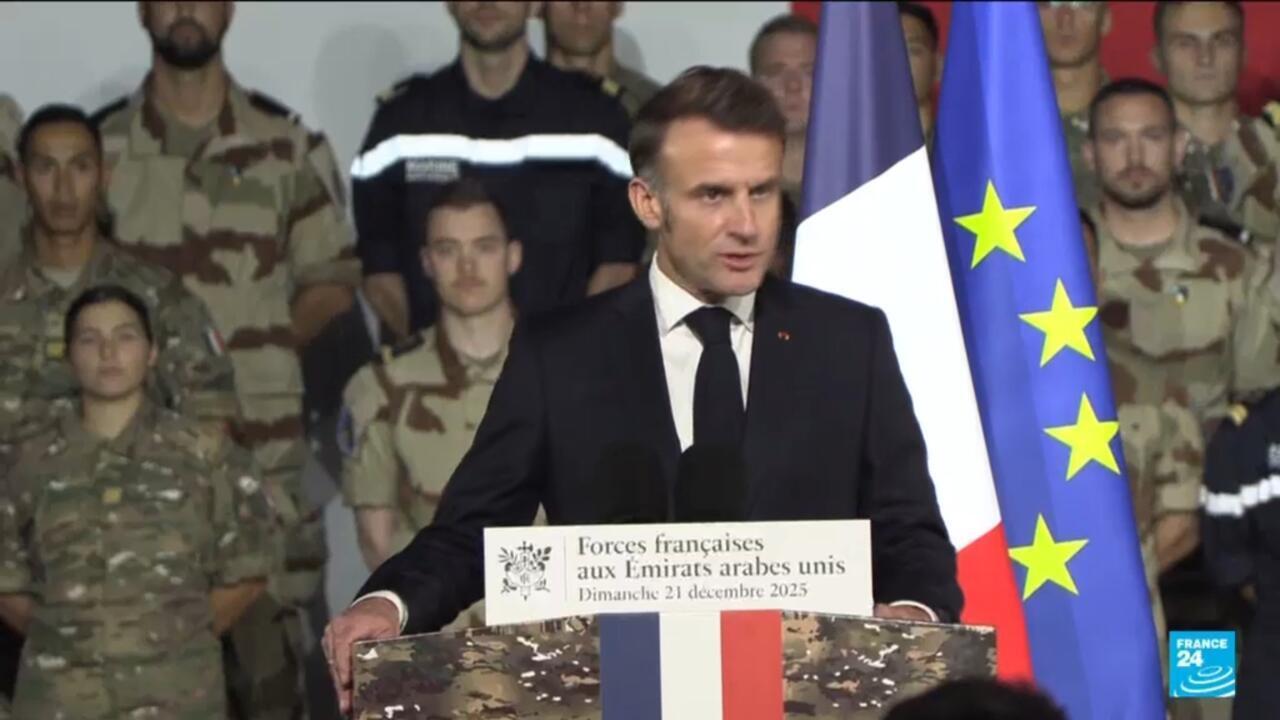
He announced the decision while visiting French troops in Abu Dhabi and said the step follows recent military programming laws and a comprehensive review.
The approval allows contract signing and construction preparations to proceed.
Several outlets framed the announcement as both strategic and political, noting Macron presented it as bolstering maritime power and European defence readiness.
Some domestic voices urged caution because of tight public finances.
New nuclear carrier specs
Published specifications vary slightly across reports but converge on a much larger, nuclear-powered design. Most outlets place the new carrier at roughly 75,000–80,000 tonnes and about 300–310 m in length, with an air wing of roughly 30 combat aircraft and a ship’s company near 2,000. Several sources say the design will include electromagnetic aircraft launch systems (EMALS) and advanced arresting gear from General Atomics and be powered by two new K22 reactors to provide the electricity required for future sensors, weapons and EMALS.
UK Defence Journal reports an enlarged 17,000 m² flight deck, capacity for more than 40 aircraft and three EMALS. Defence Industry Europe gives dimensions and a 77,000‑tonne displacement estimate, reflecting variation in public reporting of specific design choices still under development.

Naval programme overview
The programme is presented as a major industrial undertaking. The government says it will involve hundreds of suppliers and preserve thousands of jobs, with strong domestic sourcing and SME participation. Le Monde and Українські Національні Новини report contract-signing for about 800 suppliers and estimate a high percentage of SMEs among them.
“The project, led by Naval Group SA, is estimated at €10 billion and is expected to involve hundreds of companies — the government says it will support some 800 suppliers, about 80% of them SMEs.”
Outlook India stresses that about 90% of components will be sourced domestically and that hull work is due to begin around 2031. Defence Industry Europe and Naval Group-related reporting name the Saint-Nazaire shipyard and Chantiers de l’Atlantique as sites for hull construction, and Naval Group as the main contractor.
Debate over defence funding
Coverage prominently highlights budgetary and political debate. Cost estimates and fiscal framing vary across outlets, with DW citing roughly €10.25 billion and Українські Національні Новини and other reports giving about €10 billion, while multiple sources note domestic criticism and calls to postpone because of strained public finances and competing priorities. Le Monde, Times of Malta and other outlets report questions from military leaders and lawmakers and say the government is exploring legal financing mechanisms and legislative steps to secure defence spending amid a budget deadlock.
PA-NG strategic context
Observers place the PA-NG in a wider strategic and geopolitical context. Outlets cite the carrier as part of France's effort to bolster European deterrence after Russia's invasion of Ukraine, to operate future FCAS combat aircraft and drones, and to deepen bilateral defence ties with partners in the Gulf. DW links the programme to broader European strengthening after the war in Ukraine.
“It will still be smaller than U.S. supercarriers (over 100,000 tons); comparable-size carriers in China and the U.K. are conventionally powered.”
Le Monde and UK Defence Journal note the carrier's role in FCAS and Franco-European defence tensions. Daily Sabah and The Peninsula underscore Macron's talks in the UAE and the carrier's regional signalling.