Europe26 January, 20262 min read
Macron Pushes Lawmakers To Ban Under-15s From TikTok, Instagram And Snapchat By September
This article is an automated aggregation of coverage from news outlets. Our editorials offer in-depth analysis curated by the NewsCord team.
Macron asked government to fast-track legislation banning under-15s' social media access, effective September Bill would block TikTok, Instagram and Snapchat for users under 15

14 outlets told this the same way.
Outlets did split on Marco Rubio Urges Europe To Awaken From Slumber In Athens Speech →
Social media age limits
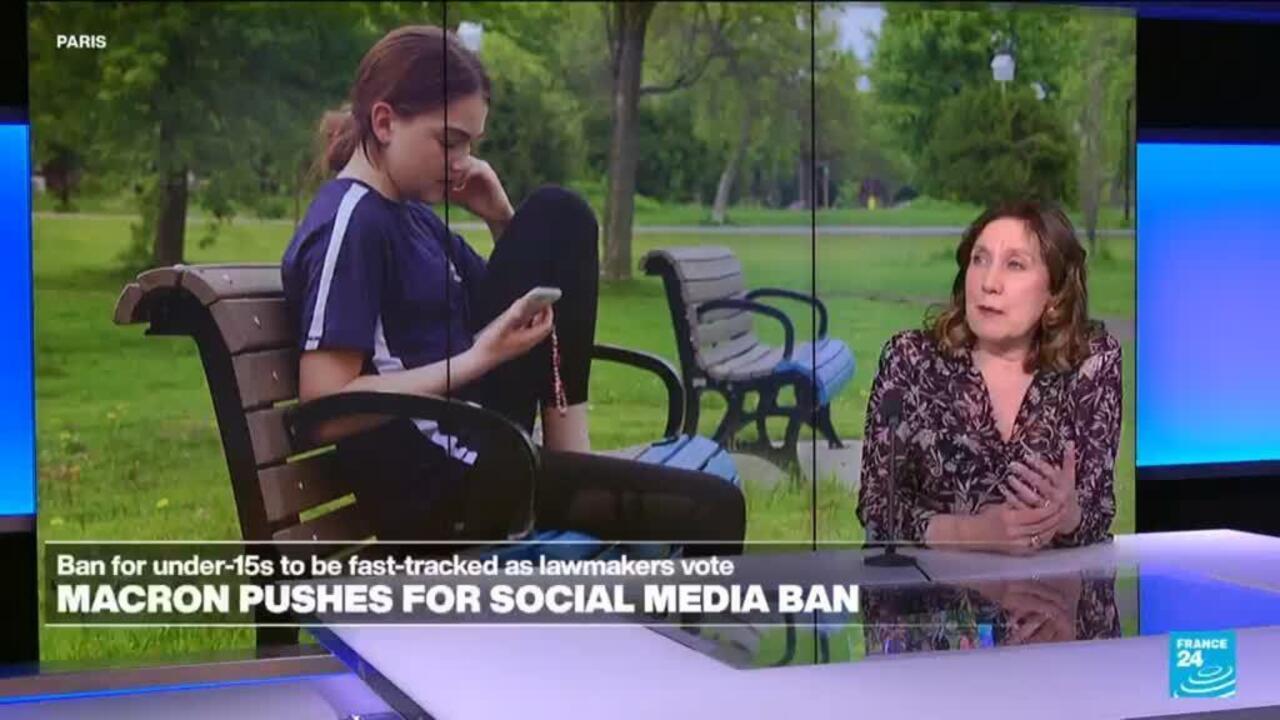
President Emmanuel Macron moved to fast‑track a draft law on 26 January 2026 that would bar children under 15 from using major social networks such as TikTok, Instagram and Snapchat and extend an existing mobile‑phone ban to senior schools, with the government aiming for the measures to take effect at the start of the school year in September. The proposal is presented as a public‑health measure by Macron and centrist lawmakers and is expected to pass the National Assembly with support from pro‑Macron parties as well as the centre‑right Republicans and the National Rally, after which it will go to the Senate. Reports link the push to broader international moves: Australia recently moved to bar under‑16s and other countries are considering similar limits, and Macron publicly urged a fast procedure to meet the September timeline.
“French President Emmanuel Macron is urging a nationwide ban on social media use by under-15s to take effect by the start of the school year in September.”
Youth online measures
Draft provisions would enforce a block on access to selected online platforms for children under 15. A secondary list of less-harmful services could remain available only with explicit parental consent. The bill would extend the existing mobile-phone ban to lycées (senior schools).
The state media regulator would be empowered to identify major platforms it deems harmful and to require platforms to deactivate non-compliant accounts within short deadlines. Some outlets reported a 31-day window for new accounts, while others said existing non-compliant accounts must be deactivated by December 31.

French concerns over social apps
Supporters frame the measure as a response to growing evidence of harms from social apps. France's health watchdog ANSES and other reporting point to links between heavy smartphone and social-media use and lower self-esteem, exposure to violent or self-harm content, cyberbullying, and other risks. These harms are described as particularly acute for girls in several accounts.
“France’s public health agency ANSES has warned apps such as TikTok, Snapchat and Instagram can harm adolescents—especially girls—via cyberbullying, exposure to violent content and other risks.”
The proposal is also linked in reporting to several families' lawsuits against TikTok alleging platform content contributed to teen suicides. It is also tied to national statistics cited by French authorities on teens' smartphone and social-network use.
Age verification law challenges
Reports highlight practical and legal challenges, noting that drafters rewrote parts of the text after a Council of State review to avoid legal flaws that sank a 2023 law. Several outlets flag the biggest technical hurdle as achieving credible age verification without intrusive identity or biometric checks.
They also say enforcement depends on an effective EU-level age verification framework that is currently under development. Some exemptions are being contemplated, including online encyclopedias and educational directories.
France's tech regulation push
The measure has cross‑party backing in the lower house and is being used by President Macron to project influence domestically; supporters such as Renaissance leader Gabriel Attal and several former prime ministers have voiced support.
“The proposal is expected to pass the National Assembly with support from pro‑Macron parties, the centre‑right Republicans and the far‑right National Rally, and would then go to the Senate, with the government seeking to fast‑track approval to meet the September target.”
Observers place the French push in an international context — noting it follows Australia’s decision to bar under‑16s — and financial analysts warn that Europe‑wide or spillover measures could pose commercial risks for Big Tech by reducing teen engagement and increasing compliance costs.