South America07 October, 20252 min read
Maduro Claims Venezuelan Right-Wing Extremists Plot False Flag Bombing of US Embassy in Caracas
This article is an automated aggregation of coverage from news outlets. Our editorials offer in-depth analysis curated by the NewsCord team.
Venezuelan security forces foiled a plot to plant explosives at the US embassy in Caracas. The plot was described as a false flag operation intended to escalate tensions with the US.

13 outlets told this the same way.
Outlets did split on Alexandre de Moraes Orders Eduardo Bolsonaro Arrest, Cancels Passport, Enforces Four-Year Sentence →
Venezuela Thwarts Embassy Bomb Plot
Venezuelan President Nicolás Maduro says his security forces thwarted a “false flag” bombing plot by local right-wing extremists to plant explosives at the US Embassy in Caracas. He argues the operation was designed to escalate tensions with Washington. Maduro claims the plot was detected using domestic and international intelligence.
“Venezuelan President Nicolas Maduro announced that his security forces thwarted a ‘false flag’ plot by extremist local right-wing groups to plant explosives at the US Embassy in Caracas.”
Security has been reinforced around the largely inactive mission since diplomatic ties were cut in 2019. Officials also warned the US about the threat. Venezuela’s dialogue chief Jorge Rodríguez says Washington was alerted.
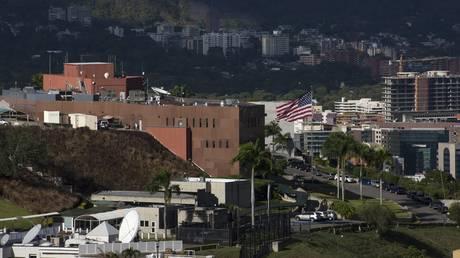
A Latin American outlet reports Caracas shared detailed threat information and received a positive response from US authorities. Venezuelan officials add they know who orchestrated the attempt and are moving to capture those involved.
US-Venezuela Diplomatic Tensions
The alleged plot occurs amid a severe downturn in US–Venezuela relations. Diplomatic ties have been severed since 2019, and the embassy operates with minimal or local staffing. Both sides have hardened their postures in response to the strained relationship.
Maduro and his officials report that security at the embassy has been increased. Venezuela has deployed forces along its borders as a precautionary measure. US military activity near Venezuela has intensified, including naval deployments, advanced aircraft, and counter-narcotics operations.
Caracas and some West Asian outlets describe these US actions as provocative. Recent strikes on vessels accused of drug trafficking have resulted in over 20 deaths according to one Western account and at least 21 according to another.
US Policy on Maduro
Washington accuses Maduro of drug-trafficking links and has raised the reward for his capture. Multiple outlets report that President Donald Trump has halted outreach to Caracas and considered further measures. West Asian and other sources quantify the bounty at $50 million, describing it as a doubling.
“Trump has accused Maduro of drug trafficking and doubled the reward for his capture to $50 million.”
A Western mainstream account notes the increase in the reward without specifying the amount. The US considers Maduro’s 2024 re-election illegitimate and supports opposition efforts, deepening the political divide.
Embassy Security and Plot Details
Operationally, outlets agree the embassy has operated with minimal or local staffing since 2019. Venezuelan authorities reinforced security after the alleged plot. Multiple reports say Washington was warned about the incident.
One report adds that a European embassy was also alerted. Officials say suspects are being hunted, with claims that the masterminds are known. The timing is specified by one West Asian outlet, which dates Maduro’s TV announcement to October 6, 2025.
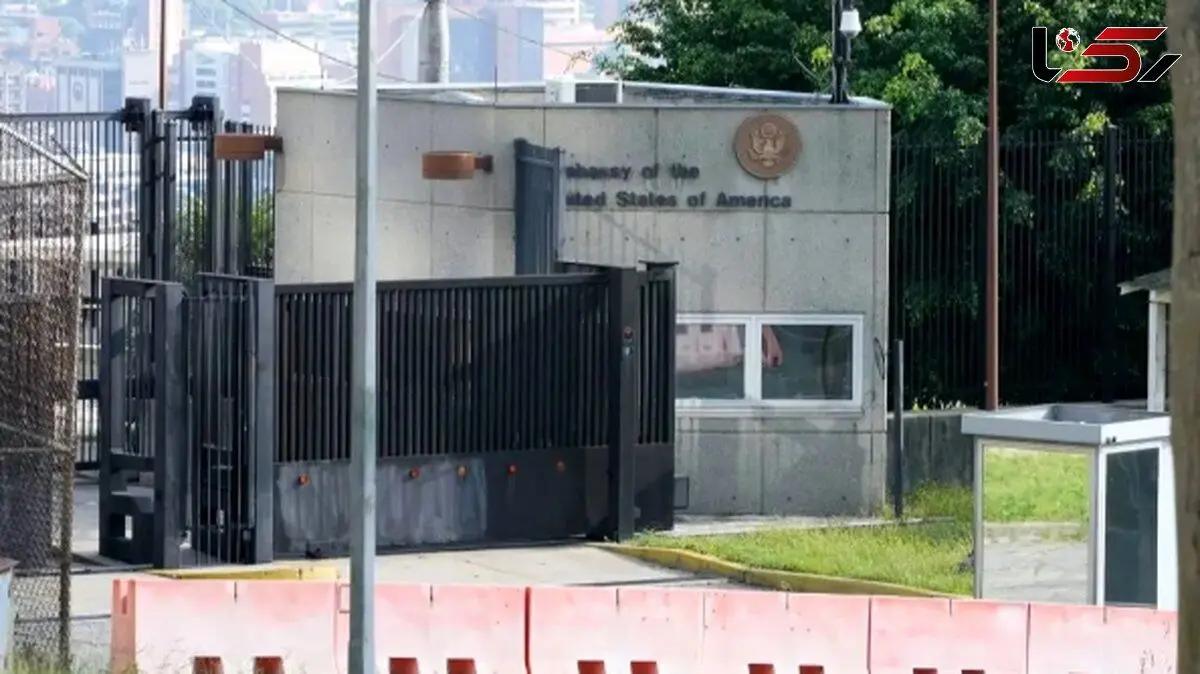
Media Coverage of US-Maduro Conflict
Coverage framing varies by source type. West Asian outlets focus on the "false flag" narrative and emphasize US military pressure. One West Asian source describes Washington’s counter-narcotics efforts as a pretext for aggression.
“The US does not recognize Maduro’s 2024 re-election, viewing it as illegitimate, and has supported opposition efforts to remove him from power.”
Western mainstream reporting presents Maduro’s claims alongside US accusations and institutional perspectives such as Papal outreach. Latin American coverage provides detailed diplomatic procedures.
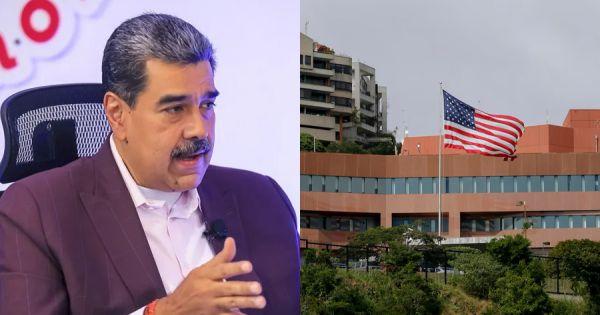
An Other outlet highlights the US refusal to recognize Maduro’s 2024 election victory. A Western alternative roundup mentions the story only briefly and offers little context.