South America01 January, 20262 min read
Maduro Detains U.S. Citizens After Trump Orders Military Strikes
This article is an automated aggregation of coverage from news outlets. Our editorials offer in-depth analysis curated by the NewsCord team.
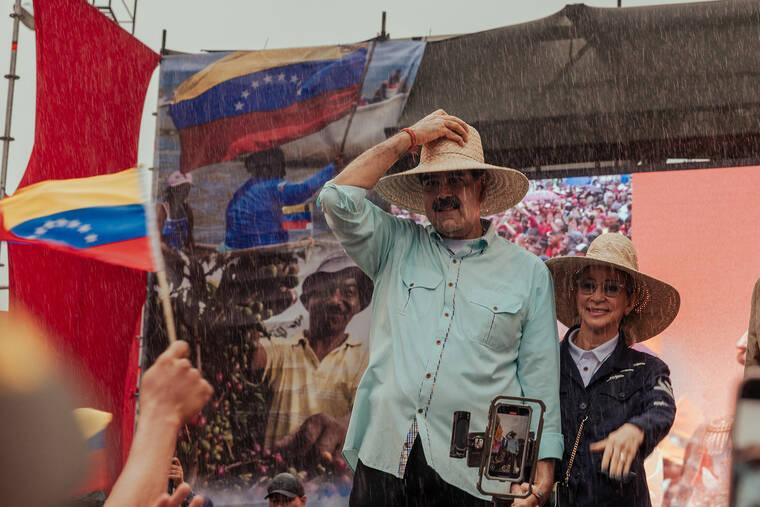
Venezuelan security forces detained several American citizens in recent months Detentions occurred amid escalating U.S. military and economic pressure under Trump
5 outlets told this the same way.
Outlets did split on Brazil Police Kill Suspect After 13 Kindergarteners Held Hostage In Curitiba →
Americans detained in Venezuela
Venezuelan security forces loyal to President Nicolás Maduro have detained several Americans in recent months, according to U.S. officials and reporting that ties the arrests to heightened tensions between Washington and Caracas. Sources say the detainees include three Venezuelan-American dual passport holders and two U.S. citizens with no known ties to Venezuela. While some face criminal charges, U.S. officials are considering declaring at least two as wrongfully detained as part of efforts to secure their release.
“Venezuelan security forces loyal to President Nicolás Maduro have detained several Americans in recent months, the New York Times reports, citing an unidentified U.S. federal official.”
U.S. pressure and detentions
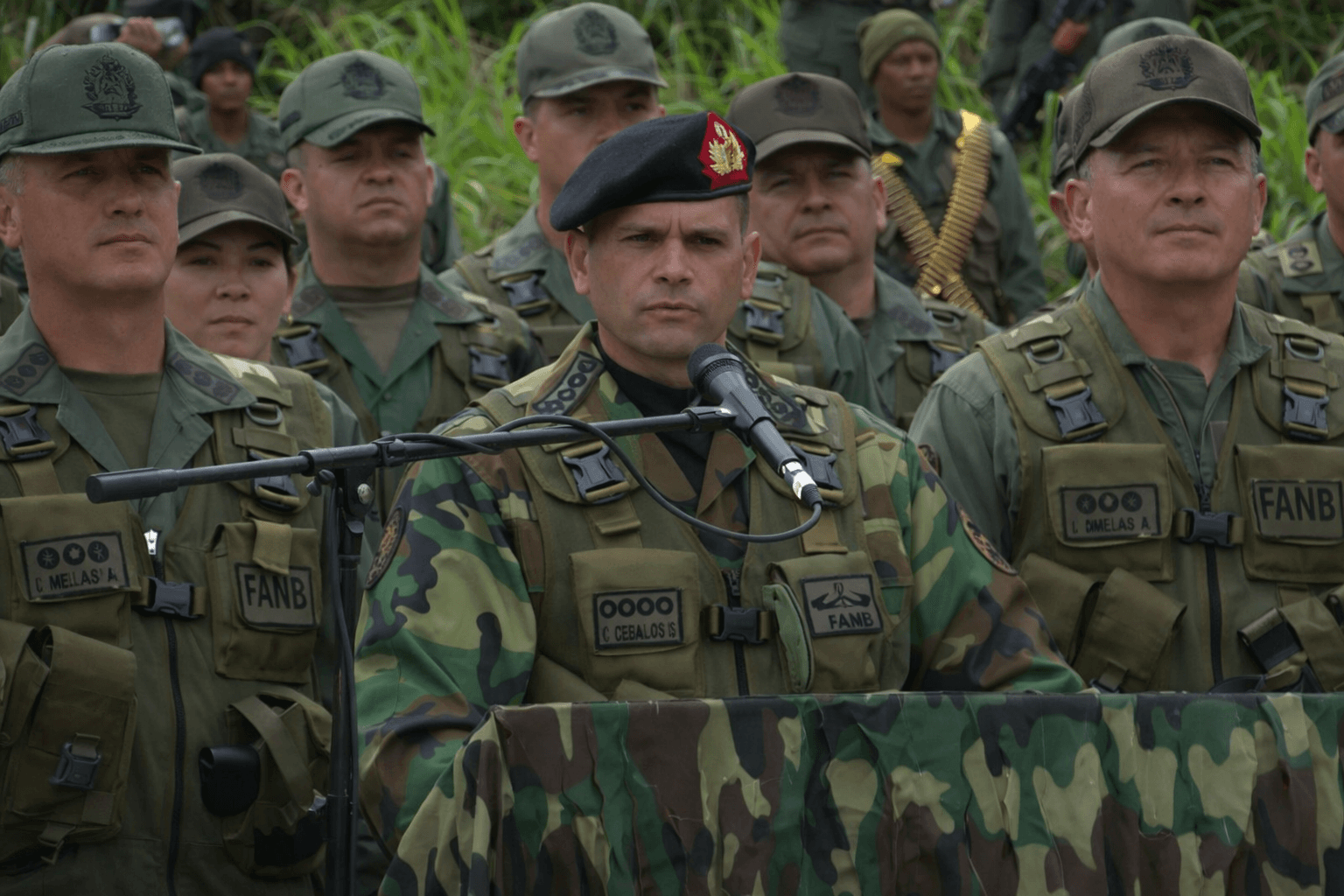
Several sources connect the uptick in detentions to stepped-up U.S. naval patrols, aerial surveillance and other pressure measures in the Caribbean region. Reporting describes U.S. actions as counter-narcotics and sanction enforcement, including strikes on boats and interdictions of tankers accused of carrying Venezuelan oil in violation of sanctions.
Observers and some outlets raise questions about oversight, proportionality and legal authority for those operations. One anonymous official and analysts explicitly link the suspension of prisoner-release talks and recent U.S. show-of-force actions to a rise in arrests, suggesting a causal relationship between U.S. military and economic measures and Maduro's detentions.
Reporting on Detentions
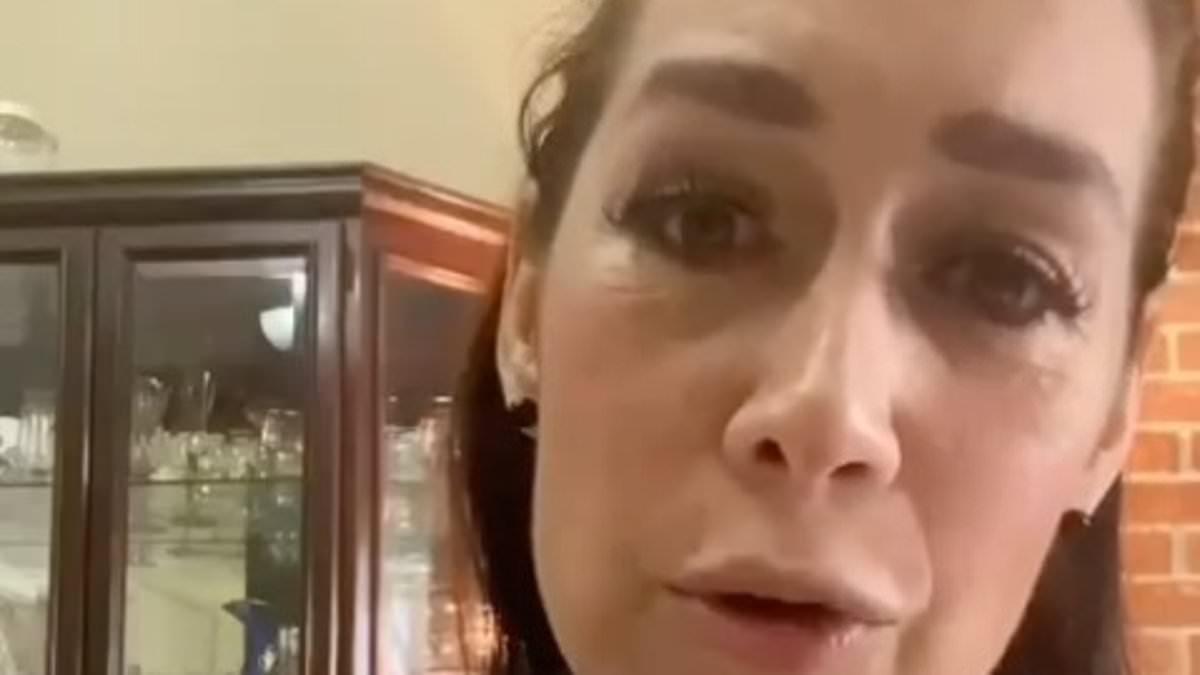
Among the individuals singled out in coverage is 28‑year‑old James Luckey‑Lange of New York, named by one report as possibly wrongfully detained after being reported missing following a border crossing into southern Venezuela in December. The Daily Mail highlights his biography and family connection — noting he is "the son of musician Diane Luckey of Q Lazzarus" and had been traveling after his mother's death — while other outlets focus less on personal detail and more on aggregate detention patterns and legal designations. All sources indicate U.S. officials are weighing the "wrongfully detained" label for at least two detainees as part of efforts to press for releases.
“One believed to be wrongfully held is 28‑year‑old James Luckey‑Lange of New York, who was reported missing after crossing into Venezuela’s southern border in December.”
Diplomatic detentions and precedent
Diplomatic complications and historical precedent feature in the coverage. Outlets note the absence of a U.S. embassy in Caracas and limited consular access, which complicate verification and assistance and leave families anxious.
Analysts remind readers that Maduro has a history of using detained Americans as bargaining chips. One report recalls that the U.S. previously secured the release of 17 Americans after envoy Richard Grenell negotiated, underscoring that detentions can become elements of wider geopolitical bargaining.
Media framing differences
Across the sources, tone and framing differ: tabloid coverage highlights personal stories and named individuals, while regional outlets stress geopolitical causes and legal-oversight concerns around U.S. military and sanction enforcement. The divergence affects what readers learn; for example, the Daily Mail's naming of a potentially wrongfully detained individual contrasts with the Grants Pass Tribune's emphasis on operational detail and consequences.
“One believed to be wrongfully held is 28‑year‑old James Luckey‑Lange of New York, who was reported missing after crossing into Venezuela’s southern border in December.”
The Hawaii Tribune-Herald presents an anonymous official's attribution to a Trump-era pressure campaign. Those differences reflect each source's editorial priorities and shape the perceived link between U.S. actions and Maduro's detentions.