Asia09 December, 20252 min read
Magnitude 7.5 Earthquake Strikes Northeastern Japan, Injures At Least 30
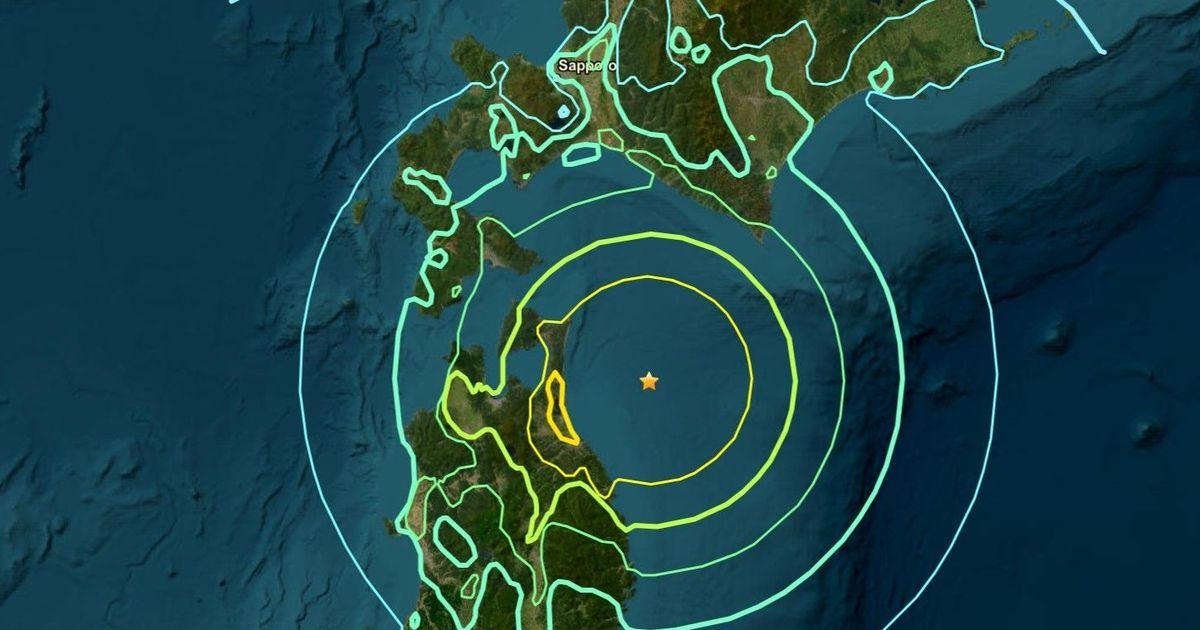
A magnitude 7.5–7.6 earthquake struck about 80 km offshore Aomori at roughly 50 km depth. At least 30 people were injured and about 90,000 residents were ordered to evacuate.

18 outlets told this the same way.
Outlets did split on Avalanche Strikes Himlung Himal Base Camp In Nepal, At Least 10 Missing →
Northeastern Japan earthquake update
A powerful earthquake struck off northeastern Japan late Monday night, injuring at least 30 people and prompting large-scale evacuations as tsunami warnings were issued and later downgraded.
“A magnitude 7.5 earthquake struck north-eastern Japan on Monday night at 23:15 local time (14:15 GMT), about 80 km off the coast of Aomori at a depth of 50 km.”
Local and international agencies reported the temblor occurred around 11:15 p.m. (JST) with initial magnitudes of 7.5-7.6 and an epicentre tens of kilometres offshore of Aomori.

Evacuation orders affected thousands to more than 100,000 residents, and officials urged people to move to higher ground.
The Japan Meteorological Agency and other authorities coordinated warnings and emergency responses while monitoring coastal areas for tsunami arrivals.
Tsunami alerts and impacts
Tsunami warnings were issued broadly for Hokkaido, Aomori and Iwate. Forecasts initially suggested waves as high as about 3 metres (roughly 10 feet) for some areas. Observed tsunami heights were much smaller in many ports, so warnings were downgraded to advisories and then cancelled.
Officials and monitoring agencies reported smaller arrivals, commonly tens of centimetres, at ports such as Kuji and Mutsu Ogawara. The Pacific Tsunami Warning Center warned of hazardous waves that could affect much longer coastlines in some briefings.

Damage and disruption overview
Reports of damage and disruption varied across coverage. Some outlets highlighted only limited immediate structural damage and a single fire. Other outlets documented localized injuries, power outages, suspended high-speed train services, and airport or flight disruptions.
“More than 4,200 homes lost power, injuries have been reported (including in Hachinohe and at a hotel), and NHK warned that quake-weakened buildings could be hazardous.”
Authorities and broadcasters reported injuries in Hachinohe and at a hotel. They said thousands of homes were briefly without power in some areas. Checks at nuclear plants found no immediate abnormalities.
Post-quake warnings and response
Officials warned residents to remain vigilant for strong aftershocks and for the possibility of comparable or larger quakes in the days after the main shock. National leaders moved quickly to coordinate the emergency response.
Japanese agencies and some reports cited the 2011 Tohoku disaster to underscore the need for urgency and preparedness. Prime ministerial offices and broadcasters urged people to follow evacuation guidance and stay alert.
Seismic report discrepancies
Reports contain important ambiguities and revisions. Outlets cite differing magnitudes (7.5 vs 7.6), depths (about 33 miles / ~50 km vs 54 km), epicentre distances (about 44 miles / 53 km vs 80 km off Aomori), and evacuation tallies (roughly 90,000 to over 114,000). These differences reflect real-time updates, agency revisions, and varying local measurements, so readers should expect numbers and technical details to be refined as seismological agencies and authorities complete their analyses.