Mahfouz Walid Aziz Says Iran Redesigns Middle East Deterrence Balance
Key Takeaways
- Iran strengthens its deterrence capabilities and reshapes the regional balance of power.
- Iran emerges as principal pillar of deterrence, redesigning the Middle East power order.
- Western-dominated regional order is being challenged by Iran-led deterrence and power shifts.
Iran’s deterrence role
An interview with Mahfouz Walid Aziz, Secretary-General of the Mauritanian Unionist Party (Al-Hizb Al-Wahdawi), argues that Iran has emerged as a “principal pillar” in engineering a new balance of power in the Middle East as American hegemony and Israel’s monopoly over deterrence erode.
“Despite Israeli military victories, the war is strengthening Tehran's position and altering the balance of power in the region”
Walid Aziz says deterrence is no longer monopolized by a single actor and that Iran’s “consolidation of Iran’s victory” is measured by Tehran’s ability to impose its presence within regional decision-making equations and prevent unilateral domination.

He adds that Iran’s presence reflects a “genuine capability for creating a new balance of deterrence,” shifting Iran from defensive confrontation to influencing the shaping of the emerging regional order.
Within that same framework, Walid Aziz argues that the “unity of fronts” means battlefronts can no longer be separated or individually contained, because any confrontation on one front can expand into other arenas.
He concludes that the Middle East is passing through a transitional phase toward the birth of a new regional deterrence order in which the logic of American and Israeli monopolization is steadily declining while Iran’s role becomes firmly established.
Ceasefire and Hormuz
An analysis by James Gori in اپک تایمز فارسی says a two-week ceasefire between the Donald Trump administration and the faction that holds power in Iran has been agreed, while asking whether it will endure and lead to an end to the war.
The piece frames the Strait of Hormuz as central to U.S. focus, saying it is a narrow but vital passage through which roughly 20–25 percent of the world’s seaborne oil passes, and that the conflict has had negative effects on global oil markets.

It describes recent incidents including drone shoot-downs, tanker seizures, and naval confrontations, and says the region has become an active flashpoint demanding constant U.S. attention.
In a separate account, Ali Akbar Velayati, adviser to Iran's Supreme Leader, says the equation of peace in the Middle East is built on a balance of power and that Iran continues to strengthen its capabilities as the map of influence is redrawn.
Velayati adds in a post that Reuters and The Guardian acknowledged the need for U.S. President Donald Trump to reach a temporary agreement to reopen the Strait of Hormuz, calling it a collapse of the doctrine of pressuring Iran and a victory for the axis of resistance.
Regional stakes and power
The Washington Institute’s Dr. Soner Cagaptay says Ankara’s view is grounded in the balance of power principle, with close attention on preventing Iran from obtaining a nuclear weapon or descending into chaos, even if war outcomes largely lie beyond Turkey’s control.
“News Center Ali Akbar Velayati, adviser to Iran's Supreme Leader, stressed that the equation of peace in the Middle East is not built on concessions, but on a balance of power, noting that Iran continues to strengthen its capabilities, reflected in the reshaping of regional influence maps”
Cagaptay writes that on May 22, the U.S. Secretary of State Marco Rubio met Turkish Foreign Minister Hakan Fidan to discuss multiple issues including the Strait of Hormuz and regional conflicts, and that Turkey sought to avoid involvement in the United States–Iran confrontation.
He adds that Turkey joined Pakistan in seeking a political settlement to end the war, and that Iran refrained from launching further missile attacks against Turkey since March 30.
In El País, the argument is that despite Israeli military victories, the war is strengthening Tehran’s position and altering the balance of power, saying it is not Israel that is shaping the map of the Middle East but “the Islamic Republic of Iran, thanks to its control of the Strait of Hormuz.”
El País further claims that control of the Strait of Hormuz has become a dogma for Tehran and that the new Iranian leadership confronted the naval blockade of the first superpower while expanding the battlefield to the entire Persian Gulf.
More on Iran

Iran Launches Missiles Toward Israel After Israeli Air Raid on Beirut Suburbs
22 sources compared
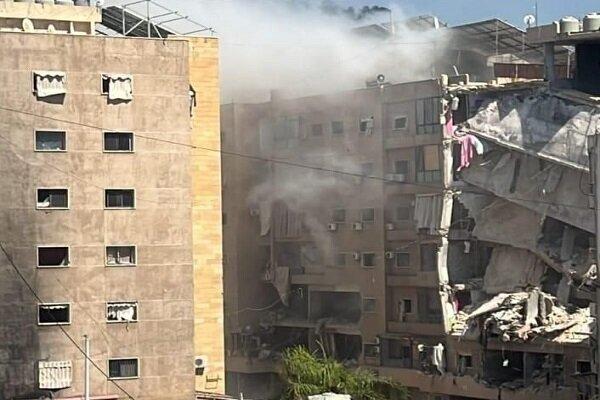
Iran Launches Missiles At Israel After Beirut Strike, Israel Intercepts Waves
17 sources compared
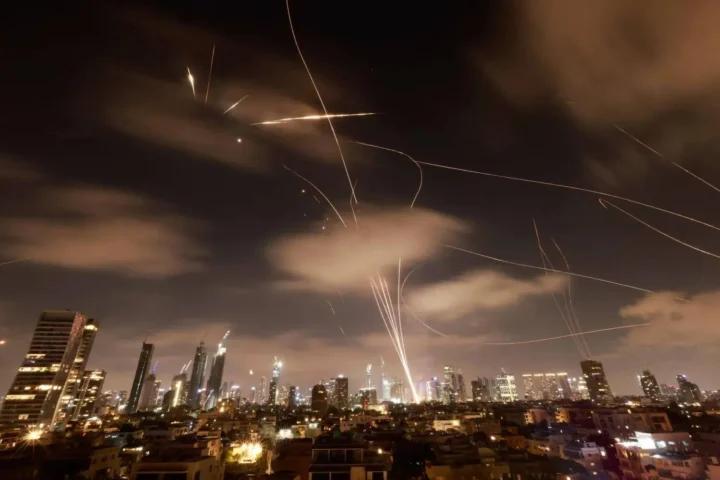
Iran Launches Missiles At Israel After Beirut Suburb Bombardment
27 sources compared
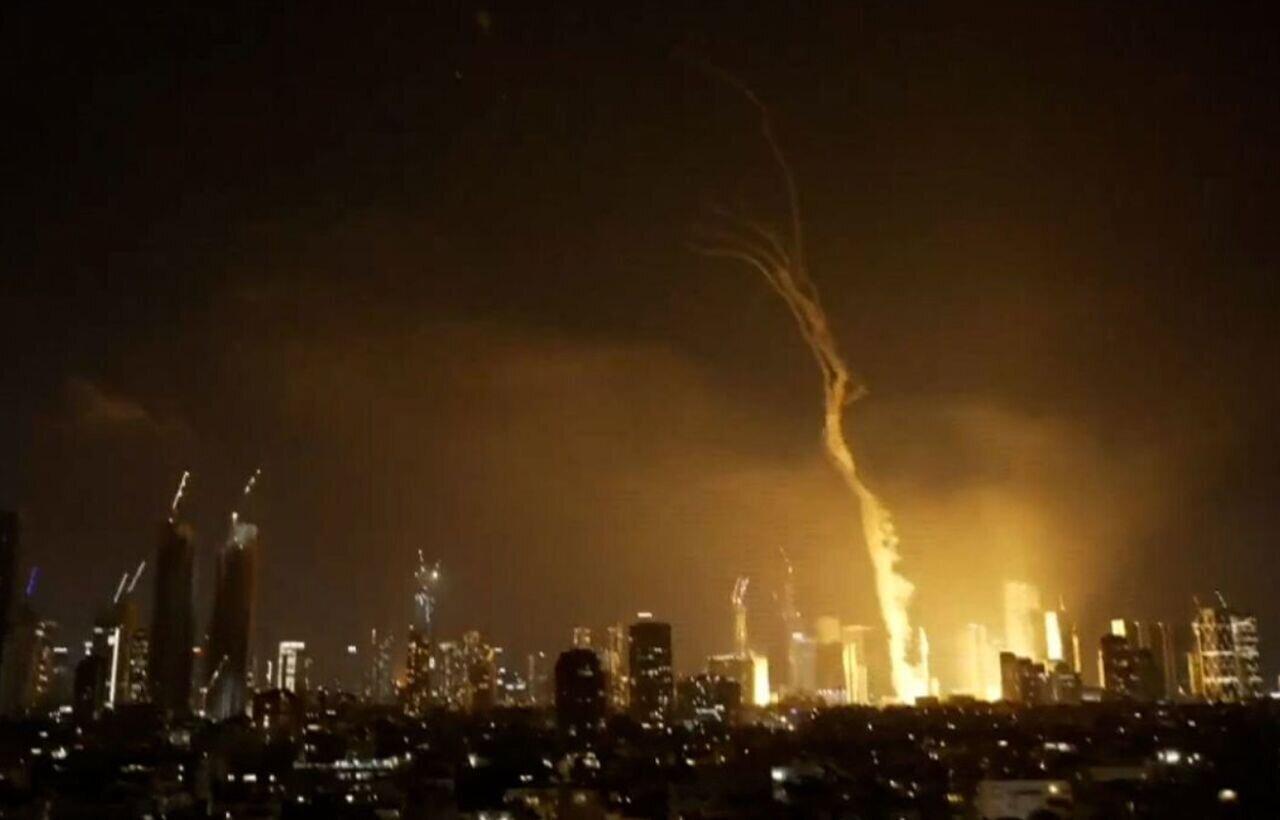
Iran Fires Missiles at Israel After Warnings Over Lebanon Assault
19 sources compared