USA22 October, 20252 min read
Majority of Americans Demand US Recognize Palestinian Statehood Despite Trump Opposition
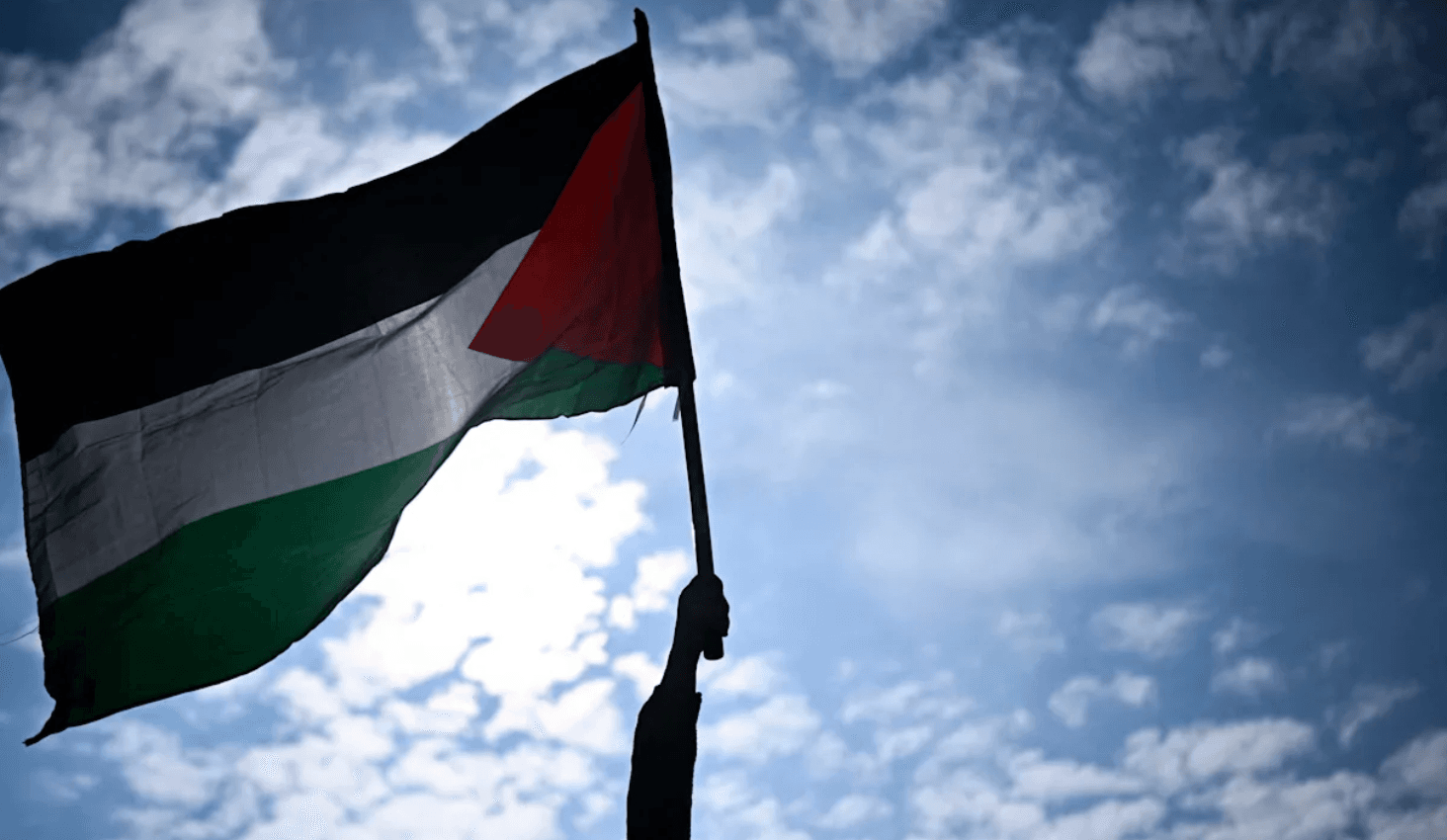
59% of Americans support US recognition of a Palestinian state, per Reuters/Ipsos poll 80% of Democrats and 41% of Republicans back US recognition of Palestinian statehood

11 outlets told this the same way.
Outlets did split on Trump Interrupted by Protesters at San Antonio Rally for Ken Paxton →
US Public Opinion on Palestinian Statehood
A new Reuters/Ipsos survey finds a clear majority of Americans—59% overall—favor the United States recognizing Palestinian statehood. Support spans 80% of Democrats and 41% of Republicans, even as former President Donald Trump opposes recognition. Several outlets note that while Republicans are split, a majority of GOP respondents (53%) oppose recognition.
“A recent Reuters/Ipsos poll shows that 59% of Americans support US recognition of Palestinian statehood, including 80% of Democrats and 41% of Republicans… Trump’s opposition to recognition is out of step with public opinion.”
Coverage links the U.S. debate to international moves, with some reports emphasizing that U.S. allies such as Britain and France have recognized Palestinian statehood. Other accounts include Canada and Australia as countries that have recognized Palestinian statehood, intensifying pressure on Israel and shaping public opinion. Overall, the polling underscores a public tilt toward recognition despite partisan divides and Trump’s stated opposition.
American Views on Gaza Conflict
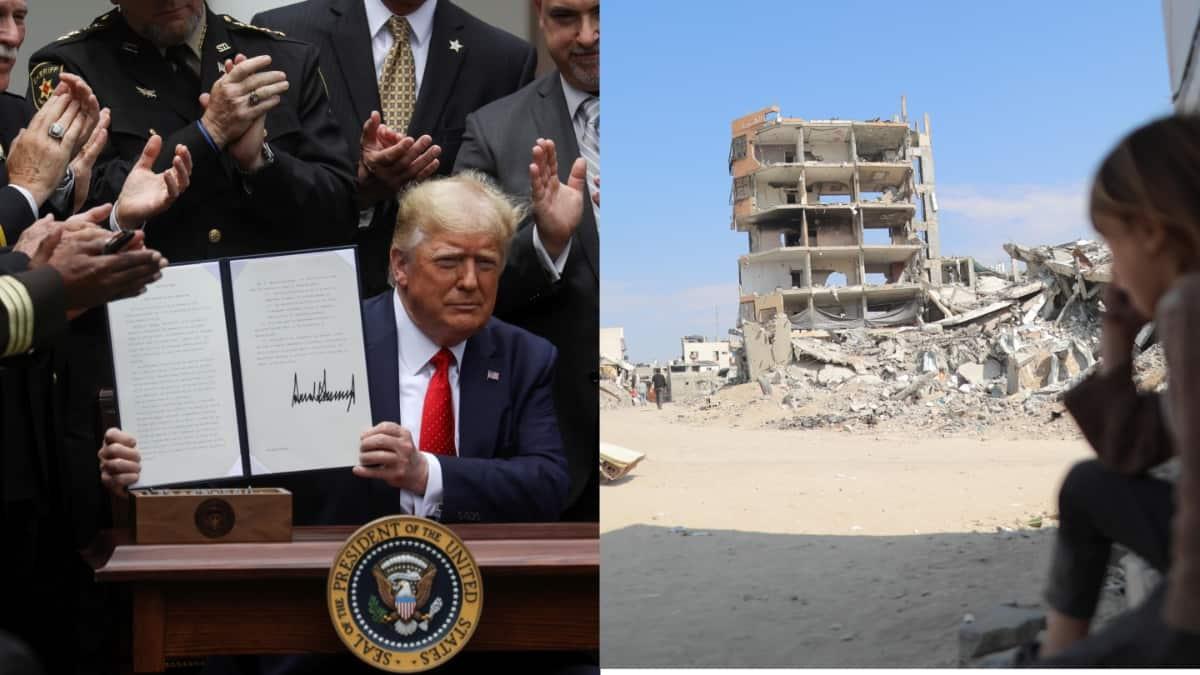
The poll reveals growing discomfort among Americans regarding the Gaza conflict. About 60% of Americans consider Israel’s military response to be excessive. At the same time, 51% believe Trump should receive significant credit if the ceasefire he helped negotiate holds.
Trump’s foreign policy approval rating has increased to 38%, its highest level since July. Some reports provide additional context: i24NEWS states that 32% of Americans justify Israel’s actions. The report also highlights a rising preference for diplomatic solutions over military ones, especially among younger voters who prioritize human rights and international law.
Fragile Gaza Peace Process
Despite tentative progress, the ceasefire and broader peace track remain fragile. Multiple sources warn that renewed violence has threatened the truce and that core issues—disarmament of Hamas, further Israeli troop withdrawals, and the governance of Gaza—remain unresolved.
“Key issues in the Israeli-Palestinian conflict remain unresolved, such as Hamas disarmament, further Israeli troop withdrawals, and Gaza's future governance.”
Asian and West Asian outlets alike report ongoing U.S. diplomatic pressure on both Israel and Hamas to adhere to the plan. This underscores that the political structure of Gaza is still unsettled and could derail any durable peace.
Survey Details and Public Opinion
The survey details are important for interpreting the shift in public opinion. Reports mention a nationwide online sample of 4,385 respondents. Aaj English TV adds a two-point margin of error to the results.
The Straits Times specifies that the survey was conducted over six days ending October 20, 2025. This methodological transparency accompanies the main findings on public attitudes. A majority of the public supports recognition.
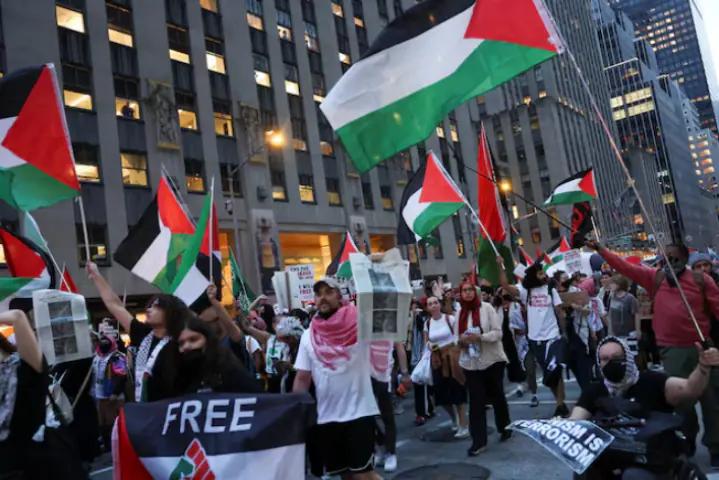
There is growing concern about the Gaza offensive. Conditional approval is given to Trump if peace efforts are successful.
Global Reactions to Palestinian Statehood
International moves to recognize Palestinian statehood form a powerful backdrop. Devdiscourse links shifting U.S. opinion to allies’ recognitions, naming Britain and France and noting the growing pressure on Israel. West Asian and other Asian coverage broadens this to include Canada and Australia and reports Israel’s condemnation of those recognitions.
“This shift aligns with several Western allies, including the UK, Canada, France, and Australia… drawing criticism from Israel.”
Against this backdrop, several outlets also note a modest rise in Trump’s foreign policy approval to 38% amid debate over his role in a ceasefire. This rise occurs even as violence threatens to upend any gains.