
Majority of U.S. Voters Reject U.S. Ground Invasion of Iran
Key Takeaways
- Quinnipiac poll found 53% of U.S. voters oppose Operation Epic Fury.
- 40% of U.S. voters back the operation, according to Quinnipiac.
- Nearly three-quarters of respondents oppose use of U.S. ground forces in Iran.
Polls show majority opposition
Multiple recent polls show a clear majority of U.S. voters oppose a U.S. ground invasion of Iran, with many respondents saying they would not support sending American troops into another Middle Eastern conflict.
“More than half of the American electorate opposes the ongoing military campaign against Iran, according to a new poll, in which nearly three-quarters of respondents also said they would be against the use of U”
Polling organizations and major outlets report consistent opposition across national samples, noting that a plurality or majority express concerns about the human cost and strategic risks of a land invasion.
These results have been summarized and analyzed across mainstream and international media, reflecting broad public reluctance to endorse large-scale ground operations in Iran.
Partisan divide in support
Support for a ground invasion breaks down sharply along partisan lines: Republican voters are more likely to express conditional support, while Democratic voters and independents lean strongly against it.
Analysts in several outlets emphasize that even among those who express security concerns about Iran, many stop short of endorsing a prolonged ground campaign.
The partisan gap complicates pressure on elected officials, as leaders weigh both base expectations and broader national reluctance.
Reasons for opposition
Voters cite predictable practical and moral objections: fear of high American and Iranian casualties, uncertainty about achievable objectives, expected financial cost, and the risk of regional escalation.
“More than half of the American electorate opposes the ongoing military campaign against Iran, according to a new poll, in which nearly three-quarters of respondents also said they would be against the use of U”
Commentators and foreign-policy experts quoted across outlets warn that a ground invasion could inflame broader Middle Eastern conflicts and draw in U.S. partners and adversaries, which resonates with public anxieties reflected in the polls.
Concerns about repeating the costs of past U.S. ground wars—both politically and socially—are repeatedly invoked by respondents and analysts.
Political consequences in Washington
Public opinion is shaping political calculation: lawmakers have signaled caution, and some members of Congress are calling for limits, oversight, or explicit authorization before any major military escalation.
Media reporting shows that administration officials and congressional leaders are sensitive to polling numbers as they consider messaging and potential authorizations for force.
The domestic political cost of supporting large-scale ground operations — especially when public sentiment is negative — is repeatedly noted by Capitol Hill reporters and analysts.
Allies and international caution
International actors and U.S. allies are also reported to be cautious, warning of consequences and urging restraint.
“More than half of the American electorate opposes the ongoing military campaign against Iran, according to a new poll, in which nearly three-quarters of respondents also said they would be against the use of U”
Coverage highlights diplomatic efforts to avoid escalation and notes that global public opinion and partner-state concerns reinforce domestic reluctance toward a ground campaign.
Observers in multiple outlets say that the combination of U.S. public opposition and allied caution makes a large-scale ground invasion politically and practically difficult to sustain.
More on Iran
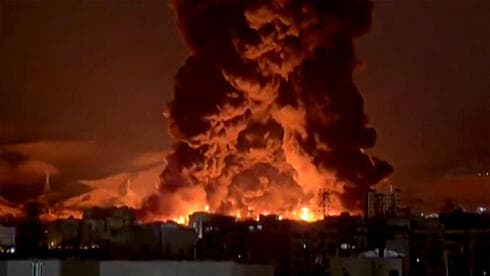
US obliterates military targets on Iran’s Kharg Island, Trump warns
13 sources compared
US Deploys About 2,500 Marines to Middle East After Iran Attacks Gulf Shipping
33 sources compared
FBI Warns of Iranian Drone Plot Based on Unverified Tip; California Says No Credible Threat
10 sources compared

White House Demands ABC Retract Report Claiming Iran Sought To Launch Drone Attacks On California
11 sources compared