Full story
Mali rejects U.S. role
Mali’s government said it does not rule out U.S. military intervention while also rejecting reports that the Trump administration is weighing action against Islamist militants in the West African country, with Foreign Minister Abdoulaye Diop telling reporters in Bamako on Thursday that Mali had “no confirmation and no official statement from the United States or U.S. officials on this matter.”
“The Malian government has rejected reports of US intervention in the fight against the jihadist group JNIM, saying the claims are false”
The Washington Post reported Wednesday that the Trump administration is considering military action against JNIM, described as Al-Qaeda’s affiliate in Mali, Burkina Faso and Niger, and Diop said, “We have no confirmation and no official statement from the United States or U.S. officials on this matter,” adding, “I can assure you that Mali is not sitting idly by, waiting for others to come and solve our problem.”

The Independent framed the possible strikes as part of a broader pattern, saying the administration is reportedly considering military action against JNIM, or Jama’at Nusrat al-Islam wal-Muslimin, which has claimed responsibility for “a series of deadly attacks and kidnappings” since announcing its formation in 2017.
The Independent also said JNIM is allied with al-Qaeda and has increasingly attacked nearby West African nations, including “a lethal attack at an airport in Niger’s capital last month,” while terrorizing Mali’s interior with “fuel blockades and sieges.”
Lawmakers demand answers
As reports circulated that the Trump administration is considering military intervention in Mali, Semafor said lawmakers from both parties were caught by surprise when asked about the plan, with Sen. Chris Coons saying, “What US military intervention?”
Semafor reported that Sen. Tim Kaine said he had “seen headlines” but “heard nothing from the administration,” while other senators including Ted Cruz, Todd Young, Josh Hawley, Mark Kelly, Raphael Warnock, and Chris Van Hollen said they had either not seen the reports or had not been briefed.
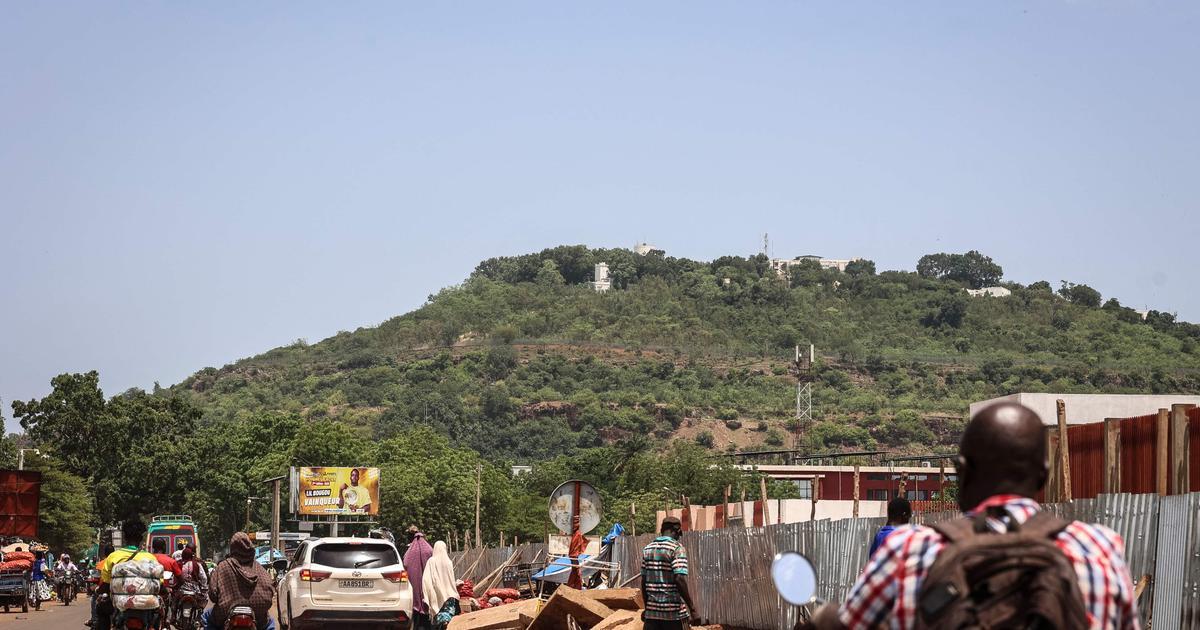
The Washington Post’s reporting, as described by Semafor, said the administration is considering strikes to target Jama’at Nusrat al-Islam wal-Muslimin, known as JNIM, and that if carried out Mali would become the eighth country where Trump has ordered military strikes during his second term.
Semafor also quoted Sen. Cory Booker warning of “concerns about a military adventurism of our country,” and quoted Nathaniel Powell of Oxford Analytica saying of a possible American intervention, “If 5,000 French troops deployed in the Sahel over a decade could not stem the spread of jihadist insurgencies, a few US airstrikes won’t either.”
What’s at stake next
The debate over possible U.S. action in Mali is playing out against a backdrop of deteriorating security and shifting partnerships, with The Telegraph saying Mali is led by a military junta following coups in 2020 and 2021 and that JNIM implemented a fuel blockade on Bamako and much of southern Mali last year.
“An exclusive report from the Washington Post claims that the Trump administration is considering militarily targeting the Islamic and Muslim Support Group (GSIM, or JNIM as its Arabic acronym) in Mali”
The Telegraph also said Mali’s military government, led by General Assimi Goïta, turned to Russia for security assistance and that Wagner Group mercenaries deployed fighters to the country in 2021, while it added that JNIM killed defense minister Sadio Camara in a suicide attack in April.
RFI reported that an expert it contacted said the “possibility of a military offensive” against JNIM “remains fairly limited,” and that if a U.S. action materialized it “would probably be air strikes,” while it also quoted Mali’s Foreign Minister Abdoulaye Diop stressing, “We have no information, no official statements from the United States or American officials on this question.”
RFI further said Andrew Lebovich argued that “One more intervention will not change the situation,” and that even if the United States succeeds in targeting another leader of JNIM, it would likely not be enough to change conditions on the ground.