Mexico06 November, 20252 min read
Man Grops Mexico President Claudia Sheinbaum on Street; She Presses Charges
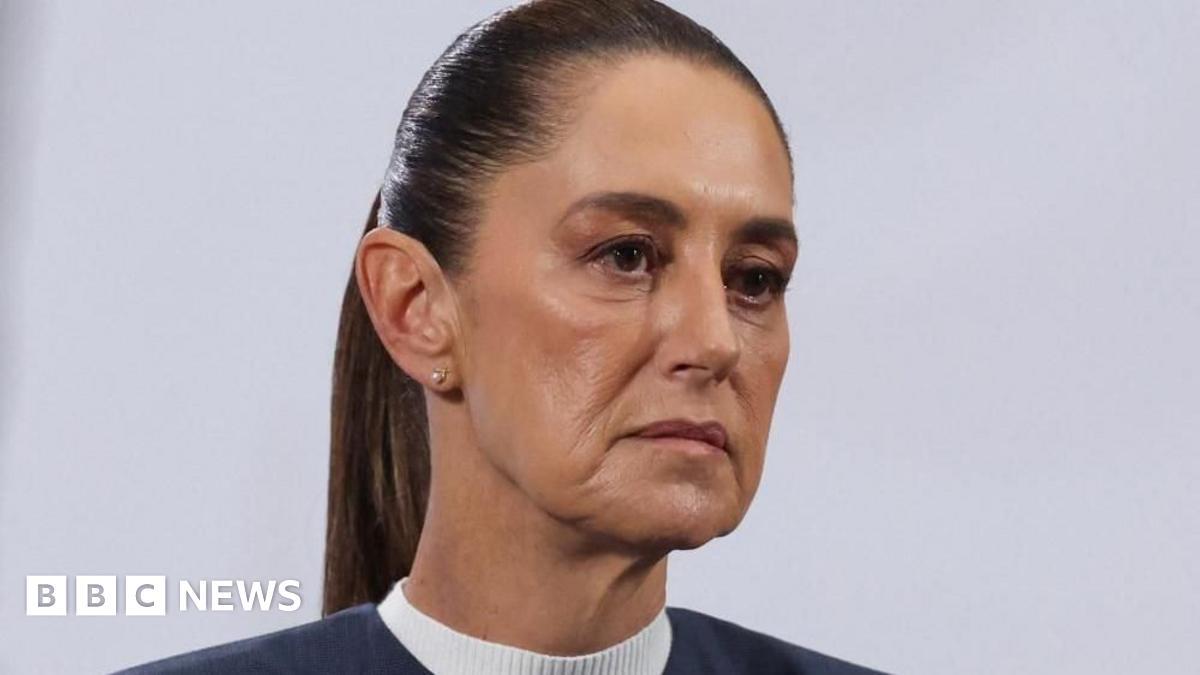
An intoxicated man groped and attempted to kiss President Claudia Sheinbaum in public. Sheinbaum pressed criminal charges and the man was arrested following the incident.

29 outlets told this the same way.
Outlets did split on Pentagon Lifts Lockdown After Air Quality Issue Tests Find No Hazard →
Harassment Incident Involving President
Mexico’s President Claudia Sheinbaum was groped by a visibly intoxicated man while greeting people near the National Palace in Mexico City. Video of the encounter shows the man putting his arm around her, trying to kiss her, and touching her before officials intervened. Sheinbaum remained composed, later filing criminal charges and stressing that harassment of the president reflects a broader problem affecting all women.
“Mexico's President Claudia Sheinbaum has filed criminal charges against a man who was caught on video groping and attempting to kiss her near the presidential palace in Mexico City.”
Authorities said the man was arrested, and Sheinbaum said the incident would not deter her from continuing public engagements. The episode immediately reignited debate about women’s safety and presidential security in Mexico.

Response to Public Harassment
Sheinbaum described the attack as an assault on all women and stated she would press charges. She decided to continue her usual public engagements instead of increasing security measures. Mexico City Mayor Clara Brugada and national officials condemned the harassment.
The incident sparked debate over protocol failures, with some critics linking the slow response to the earlier disbandment of the Presidential Guard. Several media outlets highlighted her choice to maintain a public-facing approach, arguing the event highlights the everyday dangers women encounter and the importance of accountability.
Sexual Harassment Policy Gaps
The incident has broadened into a policy discussion. Sheinbaum and multiple outlets call attention to gaps in legal protections and enforcement. She urged national criminalization of sexual harassment and groping, noting many states lack such offenses.
“She called for sexual harassment and groping to be criminal offenses nationwide, noting that while Mexico City already penalizes these acts, many states do not.”
She also wants reforms that make reporting assaults easier. Activists and observers seized on the moment to critique unprepared protocols and weak enforcement nationwide. They warned that pervasive harassment and femicide spur declining trust in institutions.
Security Risks for Officials
Security and political risk also frame coverage. The Guardian notes security weaknesses, stating her protection was not immediately visible. It situates the episode alongside political violence, pointing to the recent assassination of a Michoacán mayor ahead of elections.
CBC similarly reports that Uruapan’s mayor was assassinated the same day and that Sheinbaum intends to keep traveling with minimal security. Asian outlet NewsX ties the incident to a new security plan in violence-plagued Michoacán and online criticism of security failures.
The Express Tribune focuses on general risks to public officials. DW adds that legal protections vary by state, reinforcing a patchwork context for safety and accountability.
Media Coverage of Assault Incident
Media conduct and framing diverged notably in their coverage of the assault. CBC reports that Sheinbaum condemned Reforma for publishing images of the assault, calling it “re-victimization.” The tabloid outlet The Mirror US relays the most graphic account of the groping.
“Sheinbaum condemned the media outlet Reforma for publishing images of the assault, calling it re-victimization and demanding an apology.”
Newser adds that Sheinbaum had experienced similar harassment before, highlighting how common such incidents are even for top officials. Feminegra and CBS News emphasize broad condemnation across political and feminist circles. They frame the attack as an assault on all women and a catalyst for legal and cultural change.