
Marco Rubio Says U.S. Awaits Iran Response On Interim Ceasefire As Strait of Hormuz Sees Calm
Key Takeaways
- U.S. awaits Iran's response to interim ceasefire proposals, Rubio says.
- Strait of Hormuz remains relatively calm amid US-Iran talks.
- Proposals aim to end the war and start peace talks.
Rubio awaits Tehran
U.S. Secretary of State Marco Rubio said Washington expected a response from Iran to its proposals for an interim deal to end the conflict, while the United States waited for Tehran’s reply as the Strait of Hormuz saw a relative calm after days of sporadic flare-ups.
“Tehran, Iran – As the United States awaits Tehran’s latest response to texts for an agreement being exchanged through intermediaries, Iranian authorities and state-linked media are emphasising that they consider control over the Strait of Hormuz more important than ever”
Rubio told reporters at the White House on Friday evening, “I’m getting a letter supposedly tonight,” and the Guardian reported that he added, “We’re expecting a response from them today at some point … I hope it’s a serious offer.”

The Guardian said the rise in violence followed Donald Trump’s announcement and rapid pause of a new naval mission aimed at opening the strategic waterway, and it reported that on Friday U.S. forces fired on and disabled two Iranian-flagged tankers attempting to violate the American blockade of Iran’s ports.
Iran’s foreign minister Abbas Araghchi accused the U.S. of breaching the ceasefire and posted on X, “Every time a diplomatic solution is on the table, the U.S. opts for a reckless military adventure.”
The New York Times reported that three senior Iranian officials said Tehran and the United States were discussing a one-page plan to reopen the Strait of Hormuz and end hostilities for 30 days while they tried to reach a comprehensive deal.
UAE attacks and talks
As Washington awaited Iran’s response, the UAE said it had intercepted an Iranian missile attack and that three people were injured after its air-defense systems engaged two ballistic missiles and three drones launched by Iran on Friday, May 8.
Al Jazeera reported that Foreign Ministry spokesperson Esmaeil Baghaei said Iran was still reviewing Washington’s proposal and told reporters on Saturday, “We do our own work, we don’t pay attention to deadlines or timing.”

The Al Jazeera report also quoted Mohammad Mokhber saying Iran’s capability to affect the global economy was “on the level of an atomic bomb,” and it said Mokhber vowed Iran would not relinquish control “that we have gained through this war.”
France 24 reported that Iranian Foreign Ministry spokesman Ismail Bagheri said the proposal remains “under study, and once a final decision is reached, it will certainly be announced,” according to ISNA.
In parallel, the Al Jazeera report said the U.S. and Iran were exchanging texts through intermediaries as the war continued, with Iranian authorities and state-linked media emphasising that control over the Strait of Hormuz was more important than ever.
Nuclear demands and leverage
The New York Times said the one-page plan’s key obstacle was the U.S. demand for commitments in advance on the fate of Iran’s nuclear program and its stockpile of highly enriched uranium, with American negotiators insisting Iran agree in principle to hand over the stockpile to the United States.
“What you need to know: The war between the United States and Israel against the Islamic Republic of Iran began on Saturday, 9 Esfand 1404 (Iranian calendar), after which several of Iran's top officials, including Ali Khamenei, were killed”
The Times reported that U.S. negotiators continued to insist Iran would close three nuclear facilities and suspend enrichment for 20 years, while Iranian officials said Iran proposed diluting some uranium and transferring the rest to a third country, possibly Russia, and suspending enrichment for 10 to 15 years.
The Guardian framed control of the strait and the threat to restart attacks on nearby countries’ oil and other infrastructure in the Gulf as the two main cards Iran can play in negotiations, and it said the U.S. has blockaded Iran, stopping all Iran-linked shipping trying to leave the Gulf.
Al Jazeera reported that Mohammad Reza Aref said Tehran’s control over the Strait of Hormuz would work to counter sanctions imposed by the U.S., including those aimed at driving down oil sales, and it quoted him saying, “We will certainly no longer be facing something called sanctions.”
The Guardian also reported that the U.S. proposal is believed to offer a formal ceasefire for at least 60 days that would lead to talks to resolve contentious issues such as Iran’s nuclear programme, while Trump said, “They have to understand: if it doesn’t get signed, they’re going to have a lot of pain.”
More on Iran
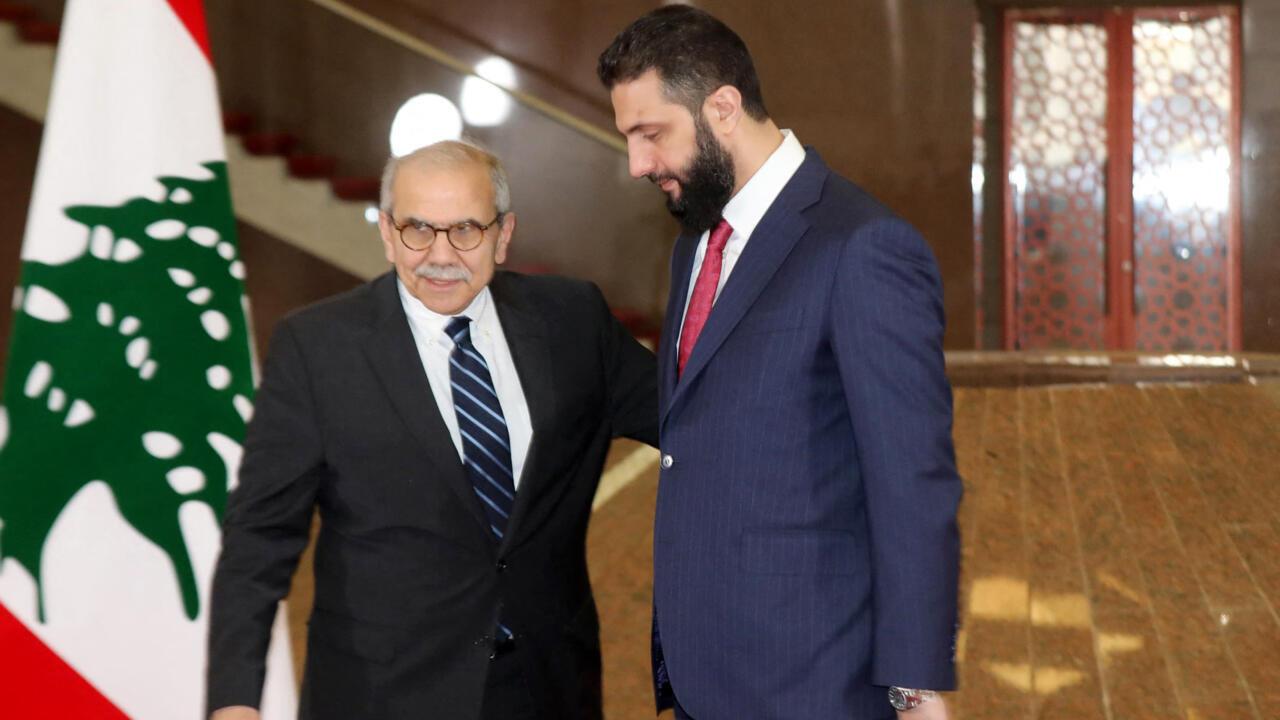
Nawaf Salam Meets Ahmed al-Sharaa in Damascus, Says Significant Progress on Security and Transport
24 sources compared

US Intelligence Says Mojtaba Khamenei Shapes Iran’s War Strategy and Negotiations With Washington
16 sources compared
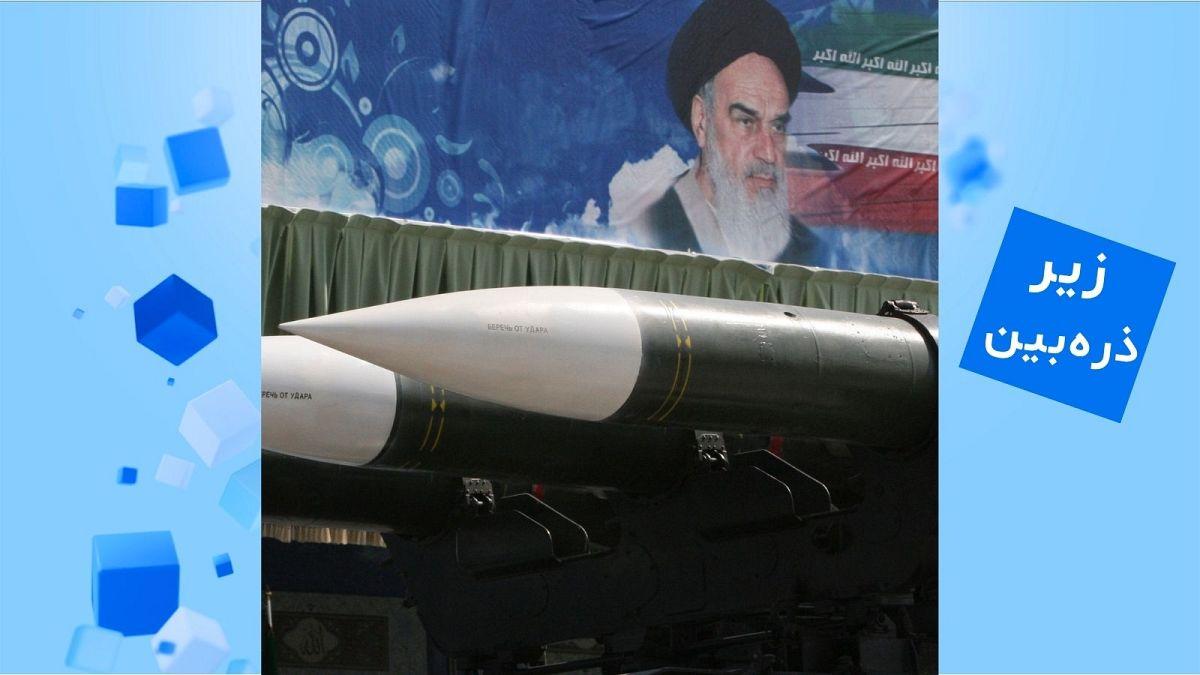
Joe Kent Says U.S. Intelligence Agreed Iran Was Not Developing Nuclear Weapons
12 sources compared
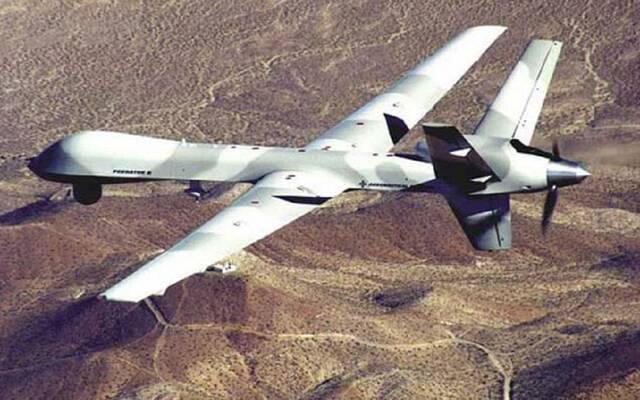
Marco Rubio Imposes Sanctions on Chinese Entities Accused of Supplying Iran Satellite Imagery
14 sources compared