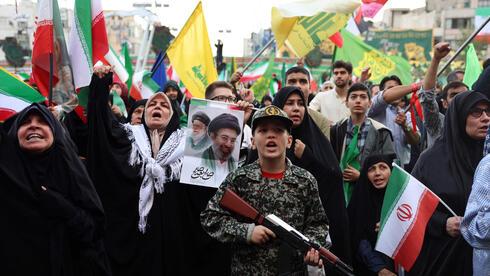
Marco Rubio Says U.S.-Iran Nuclear Deal Cannot Be Done on a Napkin
Key Takeaways
- Rubio says the Iran nuclear deal can't be done on a napkin; it's highly technical.
- Negotiations are ongoing and not fully completed, described as largely negotiated by some outlets.
- Gulf states reportedly back the deal, indicating broad regional support.
Deal talks stall
U.S. Secretary of State Marco Rubio said a nuclear agreement with Iran cannot be done “on the back of a napkin” and told The New York Times that “You can't do a nuclear thing in 72 hours on the back of a napkin,” after President Donald Trump instructed his negotiating team not to rush into an agreement with Iran.
The talks are centered on a memorandum of understanding that would start a 60-day ceasefire extension, with the Strait of Hormuz reopened and mines cleared, while the nuclear issue and enriched uranium stockpile remain largely under negotiation.

Axios described a draft in which both sides would sign an MOU lasting 60 days and, during that period, the Strait of Hormuz would be open with no tolls and Iran would clear the mines it deployed there, in exchange for the U.S. lifting its blockade on Iranian ports and issuing sanctions waivers.
The Jerusalem Post reported that Iran denied agreeing to give up any enriched uranium in a US ceasefire deal, saying it had not yet accepted any action on the nuclear issue and that the nuclear issue is not part of the preliminary agreement.
Competing claims and quotes
In the dispute over what the preliminary deal covers, The Jerusalem Post said a source told Reuters that Iran stated it had not yet accepted any action on the nuclear issue and that the nuclear issue is not part of the preliminary agreement.
Axios quoted a U.S. official saying, “If Hezbollah behaves, Israel will behave,” while also describing the draft MOU as ending the war between Israel and the Hezbollah terrorist group and allowing Israel to take action if Hezbollah tried to rearm or instigate attacks.
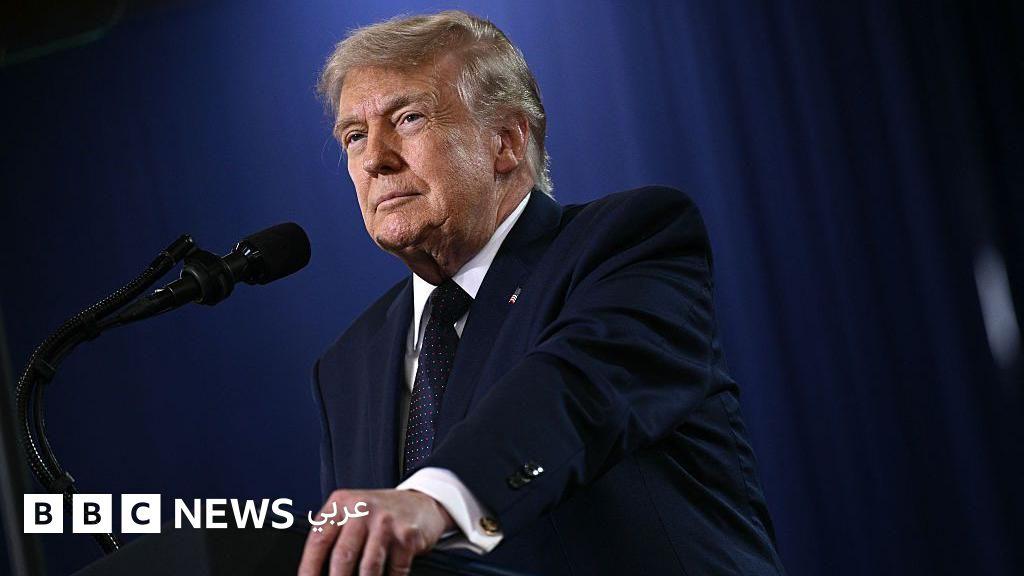
Rubio also said Washington had assembled diplomatic backing, saying “We have seven or eight countries in the region that are endorsing this approach,” and the remarks came as the conflict began in late February following U.S. and Israeli strikes.
The Times of India reported that Trump said a deal to end the war had been “largely negotiated,” while also noting that Iran has maintained that nuclear issues are not currently part of the immediate negotiations.
What’s at stake next
The draft framework described by Axios would avoid escalation and decrease pressure on the global oil supply by reopening the Strait of Hormuz, while also setting a timetable for negotiations over curbing Iran’s nuclear program during the 60-day ceasefire extension.
“Trump: Negotiations on the Iran deal have not been completed in full yet”
Reuters, as cited by CNBC, said a senior Iranian source told Reuters that Tehran has not agreed to hand over its highly enriched uranium stockpile and that the nuclear issue was not part of the preliminary agreement with the U.S., leaving the uranium dispute as a central obstacle.
The Jerusalem Post added that if the MOU is approved by Iran's supreme national council, it will be sent to Mojtaba Khamenei for final approval, and it described the reopening of the Strait of Hormuz as one important element of the deal.
In parallel, the BBC reported that Trump said negotiations “have not been completed in full yet,” while a senior American official said the White House does not expect to reach an agreement to end the war with Iran by Sunday because approval processes in Iran may take several days, including approval of Supreme Leader Mojtaba Khamenei.
More on Iran
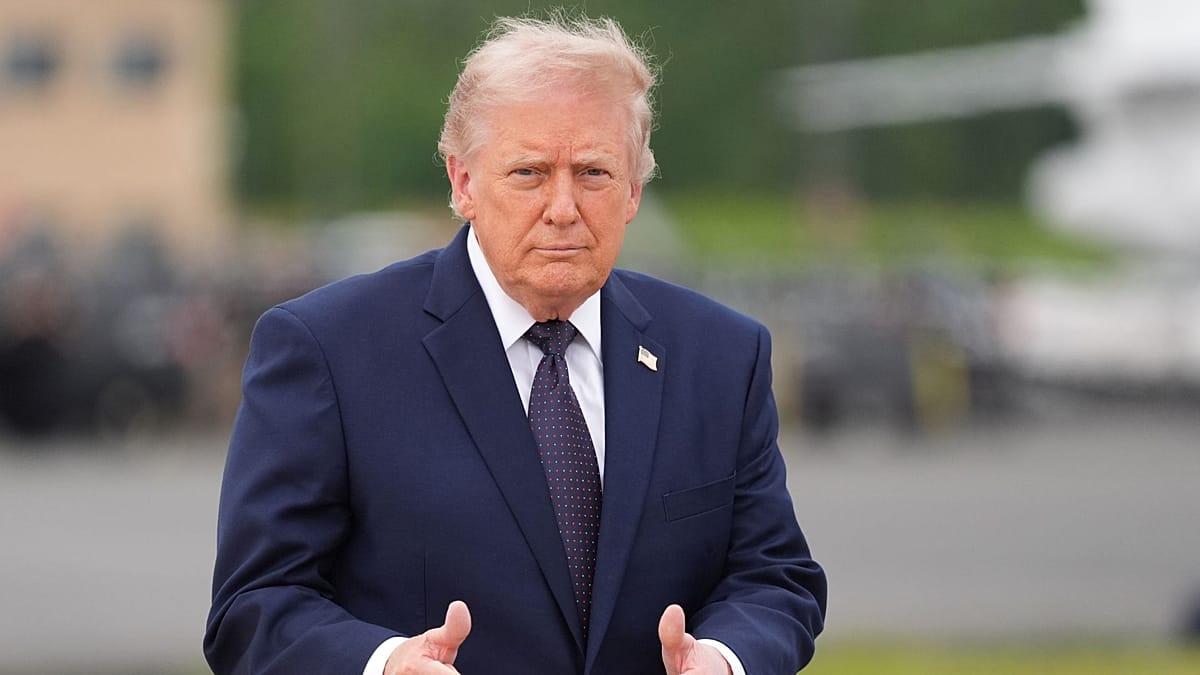
Donald Trump Says U.S. Iran Framework Extends Ceasefire 60 Days, Reopens Strait of Hormuz
21 sources compared

Donald Trump Tells U.S. Negotiators Not To Rush Iran Deal On 60-Day Ceasefire
38 sources compared

Trump Says US-Iran Deal Is Largely Negotiated, Framework Gives 60 Days
21 sources compared
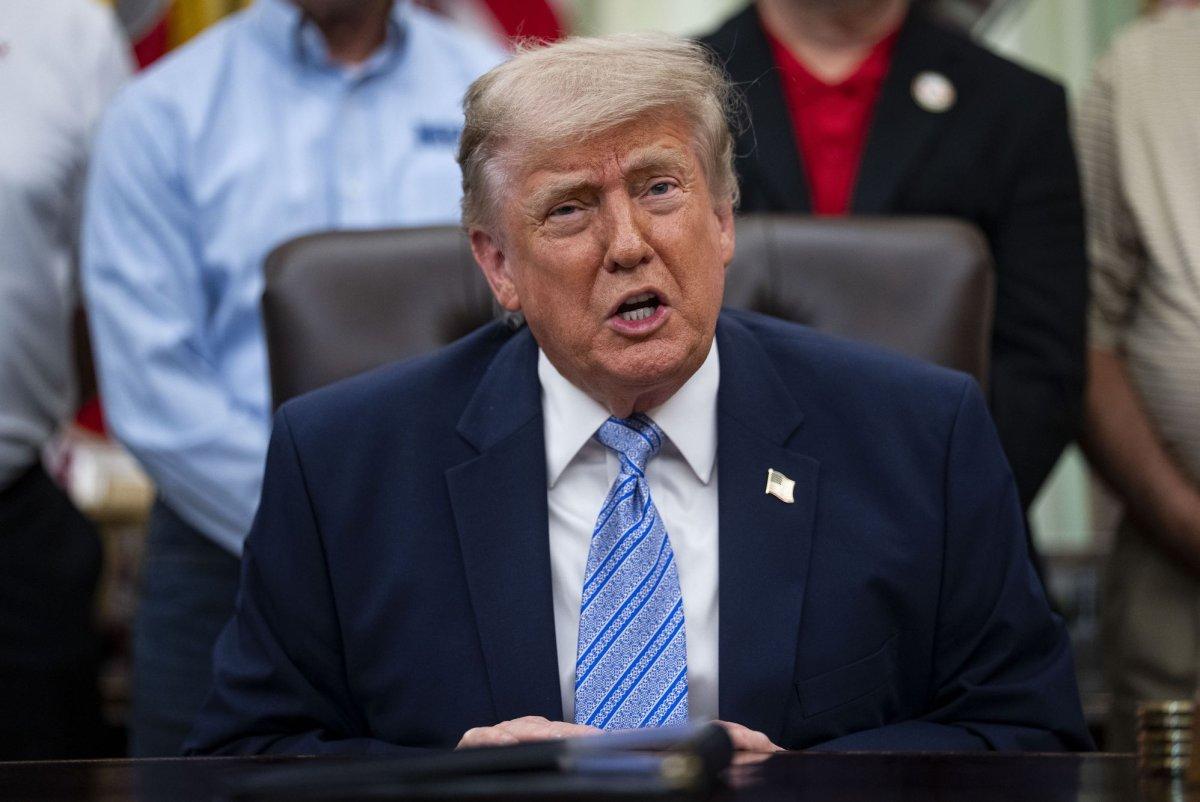
Donald Trump Says U.S. and Iran Have Largely Negotiated Deal to Reopen Strait of Hormuz
24 sources compared