South America11 December, 20253 min read
Maria Corina Machado Says U.S. Aided Her Secret Sea Escape From Maduro Regime
U.S. government aided her secret exit from Venezuela to reach Norway. She escaped via a dark nighttime boat crossing to Curaçao, then flew privately to Norway.
56 outlets told this the same way.
Outlets did split on Alexandre de Moraes Orders Eduardo Bolsonaro Arrest, Cancels Passport, Enforces Four-Year Sentence →
Machado's escape to Norway
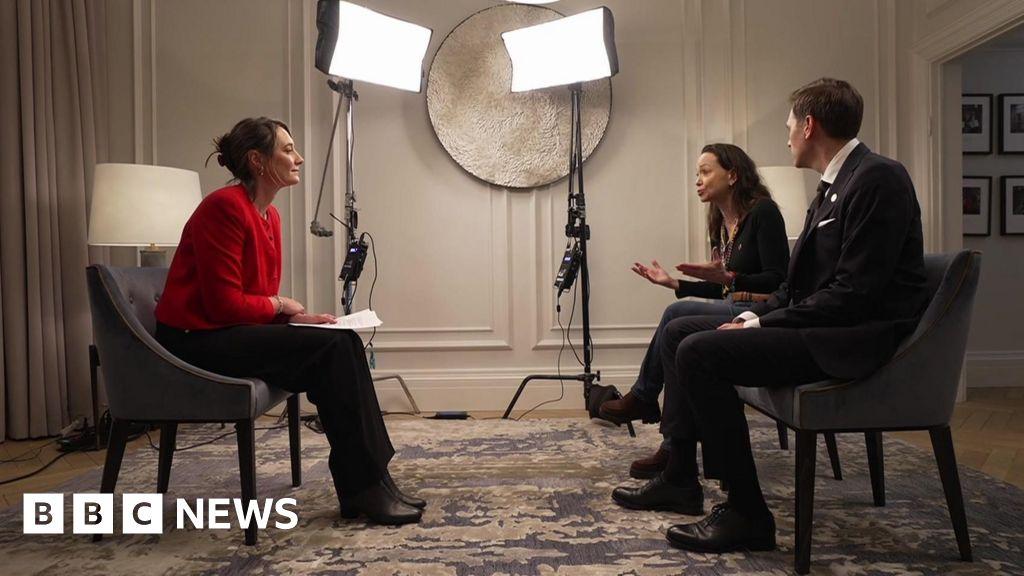
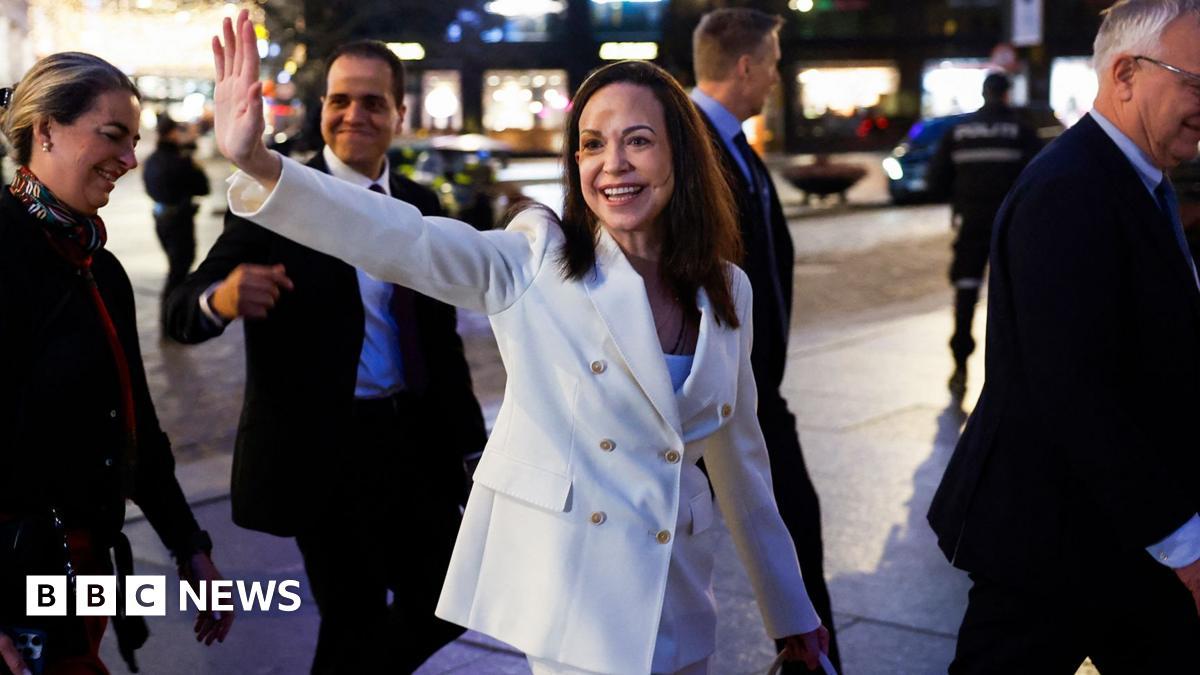
Venezuelan opposition leader María Corina Machado says she secretly escaped Venezuela with U.S. help and surfaced in Oslo after months in hiding. Multiple reports describe a clandestine maritime leg followed by an airlift to Norway. France 24 quotes a U.S. veteran who described the operation as involving “no lights, dark choppy seas and about a 13–14 hour boat ride.”
“She confirmed the United States helped her escape and reportedly first traveled by boat to Curaçao.”
Outlets such as Oman Observer and NBC News report Machado said the United States helped her travel from hiding in Venezuela to Norway so she could leave hiding and collect her award. Some sources (DW, Buenos Aires Times) add that she reportedly first traveled by boat to Curaçao before flying on to Oslo.

Machado on U.S.-Venezuela policy
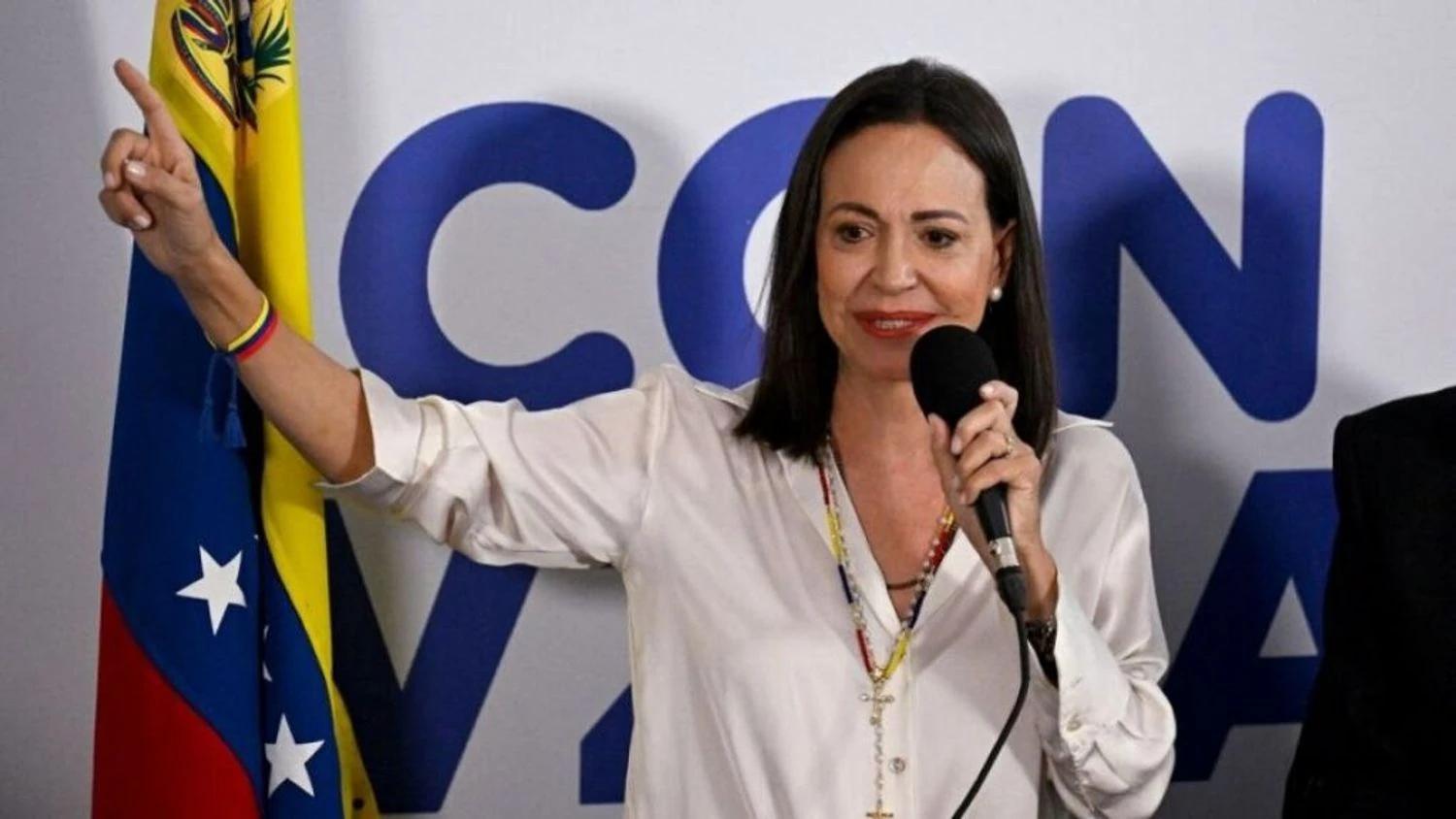
At her Oslo appearances, Machado praised recent U.S. pressure on Nicolás Maduro and credited President Donald Trump's actions with weakening the regime. She stopped short of explicitly calling for a U.S. invasion. NBC reported she credited President Donald Trump's 'decisive' actions for weakening Maduro, and Oman Observer noted she praised recent US actions in the Caribbean.
The Associated Press and other outlets said she stopped short of calling for U.S. military intervention. Several reports stressed critics who argue her close ties to Trump risk inviting foreign intervention. RTE.ie and other outlets noted that U.S. intelligence has questioned some hawkish claims about Maduro’s links to criminal networks.
Machado departure reports
Reporting differs sharply on the exact logistics and timing of Machado's departure. France 24 relays an account that the sea leg was a 13-14 hour boat ride and that the plan had been arranged just four days earlier. ABC News cites flight-tracking data suggesting the private plane came from Bangor, Maine.
“According to reports she used a disguise and traveled from a Caracas suburb by skiff to Curaçao before taking a private jet to Norway; U.S. military authorities were informed so the boat would not be targeted.”
The Telegraph and Gulf News include accounts that point to a longer, more complex extraction. The Telegraph describes a two-month extraction carried out with U.S. assistance and a private contractor reportedly supplied by the Trump administration.
Gulf News cites Bloomberg reporting possible help from members of Maduro's regime. Other reports (CNN, DW, Buenos Aires Times) say she crossed to Curaçao by boat then flew on to Oslo, but they caution that details remain unconfirmed.
Reactions and legal fallout
Venezuelan authorities warn Machado would be considered a fugitive if she left the country. President Maduro has accused the United States of involvement in the incident. Norway and the Nobel Committee have lauded her struggle and hosted her appearances in Oslo.
Several media outlets noted the divergent coverage and said U.S. outlets, including NBC, have contacted the White House for comment. Outlets such as NPR and Fox News placed the escape amid an intensified U.S. military posture in the Caribbean and reports of strikes and a seized tanker. These competing narratives underscore why reactions are fraught and politically charged.
Machado's political situation
Machado was barred from running after winning the opposition primary, went into hiding amid arrests and repression, and vowed to return despite the risks. News outlets present that narrative with differing emphases. Multiple outlets report she was barred from running and that Edmundo González either replaced her or fled (Associated Press, ABC News, The Independent).
“The Nobel committee honored Machado for mounting a serious, peaceful challenge to Nicolás Maduro’s government.”
The Nobel Committee honoured Machado for a "serious, peaceful challenge to Nicolás Maduro’s government" (NPR/ITVX). Critics say her closeness to Trump and hawkish figures complicates her international standing. Observers warn prolonged exile risks eroding her influence even as supporters hail her courage and vow to press for democratic change.