Marine Heatwave Spreads Across Pacific, Driving Weather Chaos From Philippines to Peru
Key Takeaways
- Massive marine heatwave spans from the Philippines to Peru across the North Pacific.
- Could trigger months-long weather chaos with global ripple effects.
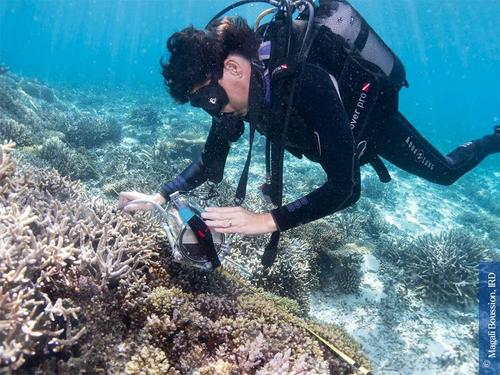
- North Pacific overheating threatens marine life, including whales, and ecosystems.
Pacific heatwave spreads
A massive marine heatwave in the Pacific Ocean may cause weather chaos for months across the U.S., according to a report cited by The Independent.
“MaHeWa: Heat waves and shock waves in the marine ecosystems of the South Pacific”
The heatwave covers about 13.5 percent of Earth’s total surface, from the Philippines to Peru and north toward the coasts of Hawaii and California, and it formed after two smaller heatwaves in the North Pacific and along the equator combined.
Climate scientist Dillon Amaya told The Washington Post, “Months and months of warmth could mean stark impacts this winter and next spring,” as the report also linked the marine heatwave to a super typhoon in the western Pacific Ocean and a heat dome in the western U.S. expected in mid-July.
The Independent said Typhoon Bavi will pass by the Northern Mariana Islands on Monday and could bring potential destruction to Taiwan and China later this week.
It added that thunderstorms caused by the heatwave may also start a heat dome over the western portion of the U.S. later this month, while climate scientist Daniel Swain said the warm Pacific waters may cause sea levels to rise in California.
What scientists warn
The Independent framed the marine heatwave as a potential driver of broader disruptions, noting that marine heatwaves are “periods of prolonged abnormally warm ocean temperatures” and that the unusually warm waters may be “a sign of worse weather ahead.”
Climate scientist Daniel Swain said, “This is the time for local governments, for county governments and for the state government to start to prepare for a significant likelihood of much higher than average sea levels,” and he tied that to “more disruptive coastal flooding and potentially record-breaking coastal water levels during winter storm events and king tide events.”
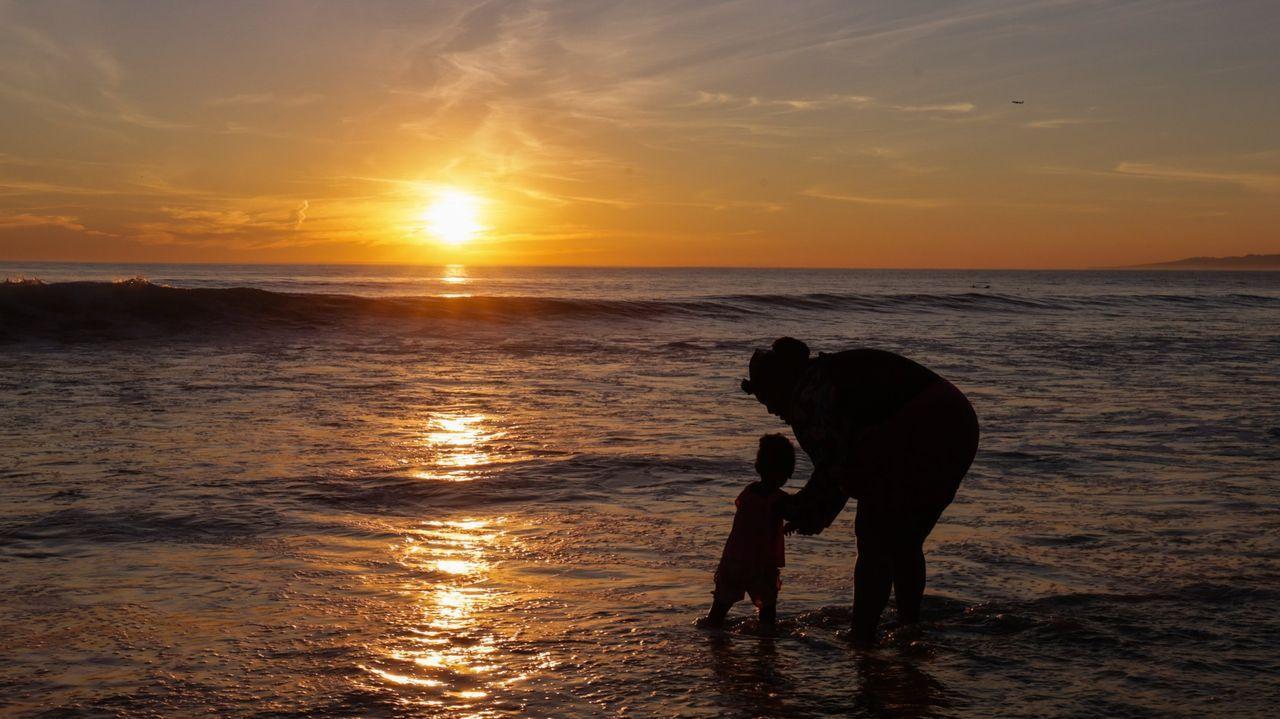
In California, La Voz de Galicia said NOAA described the event as “the largest extent of a marine heat wave in the northeastern Pacific region since observations began in 1982.”
The same article reported that the anomalies reach between 2.5 and 3.5 degrees Celsius above normal and quoted Daniel Swain saying, “Increases of only 3 to 5 degrees already define a marine heat wave, and values of 5 to 7 degrees place the phenomenon at extreme levels.”
Marine life and research
Le Monde.fr reported that humpback whales in the North Pacific are being victimized by marine heat waves, citing an article published Wednesday, February 28 in the journal Royal Society Open Science.
“Harpooned for centuries, threatened by industrial whaling, humpback whales enjoyed a period of relative calm to rebuild their population”
It said a study led by Australian scientist Ted Cheeseman estimated the species’ population across the ocean basin from 2002 to 2021 and found that between 2012 and 2021, “the number of humpback whales in this area fell by 20%, from about 33,000 individuals to 26,000.”
To reach those results, the team of 75 researchers used AI-powered software to review more than 160,000 photos stored in scientists’ catalogs, and Olivier Adam said, “We could never have imagined being able to process such a database without artificial intelligence.”
In France’s research on marine heat waves, Agence nationale de la recherche described the MaHeWa project as launched in November 2024 and said it engages in multidisciplinary research within French overseas territories including New Caledonia, Wallis and Futuna, and French Polynesia.
The same source said MaHeWa is designed to help forecast, quantify, and measure impacts, and it quoted Sophie Cravatte saying the term “marine heat wave” was used for the first time in 2013 to describe an unprecedented episode off the west of Australia.
More on Technology and Science
New Jersey Officials Attribute 19 Heat Wave Deaths, Power Outages Hit Nearly 1 Million
17 sources compared

Trump Delivers July Fourth Speech After Severe Weather Evacuates National Mall for America’s 250th
10 sources compared
Australian Space Agency Investigates Six Metallic Spheres Found on Forrest Beach, Queensland
16 sources compared

Midjourney Asks Federal Court To Compel Disney, Universal, Warner Bros. To Disclose AI Training
10 sources compared