Europe06 July, 20263 min read
Mark Rutte Tells NATO Leaders In Ankara To Present Credible Plans For 5% Defence Spending By 2035
Rutte urged allies to present clear, concrete, credible plans to reach 5% defence by 2035. Allies expected to present 5% by 2035 plans, with billions more in defence contracts.

Ankara summit spending push
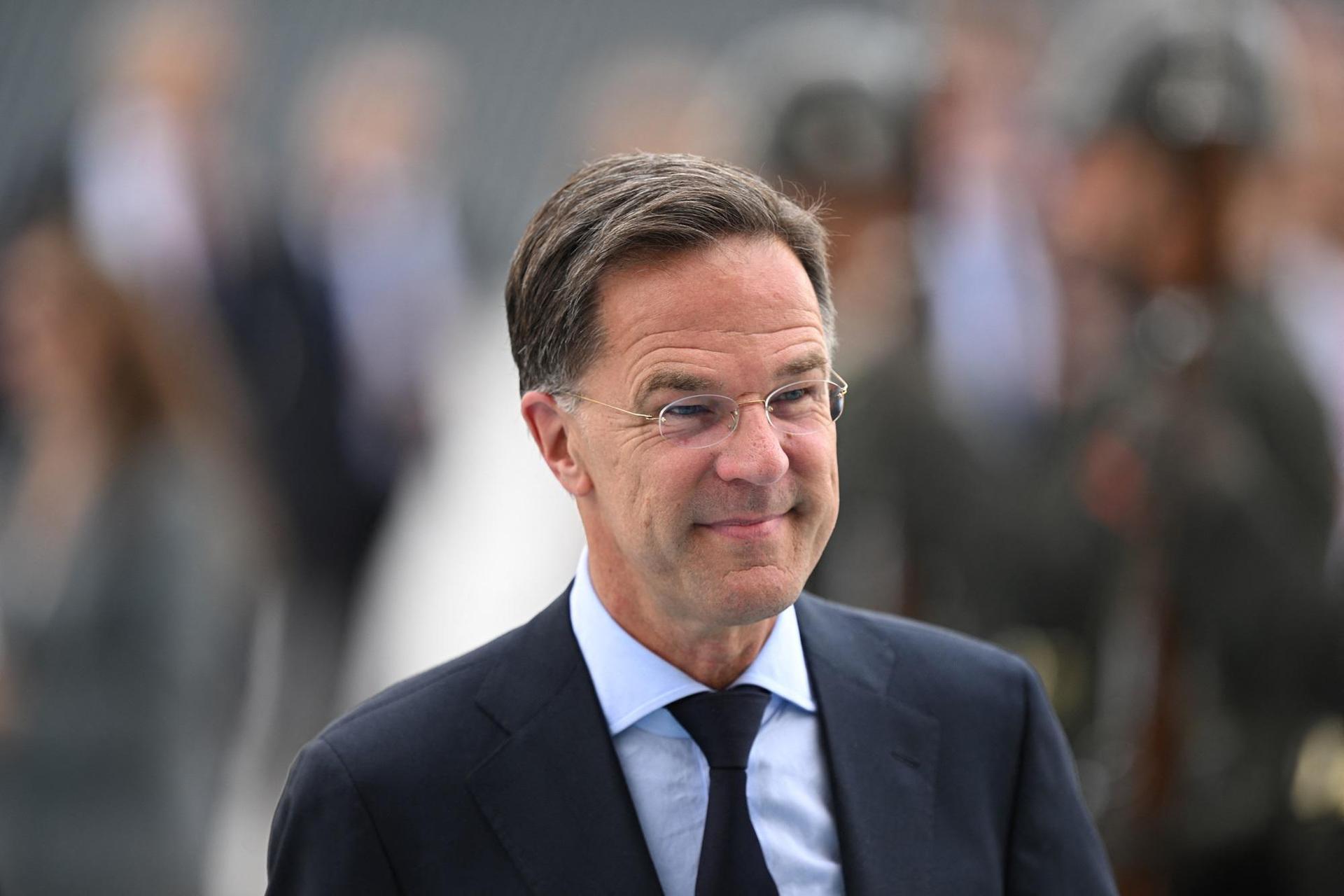
NATO Secretary General Mark Rutte told reporters that leaders gathering for the NATO Summit in Ankara are expected to present "clear, concrete and credible" plans to meet the alliance's target of spending five per cent of GDP on defence by 2035. Rutte said the commitments made at last year's summit in The Hague are already producing results, adding that "European Allies and Canada are already investing around 4% of their GDP in defence and security." He said European allies and Canada spent nearly 20 per cent more on core defence last year than in the previous year, amounting to an additional USD 258 billion in defence investments across 2025 and 2026.
Rutte also stressed that support for Ukraine would remain a key focus of the summit, saying "Kyivcontinues to face sustained Russian missile and drone attacks" and that allies must keep ensuring Ukraine gets what it needs. The summit brings together leaders of NATO's 32 member states along with partners from Ukraine, the European Union, the Indo-Pacific and the Gulf region, as Rutte previewed the agenda in Ankara.
Germany’s budget and NATO pressure
Germany's rearmament drive is set to be reflected in a draft budget approved by Chancellor Friedrich Merz's cabinet, allocating one in every five euros of federal expenditure in 2027 to defense. The German Finance Minister Lars Klingbeil said in Berlin, "We cannot defend ourselves against Putin with a balanced budget," as the 2027 plan totals €555.4 billion and sets defense at €109.7 billion, or around 20 percent. Politico.eu reported that by the end of the decade Germany's defense expenditure is projected to rise to account for nearly one-third of federal spending as Merz's government races to meet NATO's 5 percent target.
Rutte, meanwhile, demanded that allies put forward "clear, concrete and credible plans" to reach NATO's spending targets at the annual summit in Ankara, warning that those who do not step up would face consequences. Asked what would happen to allies without a clear plan, Rutte said, "If one or two of still have to be convinced, we have ways to do that," ahead of the two-day summit starting on Tuesday.

From spending to capabilities
NATO Secretary General Mark Rutte said the alliance needs to translate increased spending into military capabilities by strengthening defence industries, boosting innovation and cutting bureaucratic hurdles, and he said, "We will announce tens of billions in new contracts" to deter and defend. Euronews reported that European governments hope to ease Donald Trump’s anger with record defence spending announcements worth billions of euros, as Rutte is set to herald the summit in Ankara as consequential for Europe and Canada. The Euronews report said the spectre of US disengagement from European security looms large, while it described the shift toward "NATO 3.0" and the need to transform Europe's historic spending into capabilities suited to modern warfare and security.
In parallel, France 24 said NATO members' military spending jumped by 20% in 2025, with the 32 NATO member countries investing a total of $574 billion in defense, a real-terms increase of 20% relative to 2024. Rutte told the BBC that "the United States remains the principal guarantor of NATO members’ capabilities," and BBC analysis said Europe would struggle to fill gaps in strategic transport, intelligence, surveillance and reconnaissance, as well as missile defense systems if the US withdrew.