Europe13 December, 20252 min read
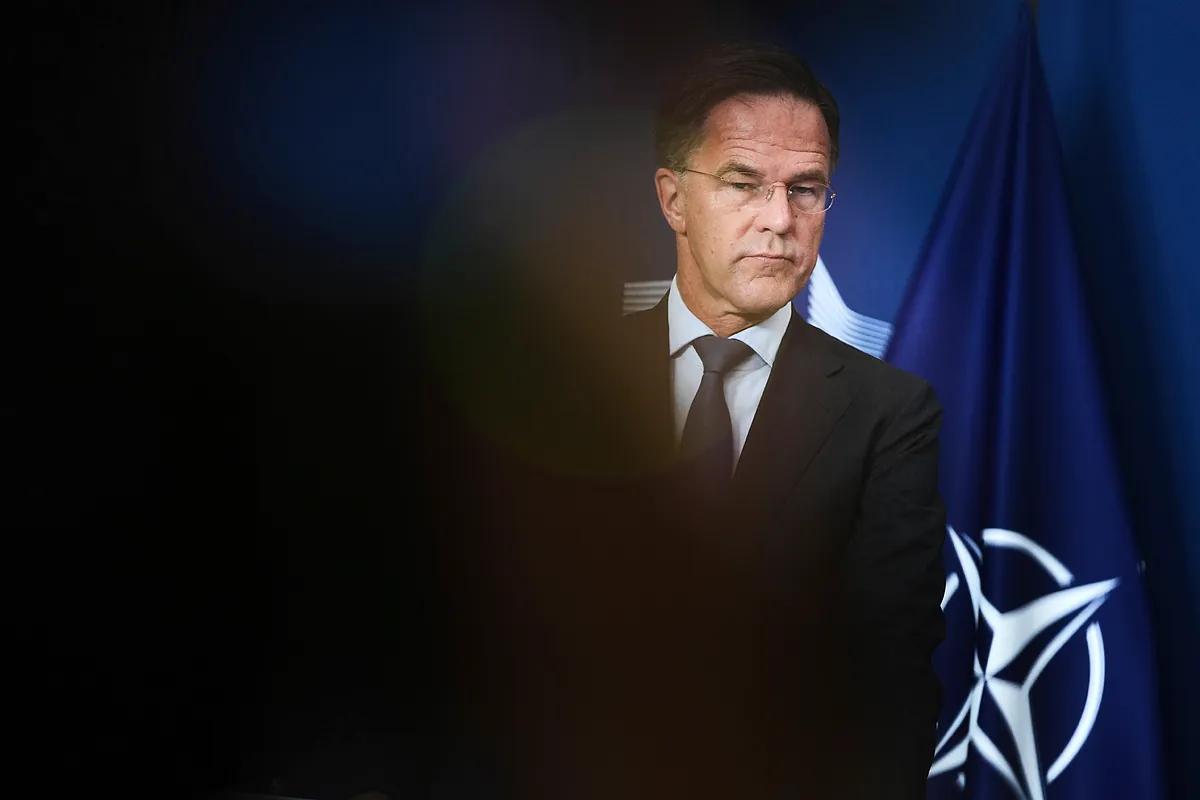
Mark Rutte Urges NATO to Prepare for World War With Russia
Mark Rutte warned Europe is Russia's next target, likening potential conflict to world wars. Rutte urged NATO members to increase military preparedness across Europe, the Atlantic, and the Arctic.
10 outlets told this the same way.
Outlets did split on Marco Rubio Urges Europe To Awaken From Slumber In Athens Speech →
Warnings of war in Europe
Dutch Prime Minister Mark Rutte urged NATO and European governments to prepare for the possibility of a large-scale war with Russia, framing the situation as an urgent continental threat. Politico reports Rutte and British military figures warning that 'the shadow of war is knocking on Europe's door'.
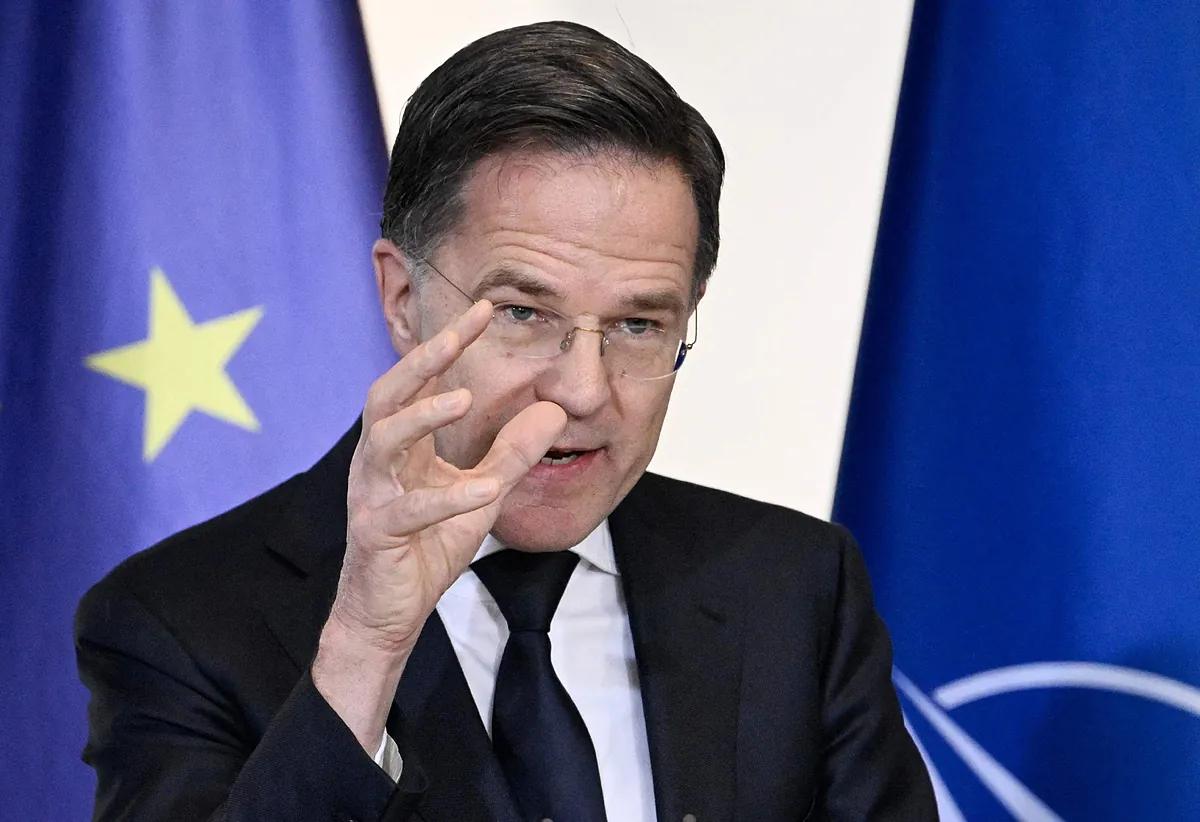
El Mundo America quotes Rutte saying Europe is 'the next target of Russia' and suggesting a potential timeline of up to five years for an attack. CPG Click Petróleo e Gás summarizes that Rutte warned Europe must prepare for a large-scale, prolonged conflict on the scale of past world wars, underscoring alarm at the alliance level.
UK military intelligence reforms
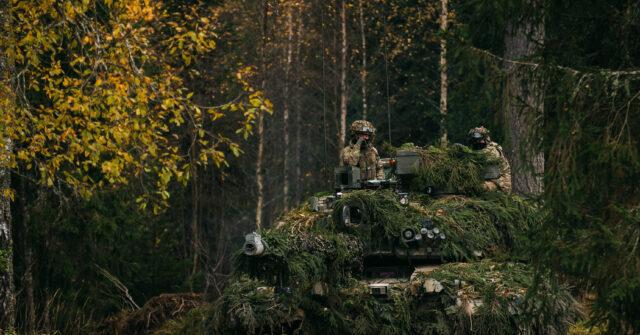
In the United Kingdom, officials are translating the warnings into concrete institutional changes. Politico reports the launch of a unified Military Intelligence Service (MIS), which will consolidate Navy, Army and RAF intelligence units and says hostile intelligence activity targeting UK forces and assets has risen by more than 50% over the last year, prompting faster information-sharing and the creation of a Defence Counter-Intelligence Unit. Thecanary.co cites former US/UK official Carns urging Britain to mobilize the whole of society and says the Ministry of Defence and Cabinet Office are developing a 'whole-of-society' plan.
NATO warnings on warfare
NATO leaders are warning about the evolving character of warfare and the need for more than short-term fixes.
CPG Click Petróleo e Gás warns against treating the Ukraine war as a distant problem and highlights hybrid tactics such as cyberattacks, sabotage, disinformation and drone incidents that NATO is planning to counter.
Politico and El Mundo America say leaders want faster spending and modernization.
Some outlets underline the human stakes, with Breitbart summarizing potential consequences as 'Destruction, mass mobilisation, millions displaced. Widespread suffering and extreme losses', a stark reminder of the civilian toll if broader conflict erupts.
Media coverage and tone
Not all reporting treats official warnings as fully persuasive. Thecanary.co’s narration ends with explicit skepticism, saying the whole-of-society plan’s realism and convincingness are questioned. The Independent’s terse line—"That’s the reality."—conveys blunt acceptance without elaboration.
Sections of the Hindustan Times homepage indicate the story sat alongside many trending headlines, suggesting it had lower prominence. The Hindustan Times notes the paste was "a website navigation/homepage dump" listing topics such as a "UK minister’s comment about British citizens fighting in Europe", which reflects varied editorial contexts and degrees of prominence across outlets.
Signals and risks in Ukraine
Conflicting public signals from Moscow, plus diplomatic efforts that have so far failed, add to uncertainty over the Ukraine war. CPG Click Petróleo e Gás records both Kremlin threats and denials, quoting a reported Putin line — 'If Europe wants to fight a war, we are ready now' — while also noting official Kremlin statements denying intent to attack NATO. CPG says NATO planners have discussed 'preventive strikes,' a phrase that angered Moscow.
CPG and El Mundo America say Russia is rebuilding its forces and that some assessments see a three- to five-year risk of nuclear confrontation. CPG also reported that a US envoy’s revised peace plan demanded territorial concessions, which Kyiv rejected.