Full Analysis Summary
Iran protests, international appeals
Iranian activist and journalist Masih Alinejad publicly urged the international community to support nationwide protests in Iran as they reached their twelfth day, according to lokmattimes.
The report quotes Alinejad telling Fox News that the people do not want this regime and warning that Iranians will not allow reformists to take power, framing the unrest as a popular rejection of the current government.
The snippet also notes her media outreach and calls for external help to restore internet access, highlighting an emphasis on international intervention and solidarity.
However, the limited CNN text available does not provide a full article to corroborate or expand these claims beyond indicating Alinejad's media presence on CNN's The Lead.
Coverage Differences
Omission / Coverage
lokmattimes (Asian) provides specific claims, quotes, and calls to international figures about the protests and Alinejad’s appeals; the available CNN (Western Mainstream) snippet lacks substantive article content and only notes Alinejad joining CNN’s The Lead, meaning it does not corroborate lokmattimes’ detailed reporting.
Alinejad's public appeals
Lokmattimes reports that Alinejad criticized government-imposed internet shutdowns during the unrest and publicly appealed to tech figures, naming Elon Musk, to help restore connectivity, arguing that communication access is crucial for protesters and international coverage.
She also directly called on former U.S. President Donald Trump and the wider international community to assist Iranians in moving toward a secular democracy.
These appeals and named targets shape Lokmattimes' narrative that Alinejad is seeking concrete external support rather than relying solely on internal reforms, while a partial CNN snippet does not include such demands and therefore cannot confirm them.
Coverage Differences
Narrative / Tone
lokmattimes (Asian) frames Alinejad’s messages as urgent direct appeals to international actors and tech leaders, quoting her requests to Elon Musk and Donald Trump; CNN (Western Mainstream) — in the available text — is limited to noting Alinejad’s media role and lacks that advocacy detail, creating a gap between a hands-on activist narrative and a media-profile note.
Reporting on Iranian protests
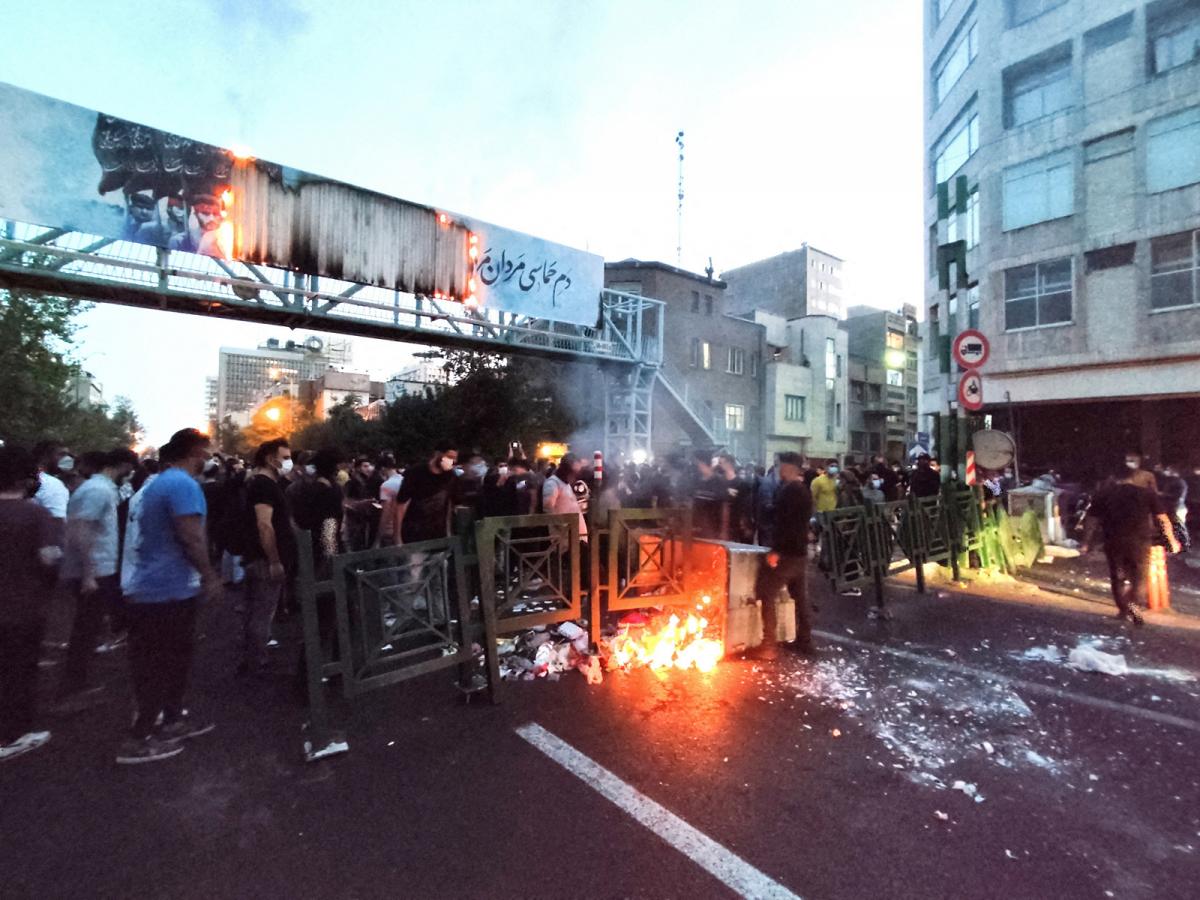
According to lokmattimes, the demonstrations — described as driven in part by a deepening economic crisis — expanded to multiple cities despite stern government warnings, with reports of fires in Tehran and large marches in Borujerd, Arsanjan and Gilan-e Gharb.
That account situates Alinejad's appeals within a wider, sustained national uprising rather than a localized protest.
The CNN text at hand does not supply additional on-the-ground reporting or corroboration of these specific city-level incidents or the economic framing.
Coverage Differences
Content Detail / Omission
lokmattimes (Asian) provides city-level details and causal framing (economic crisis) about the protests; the available CNN (Western Mainstream) excerpt provides no such situational detail and therefore omits the scale and drivers reported by lokmattimes.
Coverage and verification limits
Limitations and ambiguities are clear: the available CNN snippet does not provide a full report and therefore cannot verify or challenge lokmattimes' specific claims about Alinejad's appeals, the protests' scope, or named appeals to Elon Musk and Donald Trump.
Because only these two source snippets were provided, cross-source corroboration is limited; the main difference in coverage is that lokmattimes delivers a detailed activist-centered account while CNN's visible text is a media-note profile, not a substantive news article on the protests.
Additional primary reporting or fuller articles from other outlets would be needed to confirm details and provide broader perspective.
Coverage Differences
Omission / Need for Corroboration
The crucial discrepancy is that lokmattimes (Asian) gives concrete claims and quotes about the protests and Alinejad’s appeals; the available CNN (Western Mainstream) text is insufficient and therefore presents a gap that prevents verification — this is an omission rather than a direct contradiction.