Other03 February, 20262 min read
Masked Gunmen Assassinate Saif al-Islam Gaddafi at His Zintan Home
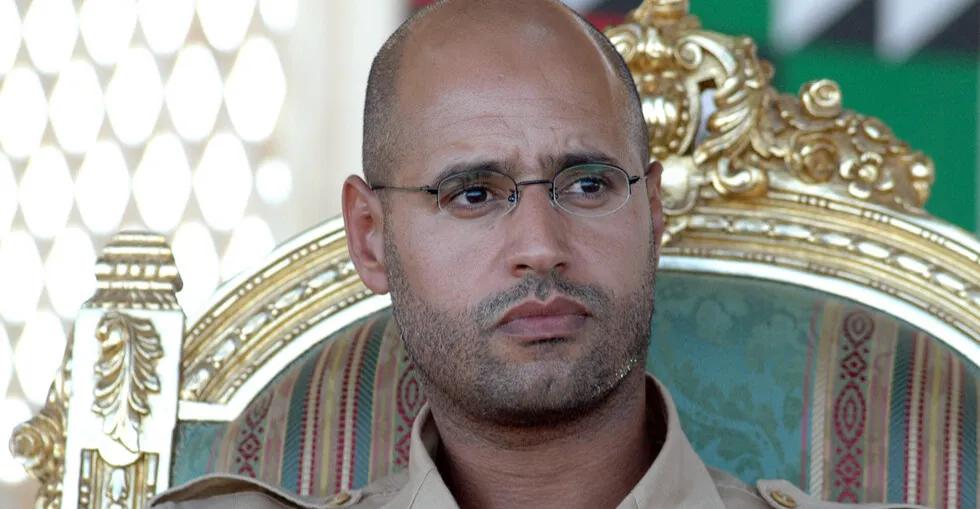
Saif al-Islam Gaddafi, 53, was shot dead at his home in Zintan. Four masked gunmen reportedly stormed his residence and disabled surveillance cameras before shooting him.
76 outlets told this the same way.
Killing of Saif al-Islam
Masked gunmen reportedly killed Saif al-Islam Gaddafi at his home in Zintan in early February 2026, according to his political team, family members and multiple international outlets. Reports across CNN, The Guardian and The Independent say four masked assailants stormed the residence, disabled surveillance cameras and shot him; his team described the attack as a 'cowardly and treacherous assassination'. Several outlets report that the attackers fled the scene and no group had immediately claimed responsibility.
“Saif al-Islam Gadhafi, 53, was reportedly killed at his home in Zintan, northwestern Libya, after four masked assailants allegedly stormed the residence, disabled security cameras and fatally shot him, his political team said.”
Investigation into Libyan killing
Libyan prosecutors and forensic teams are investigating the killing. Initial forensic statements cited multiple gunshot wounds. Prosecutors opened a criminal investigation to identify the perpetrators, the attorney general's office said, as reported by AFP and others.
Several outlets — BBC, Al Jazeera and The New Arab — emphasized formal investigative steps and forensic confirmation that he died of gunshot wounds. Political figures and local officials called for transparent inquiries.

Conflicting death accounts
Accounts of how and where Saif al-Islam died vary between sources, creating clear discrepancies in the immediate narrative. Several outlets — The Independent, The Guardian, The Daily Beast and Geo News — report that masked gunmen disabled CCTV, stormed his garden or compound, and shot him during a confrontation.
“Saif al-Islam Gaddafi... was shot dead on Tuesday when ‘four masked men’ stormed his home in the northwestern town of Zintan, reports say.”
By contrast, his sister is quoted in BBC and other outlets saying he died near the Algerian border. Il Sole 24 ORE and SFG Media report conflicting versions that suggest either an execution inside the compound or broader fighting in the surrounding area after the attack.
Saif al‑Islam coverage
Saif al‑Islam’s background — Western education, role in Libya’s pre‑2011 diplomacy, capture in 2011, ICC arrest warrant, 2015 death sentence in absentia, release under amnesty in 2017 and a controversial 2021 presidential bid — is consistently reported across outlets, but the tone of coverage differs. Many Western mainstream outlets (BBC, The Guardian, The Globe and Mail) and West Asian outlets (Al Jazeera, The New Arab) stress his ICC warrant and 2011-era accusations.
Other outlets, including some African and regional sources, emphasise his earlier role in rebuilding ties with the West and his reformist image prior to 2011. These different emphases shape whether coverage frames him primarily as a would-be reformer turned controversial figure or primarily as an accused war criminal.

Impact of Saif's killing
Analysts and regional outlets warn Saif's killing could further destabilise Libya's fractured political landscape and fuel rival narratives. Some outlets (The Straits Times, The New Arab, Central News South Africa) say his death may be used to galvanise supporters and cast him as a martyr.
“Observers warned his killing could have major political consequences, potentially casting him as a martyr and reshaping electoral dynamics; former Gaddafi spokesman Moussa Ibrahim called the act ‘treacherous.’”
Other outlets (Il Sole 24 ORE, The Tanzania Times) note unverified social-media accusations against specific brigades and warn of possible reprisals or broader clashes. Across the board, reporting stresses that motives and perpetrators remain unconfirmed and that the killing comes amid Libya's ongoing fragmentation between rival administrations and militias.
