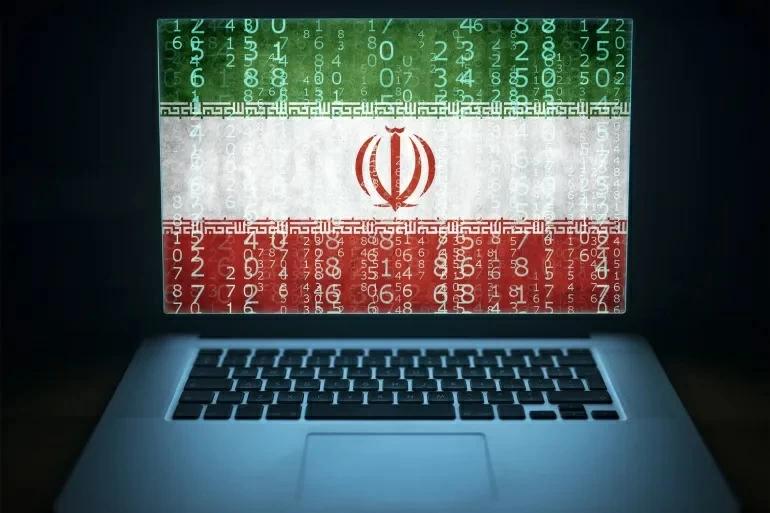
Masoud Pezeshkian Orders Iran’s International Internet Access Reopened After 87-Day Blackout
Key Takeaways
- President Masoud Pezeshkian ordered restoration of international internet access.
- Outage lasted about 87 days before restoration.
- State media reported the order; reconnection mechanism remained unclear.
Pezeshkian Orders Reconnect
Iran’s President Masoud Pezeshkian ordered the reopening of international internet access, with Iranian state media citing the head of public relations at Iran’s Communications Ministry.
The order came after a near-90-day blackout since the start of the war against the United States and Israel, and NetBlocks said most Iranians had been without access to the World Wide Web for 87 days.

The report said the mechanism for how and when Iran would reconnect to the global web after the decision was unknown, and no specific date for lifting the blockade had been announced.
In the same account, authorities initially imposed an internet blackout from January 8 in response to anti-government protests, with connections gradually getting back to normal in February before a new blackout began after U.S. and Israeli strikes against Iran on February 28.
The state officially justified the shutdown by citing security concerns, while the report said the roughly 90 million Iranians could only use a so-called “national internet” with access limited to state-approved websites.
Deal Talks and Limits
As Pezeshkian’s internet order was reported, Il Sole 24 ORE said Iranian Foreign Minister Abbas Araghchi would not attend the UN Security Council meeting in New York due to visa problems on the US side.
Il Sole 24 ORE also quoted Foreign Ministry spokesman Esmail Baghaei in Tehran, saying, "It is correct to say that we have reached a conclusion on most of the issues under discussion," while adding, "But to say that this means that the signing of an agreement is imminent is an assertion that no one can make."

The same report described a memorandum of understanding that reportedly included a 60-day extension of the ceasefire, the reopening of the Strait of Hormuz, and a plan for further negotiations on Iran’s nuclear programme.
It further said Tehran had reportedly expressed readiness to remove highly enriched uranium from its territory on condition that it is handed over to China, while the known terms of the deal were said to have divided Donald Trump’s Republicans.
In parallel, DW’s roundup said Iran has poured cold water on US claims that an agreement to end the conflict is near, even as it reported that exchanges between Washington and Tehran continued.
Restoration, Doubts, and Stakes
While multiple outlets reported the internet restoration order, Il Sole 24 ORE said the Iranian President, Masoud Pezeshkian, ordered the Ministry of Communications to restore access to the network to pre-January levels.
It added that ministry sources said full access would be restored without the restrictions and filters limiting connection to foreign sites and platforms, but Fars news agency said the decision raised doubts because the restrictions were decided by the Supreme National Security Council.
The Nightly similarly reported that the order was to restore access to international websites and platforms after a near 90-day blackout, citing an official at Iran’s Communications Ministry.
The Nightly also reiterated that most Iranians had been unable to access the World Wide Web for 87 days, with only a few citizens having access to expensive and advanced VPNs that circumvent the restrictions.
In the same broader context, www.edenmagnet.au said the shutdown had major economic consequences, reporting that more than a million online traders in the country were badly affected with their income severely restricted by the blockade.
More on Iran
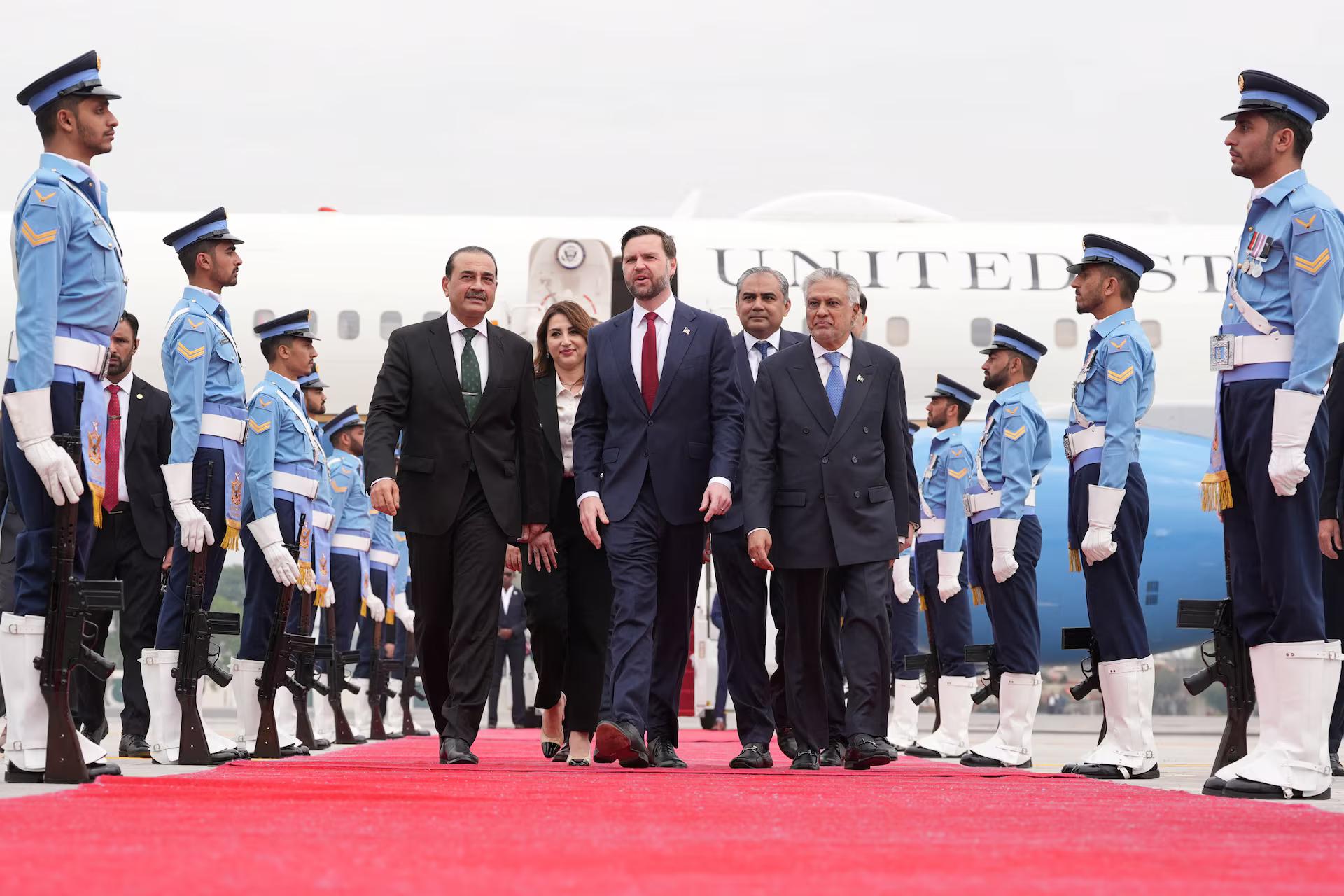
Iranian Officials Continue Talks in Qatar as Trump Demands Abraham Accords and Rejects Uranium Deal
13 sources compared
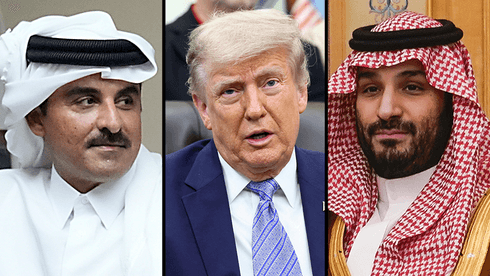
Donald Trump Demands Saudi Arabia And Pakistan Join Abraham Accords In Iran Deal
20 sources compared

Trump Halts Planned Attack on Iran After Qatar, Saudi, UAE Request Delay
13 sources compared
Iran’s Top Negotiators Arrive in Qatar as Trump Signals Mixed Iran Deal Prospects
13 sources compared